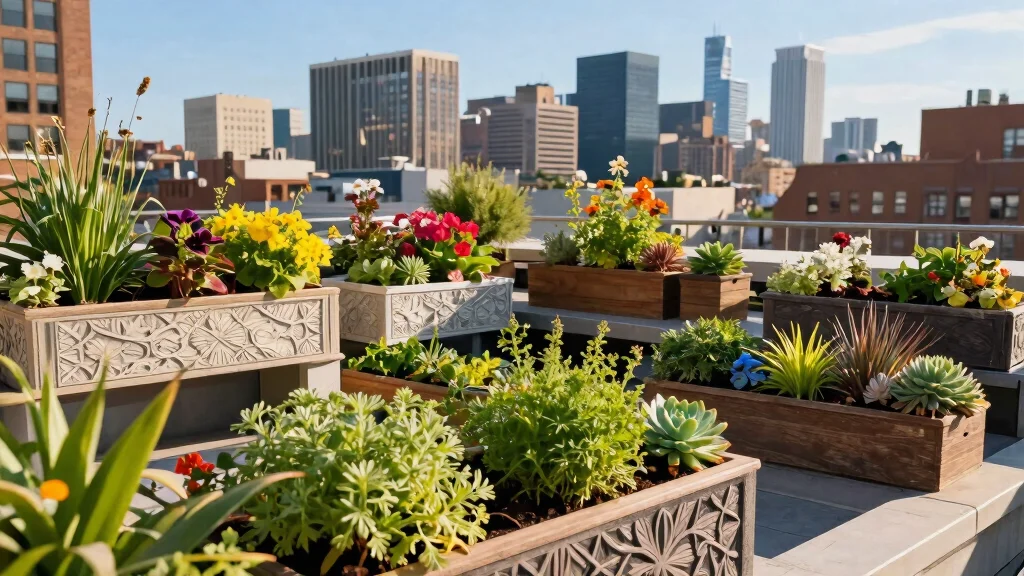
Urban living can sometimes feel restrictive, especially when you crave nature and greenery. That’s why I put together this post on rooftop planters. These clever gardening solutions can transform your urban space into a vibrant sky garden, allowing you to reconnect with nature right from your rooftop. The idea of enjoying fresh herbs or colorful flowers while sipping your morning coffee on your balcony or terrace is simply delightful.
If you’re someone who loves gardening but feels limited by space, this guide is for you. Whether you’re an experienced gardener or just getting started, rooftop planters offer a unique way to explore urban gardening, container gardening, and vertical gardening. You’ll discover practical and creative ways to utilize your rooftop space, making it both eco-friendly and enjoyable.
In this post, I’ve gathered seven inspiring rooftop planter ideas that are stylish, functional, and perfect for small space gardening. From vertical herb walls to recycled container planters, you’ll find tips and tricks to create your own sky garden, no matter how small your urban dwelling may be.
Key Takeaways
– Elevate your space: Rooftop planters maximize limited space, offering you the chance to grow a variety of plants in a compact area.
– Diverse options: Explore various styles of planters, such as vertical herb walls and tiered vegetable gardens, to suit your aesthetic and gardening goals.
– Eco-friendly practices: Engage in sustainable gardening by using recycled materials for planters, making it a greener choice for urban living.
– Easy maintenance: Learn about low-maintenance plants suitable for rooftop gardens, ensuring you can enjoy your greenery without too much effort.
– Enhanced air quality: Adding plants to your rooftop not only beautifies your space but also improves air quality, contributing positively to your urban environment.
1. Vertical Herb Wall
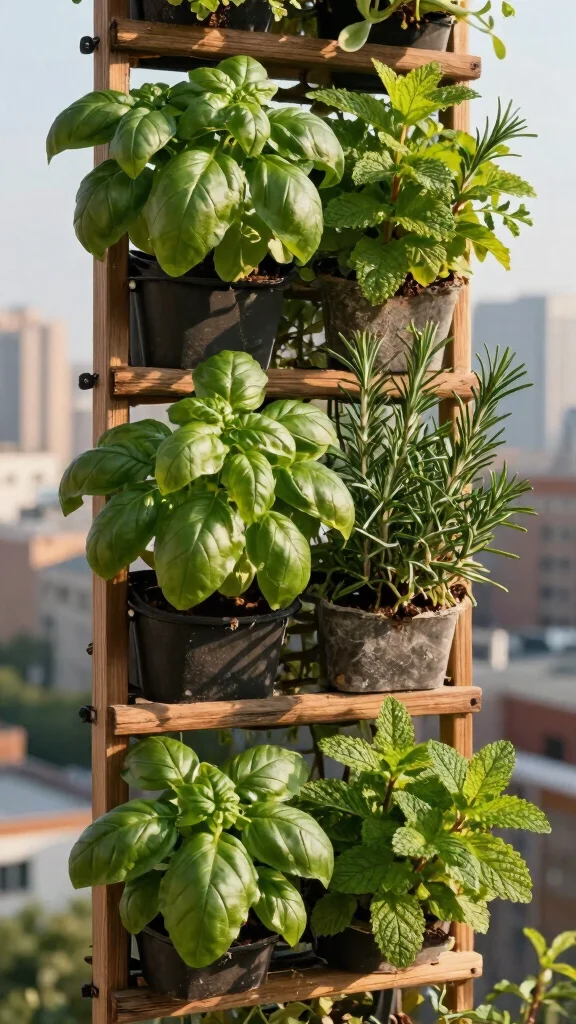
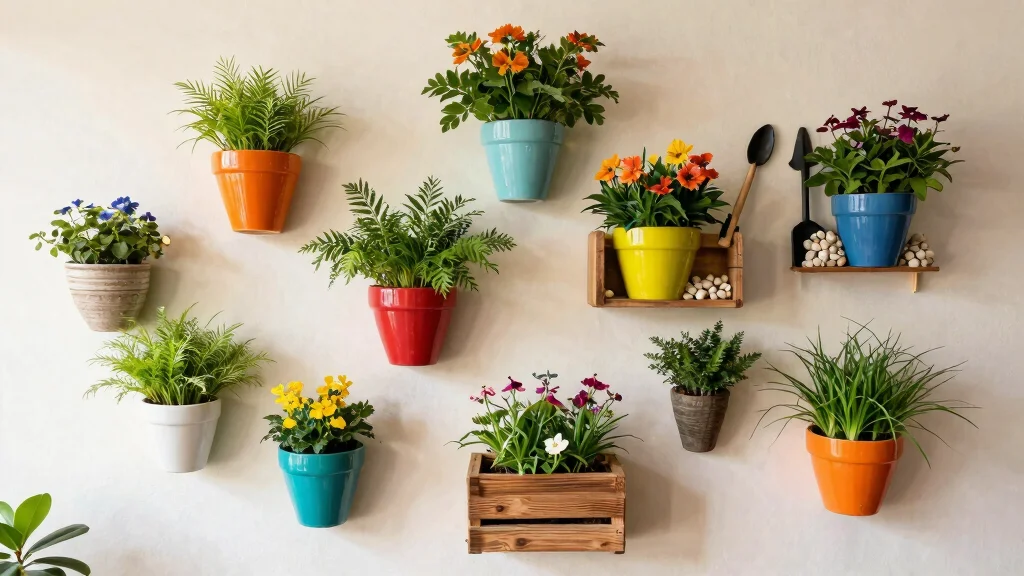
Imagine stepping onto your rooftop and reaching for fresh herbs right from a stunning vertical wall. A vertical herb wall is not just a space-saver; it brings vibrant flavors to your cooking. Using materials like trellises or wall-mounted planters, you can cultivate favorites like basil, thyme, and mint in a visually appealing way.
To thrive, herbs need ample sunlight and consistent watering. Opt for lightweight, well-draining soil, and consider pairing plants for optimal growth. This setup is both practical and beautiful, enhancing your culinary experiences with fresh aromas.
Key benefits of a vertical herb wall:
– Space-saving: Ideal for tight urban spaces, mounted easily on walls.
– Accessibility: Grab fresh herbs quickly while cooking.
– Aesthetic Appeal: A lively green feature that brightens your rooftop.
With this herb wall, you’ll enjoy fresh flavors every day, transforming your cooking into a delightful experience.
Vertical Herb Wall
Editor’s Choice

RUBFAC 7.8ft Garden Arch Trellis for Climbing Plants Outdoor, Metal Arch…


Make Good PlantPod Luxe – Self-Watering Wall Planters (Set of 6) – Easy …

Burpee, 9 Quarts | Premium Organic Potting Natural Soil Mix Food Ideal f…
2. Succulent Staircase Planters

Elevate your rooftop game with whimsical staircase planters brimming with vibrant succulents. This unique design maximizes space and introduces height, adding a playful touch to your green oasis. Succulents come in an array of colors and textures, making it easy to create a captivating visual display.
For a stunning arrangement, group succulents by color or shape. Ensure they’re placed in a sunlit area to thrive, as these drought-tolerant plants flourish with minimal care. This setup is perfect for busy urbanites who appreciate greenery without the fuss.
Key features to consider:
– Diverse Textures: Use various shapes and colors for visual interest.
– Low Maintenance: Perfect for those with busy lifestyles.
– Eco-Friendly: Upcycle materials for your staircase planters.
Your rooftop will shine with personality, transforming it into a lush retreat.
Fun fact: A narrow staircase planter can maximize rooftop space by stacking drama, turning every inch into color and life. Succulents thrive in sun with minimal care, so mix colors or shapes for a bold, low-maintenance display.
Succulent Staircase Planters
Editor’s Choice

Simple Trending 3 Tier Metal Plant Stand Outdoor Indoor Waterproof, Stac…
200 pcs Rare Mixed Mini Succulents Seeds for Bonsai & Ornamental Plants …

Back to the Roots 100% Organic Succulent & Cacti Mix (6 Quart) | Made in…
3. Hanging Planter Displays

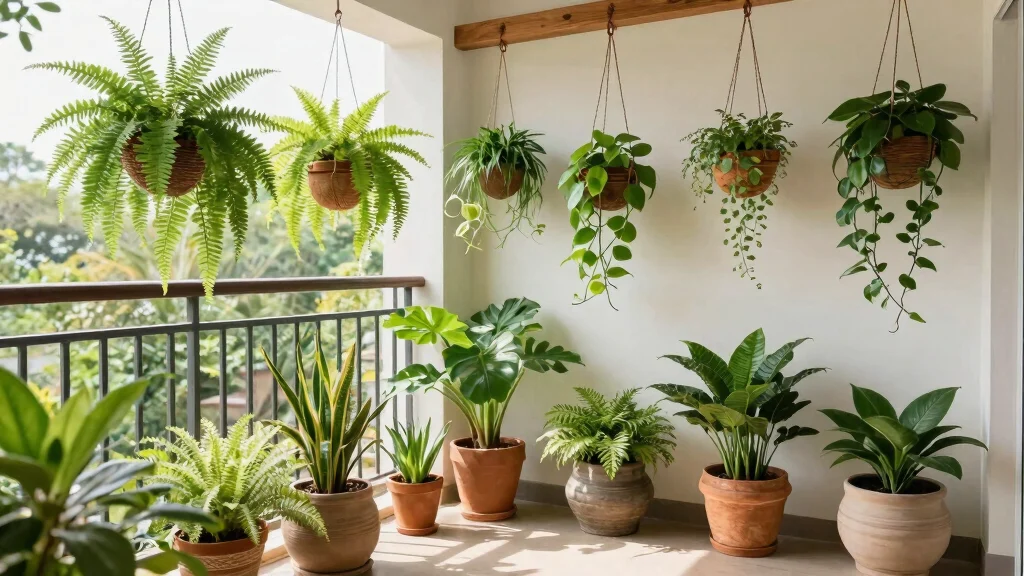
Transform your rooftop into a lush paradise with captivating hanging planter displays. This clever method utilizes vertical space, creating an inviting atmosphere that enchants anyone who sees it. With hanging planters, you can enjoy plants at varying heights, which adds depth to your garden.
Mix and match different plant types, pairing trailing vines with vibrant flowers for a dynamic look. Choose decorative macramé hangers for a bohemian vibe, or sleek metal hooks for a modern touch. The right placement can make these hanging beauties the highlight of your rooftop.
Advantages of hanging planters:
– Maximizes Vertical Space: Ideal for small areas, making your garden feel larger.
– Flexible Arrangement: Easily rearrange to refresh your garden’s look.
– Unique Perspective: Enjoy a layered visual experience.
These hanging displays will elevate your rooftop, creating a stunning floral masterpiece.
Fun fact: Hanging planters unlock up to 40% more space for rooftop planters, turning walls into lush vertical gardens. Pair trailing vines with flowers for color, then swap in macramé or metal hooks for a quick, boho-to-modern upgrade.
Hanging Planter Displays
Editor’s Choice

saffruff Heavy Duty Plant Hooks for Wall: 6-Inch 2 Pack Plant Hangers Ou…
12Pcs 17Inches Rectangle Planter Box with Drainage Holes and Trays Plast…

Mkono Macrame Plant Hanger Indoor Hanging Planter Basket with Wood Beads…
4. Tiered Vegetable Garden

A tiered vegetable garden is perfect for those wanting to grow their own food while making the most of limited space. This organized setup allows for a variety of vegetables to thrive, making planting and harvesting accessible and enjoyable.
With this design, you can easily water each tier, reducing waste and ensuring your plants receive the care they need. Choose a mix of seasonal veggies like tomatoes and peppers to keep your garden lively and productive. Understanding each plant’s light and soil needs will ensure a bountiful harvest.
Benefits of a tiered garden:
– Efficient Watering: Prevents water waste by targeting each tier.
– Easy Harvesting: Access every plant with ease.
– Beautiful Design: Creates an interactive and attractive garden space.
Enjoy the satisfaction of eating fresh produce from your rooftop while nurturing your green thumb.
You might also like
Difficulty Rating & Requirements
Overall Difficulty Rating: Medium
Transforming your rooftop into a sky garden can be a fun and rewarding project, but it does come with its challenges. This rating reflects the level of planning, physical effort, and gardening knowledge required. It’s suitable for anyone with a basic understanding of gardening and a willingness to get hands-on, but beginners may need to do a bit of extra research.
Time Estimate:
⏱ Estimated time: 2-5 days
Here’s how the time might break down:
– Planning and Design: 1-2 days to decide on layout and plants.
– Purchasing Materials: 1 day for gathering supplies.
– Building and Planting: 1-2 days, depending on the complexity of your planters.
Skill Requirements:
– Required skills: Basic gardening knowledge, ability to use tools, and a bit of physical strength.
– Beginner-friendly: Yes, with some guidance.
Most skills like planting and watering can be learned easily. However, if you plan on building custom structures, having some DIY experience will help.
Tools & Materials Needed:
🧰 Essential items checklist:
– Rooftop Planters: Required
– Soil Mix: Required
– Seeds or Plants: Required
– Gardening Tools (trowel, pruners): Required
– Watering Can or Hose: Required
– Level/Measuring Tape: Optional (for precision)
– Pots or Containers: Optional (if not using built-in planters)
– Support Structures (trellises, shelves): Optional
Step-by-Step Overview:
– Planning Your Layout (1-2 days): Sketch out your design. Decide what plants will go where based on sunlight and height needs.
– Gathering Materials (1 day): Purchase all your planter boxes, soil, and plants from your local gardening store.
– Building and Planting (1-2 days): Construct your planters if needed and fill them with soil. Plant your seeds or seedlings, making sure to follow spacing requirements.
Cost Comparison:
Professional vs DIY: Hiring a professional to design and install a rooftop garden can cost anywhere from $1,500 to $5,000 depending on the size and complexity. A DIY approach could be as little as $200 to $800 for materials, making it a budget-friendly option if you’re willing to invest your time instead of money.
Making your own sky garden is a fulfilling way to bring greenery into your urban space, but make sure you’re prepared for the effort involved!
Tiered Vegetable Garden
Editor’s Choice

MOONSOUND Self Watering Globes for Plants – 10pcs Automatic Watering Bul…

Sereniseed Certified Organic Vegetable Seeds (10-Pack) – Non GMO, Open…

TOREVSIOR 5-Tier Vertical Raised Garden Bed, Vertical Garden Planter wit…
5. Modular Planter Boxes
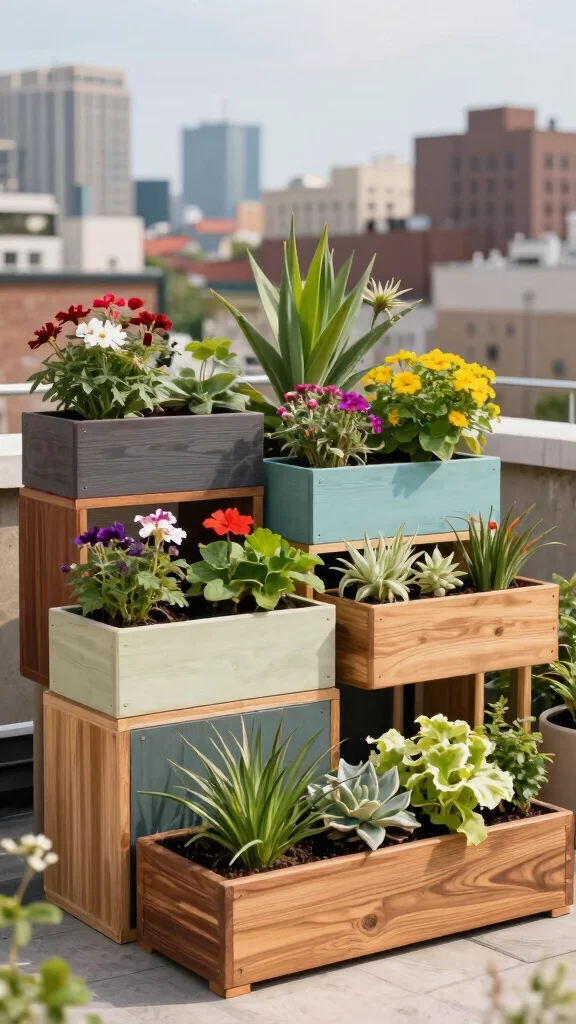
Modular planter boxes offer unmatched flexibility for rooftop gardening, giving you the freedom to customize your layout. These versatile boxes can be rearranged or expanded, fitting any style or space requirement.
You can fill them with a variety of plants, from vibrant flowers to delicious vegetables. The modular design allows you to change your plantings each season, keeping your garden fresh and exciting. With built-in drainage in many systems, you can protect your plants from root rot while maintaining a sleek look.
Why choose modular planters?
– Customizable Shapes: Create arrangements that fit your unique space.
– Integrated Draining: Reduces the risk of overwatering.
– Stylish Options: Pick colors and materials that match your rooftop aesthetic.
This flexibility encourages creativity, making your urban gardening experience truly enjoyable.
Modular Planter Boxes
Editor’s Choice

4-in-1 Modular Raised Garden Bed Kit – Adjustable Sizes (5x3x1ft, 4x4x1f…

Galvanized Raised Garden Bed Kit – 61x42x31 in Outdoor Planter Box for V…

9-in-1 Galvanized Steel Raised Garden Bed // 8×2×1.5 ft Modular Planter …
3PCS Raised Garden Beds Outdoor with Legs Planter Box, 47x16x21in Reinfo…

4-Piece Modular Raised Garden Bed Set, 15″ Elevated Planter Box with Leg…
6. Recycled Container Planters
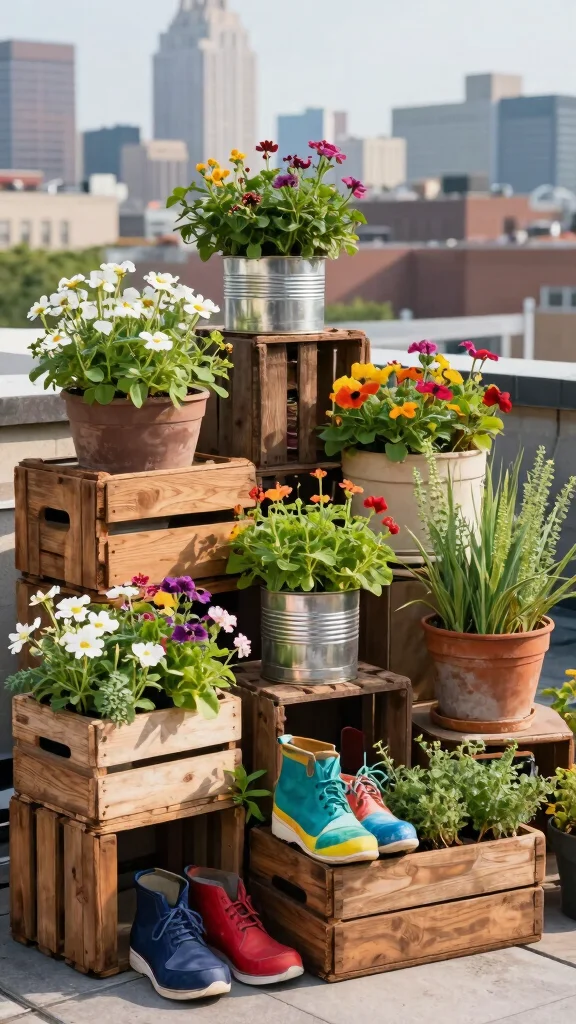
Breathe new life into old items by crafting charming recycled container planters. Upcycling materials like wooden pallets or tin cans allows you to express your creativity while promoting eco-friendly gardening practices.
Each unique planter tells a story, adding character to your rooftop garden. Plus, using what you already have is cost-effective and sustainable. Customize your containers with paint or fabric for a personal touch.
Why upcycle?
– Unique Designs: Each container has its own charm.
– Cost-Effective: Save money while being environmentally conscious.
– Creative Expression: Personalize your planters with various materials.
Your garden will become a whimsical space that reflects your personality and values.
Upcycle boldly—turn old tins and pallets into rooftop planters that save money and spark creativity. A few coats of paint or fabric transform containers into personal, unique designs, proving sustainable style is all about practical, playful gardening.
📹 Related Video: How I make ultra lightweight cement fabric planters using recycled plastic containers!
You Might Also Like
Recycled Container Planters
Editor’s Choice
Beeveer 6 Sets Paint Your Own Animal Shaped Succulent Planter Spring Min…

24 Set Garden Plastic Paintable Flower Pot Craft Kit 4″ Starter Pots DIY…

Miles Kimball Set of 2 Chippendale Planter Boxes, Black, Outdoor Décor …
7. Green Wall with Vertical Planters
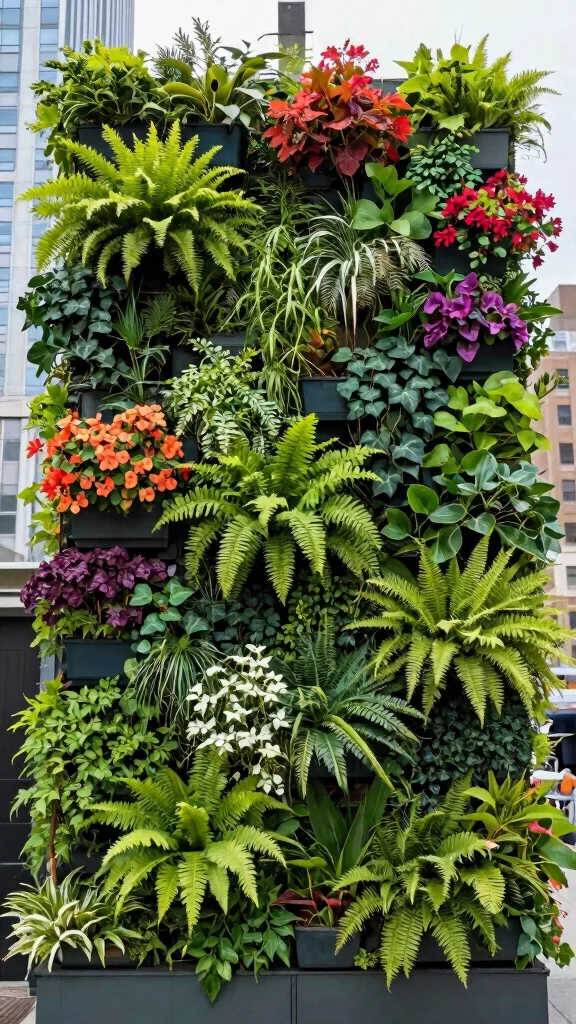
Create a stunning focal point on your rooftop with a green wall made from vertical planters. This living feature not only beautifies your space but also boosts air quality and provides insulation.
A lush green wall is visually striking and promotes a calming environment. Select a variety of plants that thrive vertically, like ferns and flowering vines, ensuring they have adequate support and sunlight. With proper care, this green wall will become an urban sanctuary, enhancing your skyline views.
Features of a green wall:
– Visual Impact: Eye-catching and relaxing greenery.
– Eco Advantages: Helps reduce urban heat and purifies the air.
– Space Efficiency: Utilizes vertical dimensions for gardening.
This green wall not only transforms your rooftop but also contributes positively to your environment.
Green Wall with Vertical Planters
Editor’s Choice

VECELO 5 Tier Vertical Garden Planter, Self Watering Stackable Planters …
2 Pack 30 Inch Taller Plant Trellis for Potted Climbing Plants Indoor,Ex…

ShopLaLa Wall Planter – 2 Pack, Wooden Hanging Large Planters for Indoor…
Conclusion
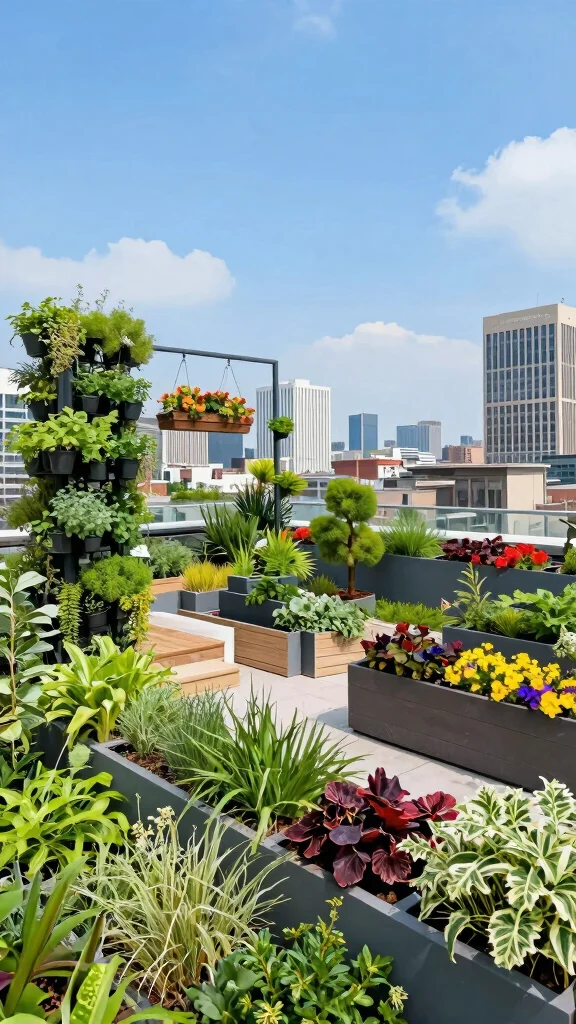
Creating a sky garden with rooftop planters is not only a fun project but also a rewarding way to enhance your urban lifestyle. From vertical herb walls to charming recycled containers, the options are endless in maximizing your rooftop space.
These ideas encourage creativity and sustainability, proving that you can have a beautiful green retreat even in the heart of the city. Whether you’re a seasoned gardener or just starting out, there’s a rooftop planter idea here for everyone!
Note: We aim to provide accurate product links, but some may occasionally expire or become unavailable. If this happens, please search directly on Amazon for the product or a suitable alternative.
This post contains Amazon affiliate links, meaning we may earn a small commission if you purchase through our links, at no extra cost to you.
Frequently Asked Questions
Question: What are the best rooftop planter ideas to turn a small urban space into a sky garden?
Answer: Turn a tight roof into a lush sky garden by using lightweight, modular planters that can hang on rails or fit tight corners.
Embrace vertical gardening with wall-mounted pockets or stacking planters to maximize every inch of space.
Mix container gardening with edibles and ornamentals—herbs, compact tomatoes, dwarf peppers, and colorful blooms—for a vibrant, low-maintenance display.
Pair with an efficient drip irrigation or self-watering setup to conserve water, aligning with eco-friendly gardening practices.
Finish with wind-safe arrangements and planters designed for rooftop conditions to keep plants thriving.
Question: How can I maximize a rooftop’s potential with vertical gardening and container gardening in a small space?
Answer: Start by assessing the roof’s weight and sun exposure, then pick lightweight, modular planters that attach to railings or walls.
Combine vertical gardening elements (pockets, trellises) with traditional container gardening to multiply growing area without crowding.
Choose compact, sun-loving plants—herbs, leafy greens, and cherry tomatoes—that perform well in urban gardening setups.
Use a simple drip system or self-watering containers to keep soil evenly moist with minimal effort.
Keep a regular rotation schedule and group plants by light needs to simplify maintenance.
Question: What eco-friendly practices can I apply to rooftop planters for sustainable gardening?
Answer: Go eco-friendly gardening with recycled or upcycled containers, rainwater harvesting, and compost-based soil.
Install a rain barrel and use drip irrigation to minimize water waste on rooftop planters.
Choose native or drought-tolerant species to reduce irrigation and support local pollinators.
Use a lightweight, soil mix that improves drainage and reduces the need for synthetic fertilizers.
Finally, select energy-efficient irrigation timers and avoid chemical pesticides to keep the urban garden healthy.
Question: How should I care for rooftop planters in sunny, windy urban environments?
Answer: Select wind-tolerant varieties and provide light wind protection with screens or trellises.
Use a well-draining soil mix and ensure each planter has a tray or saucer to prevent runoff and water waste.
Mulch the topsoil to cut evaporation, and water in the cooler morning hours.
Install a simple drip irrigation or self-watering system to maintain steady moisture, and feed with slow-release fertilizer according to plant type.
Question: What common mistakes should I avoid when installing rooftop planters in a small space?
Answer: Avoid overloading the roof with heavy soil and planters—calculate weight and choose ultra-lightweight options when possible.
Don’t skip drainage, or you’ll risk water damage and root rot.
Failing to consider sun, wind, and accessibility leads to stressed plants and neglected maintenance.
Secure planters to prevent movement in wind and storms, and set a simple maintenance schedule so your rooftop planters stay healthy.
Related Topics
rooftop planters
urban gardening
vertical gardening
small space gardening
eco-friendly gardening
container gardening
DIY gardening
beginner friendly
space-saving design
sustainable gardening
city gardening
creative planters