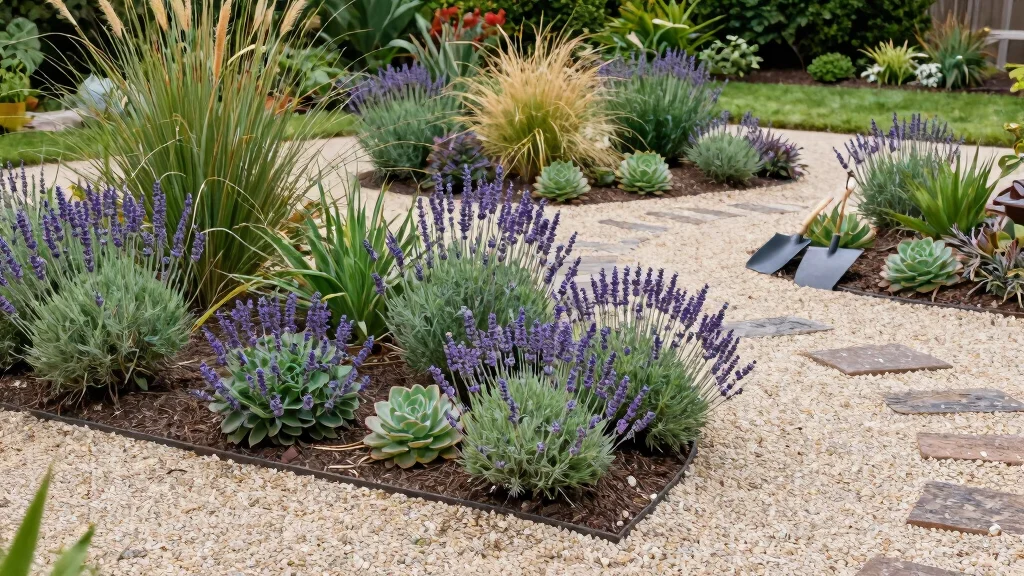
Creating a beautiful garden can feel overwhelming, especially if you’re short on time or experience. I put this post together because I understand that many of you want stunning outdoor spaces without the hassle of endless upkeep. You deserve to enjoy your garden, not spend your weekends battling weeds and watering plants. That’s where these gravel flower bed ideas come in. These designs are not only visually appealing but also low-maintenance, making them perfect for busy gardeners or anyone looking to simplify their outdoor spaces.
If you’re someone who enjoys gardening but craves convenience, this guide is for you. Whether you live in a drought-prone area or just want to reduce your water usage, these ideas are tailored to meet your needs. You’ll find inspiration ranging from cozy rustic designs to vibrant Mediterranean styles. Each suggestion will help you create a garden that’s not only easy to care for but also showcases beautiful flowers and plants.
In this post, you’ll discover 8 gravel flower bed ideas that are practically maintenance-free yet still radiate beauty. From drought-resistant plants to decorative gravel arrangements, you’ll find practical tips and tricks to make your garden shine. Get ready to transform your outdoor space into a low-maintenance oasis that you and your family can enjoy.
Key Takeaways
– Gravel flower beds are an excellent choice for low-maintenance gardening, reducing the need for frequent watering and weeding.
– Using decorative gravel can enhance your garden’s aesthetic while providing a practical solution for drainage and erosion control.
– Choosing the right flower bed designs can create diverse visual styles, from zen gardens to colorful succulent oases that cater to various tastes.
– Incorporating drought-resistant plants into your flower beds can lead to a sustainable and resilient garden that thrives even in dry conditions.
– With the right planning and plant selection, you can have an attractive, practically maintenance-free garden that saves you time and resources.
1. Zen Garden Vibe

If you’re seeking a serene retreat in your backyard, a Zen garden with gravel can offer just that. This style emphasizes tranquility and simplicity, creating a peaceful space for reflection. Choose white or gray decorative gravel to form clean, soothing lines, reminiscent of traditional Japanese gardens. Add natural elements like stones and boulders as focal points, and incorporate low-water plants such as Japanese maples or ornamental grasses for a truly low-maintenance oasis. You can even create patterns with smaller gravels around your plants to enhance the garden’s flow and depth.
To craft your Zen garden effectively, focus on the following tips. Mix large and small rocks to add dimension and interest to the design. Consider adding a small water feature to introduce calming sounds. Use edging stones to clearly define your gravel area and enhance its appeal.
Tips for your Zen Garden:
– Choose a mix of large and small rocks to add variety.
– Incorporate a small water feature for a soothing sound.
– Use edging stones to define the space clearly.
The beauty of this design lies in its minimalism, resulting in a visually striking space that requires little upkeep.
Zen Garden Vibe
Editor’s Choice

15 Rare Blue Japanese Maple Seeds – Acer Palmatum Ornamental Tree Seeds …


50+ Blue Fescue Ornamental Grass/Perennial Festuca/Drought Tolerant/Sun …

ZOOFOX 10lb Natural Rocks Stones, Small Washed Gravel for Terrariums, Su…
2. Coastal Elegance
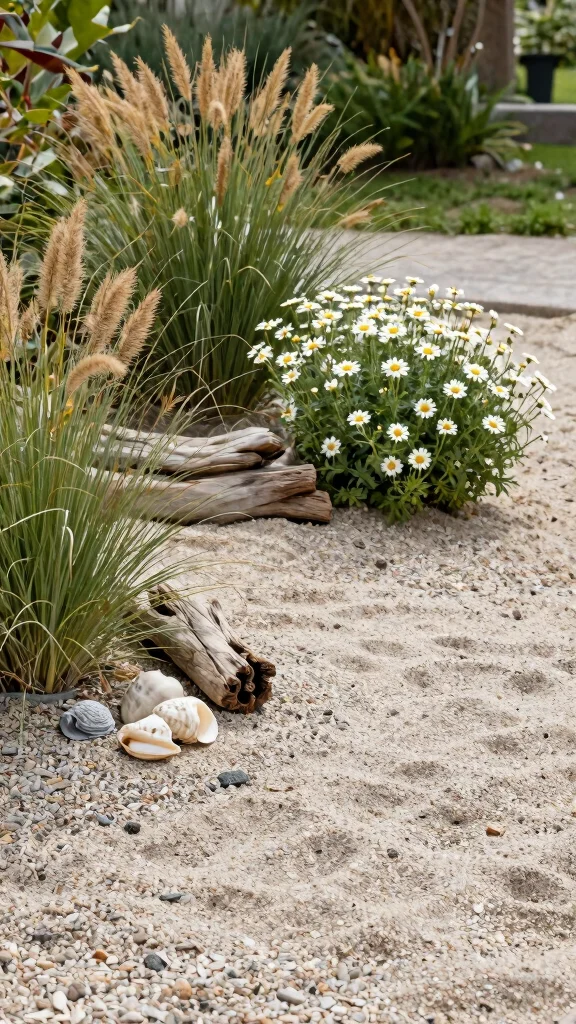
Transform your garden into a coastal paradise with a gravel flower bed inspired by the beach. This design features sandy hues and resilient seaside plants that thrive in low-water conditions. Opt for light-colored decorative gravel that mimics beach sand, mixing it with plants like sea oats, beach daisies, and various succulents for a vibrant, beachy atmosphere. The combination of textures and colors creates an inviting space that feels fresh and lively while remaining drought-resistant and easy to care for.
For the best coastal garden, consider these design elements. Add driftwood or shells as decorative accents to enhance the theme. Create pathways using light-colored stones that resemble sandy trails. Group your plants in clusters to achieve a natural, relaxed look that captures the essence of the coast.
Coastal Design Elements:
– Incorporate driftwood or shells as decorative accents.
– Use light-colored stones to create pathways that resemble sandy trails.
– Group plants in clusters to create a natural, relaxed look.
This easygoing design not only adds beauty to your space but also brings the feel of sunny beach days right to your backyard, all while being simple to maintain.
📹 Related Video: How To Make And Maintain A Gravel Garden
Coastal Elegance
Editor’s Choice

Drought Resistant Wildflower Seeds – 1oz, Open-Pollinated Bulk Flower Se…

40 LBS Grey Pea Gravel – Landscape Rocks – Drainage Rock – Gardening – A…
3. Rustic Charm
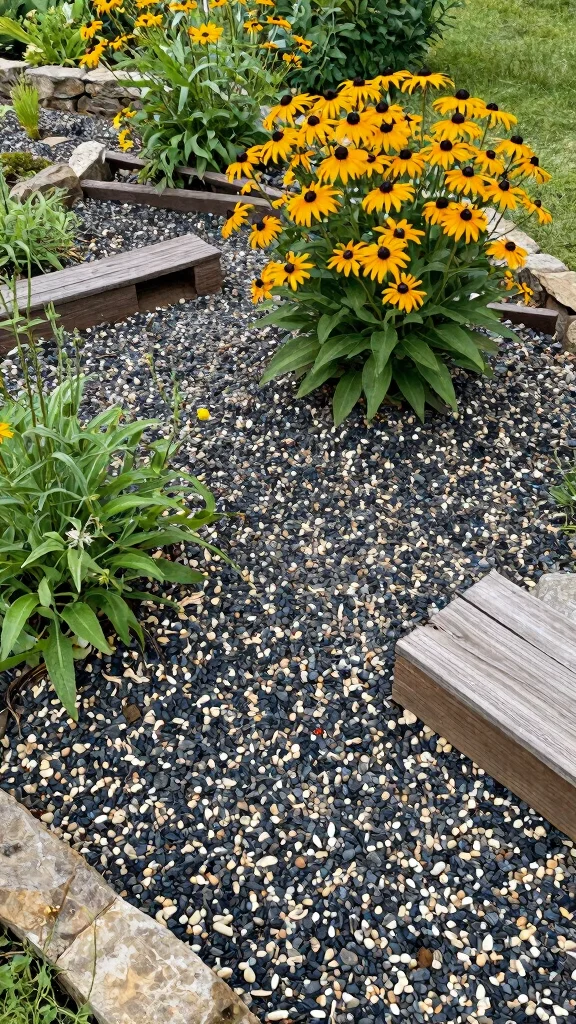
Infuse your garden with rustic charm through a gravel flower bed featuring earthy tones and native plants. Use a blend of dark and light decorative gravel to create a visually interesting landscape. By incorporating native, drought-resistant plants like sedums, echinacea, and black-eyed Susans, you’ll not only enhance your garden’s beauty but also support local wildlife. This sustainable approach requires minimal care, making it an excellent choice for those seeking low-maintenance gardening. Adding reclaimed wood edges can further enhance the authentic rustic feel.
To maximize the rustic charm, implement these practical tips. Use logs or stones for natural seating or decor within your garden. Select a variety of plant heights to create visual layers that catch the eye. Scatter wildflower seeds across your gravel bed to encourage biodiversity and a lively atmosphere.
Rustic Charm Tips:
– Incorporate logs or stones as natural seating or decor.
– Choose a variety of plant heights to create visual layers.
– Use wildflower seeds in your gravel bed to promote biodiversity.
This design fosters a harmonious connection with nature while being an easy option for gardening enthusiasts.
Rustic Charm
Editor’s Choice

Organo Republic Echinacea Seeds Pack 5.5 G – Over 1000 Non-GMO Heirloom …

Virekm Landscaping Pebbles, River Rocks Decorative Ornamental Pebbles Ga…
4. Modern Minimalism
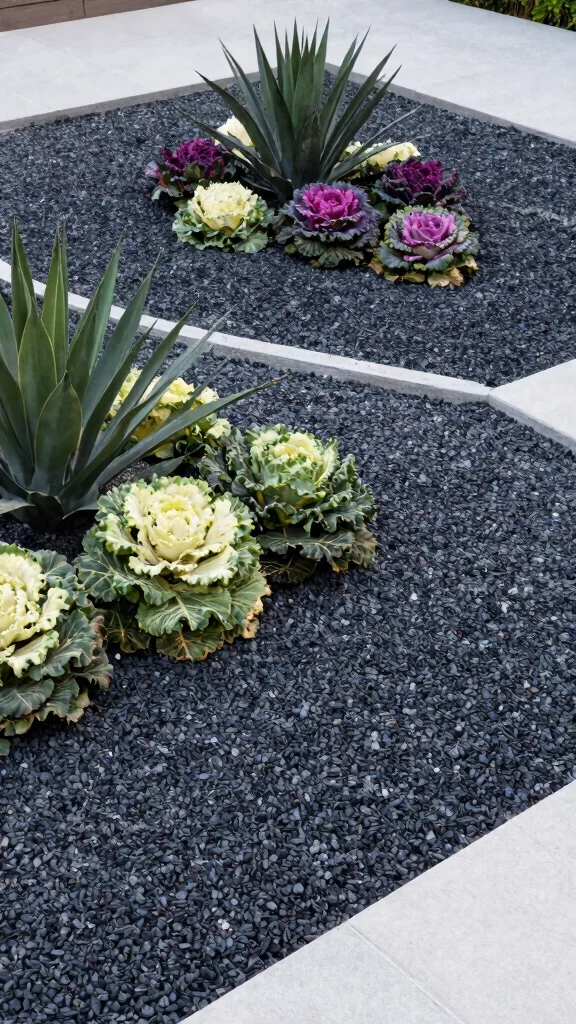
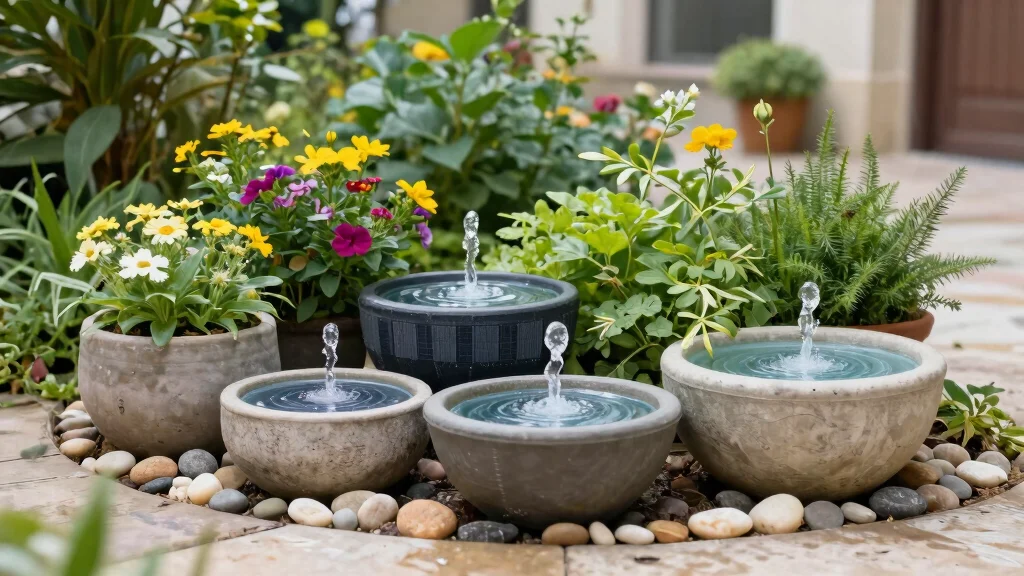
Embrace the beauty of simplicity with a modern minimalist gravel flower bed. This design features clean lines and bold shapes, perfect for the contemporary gardener. Opt for darker decorative gravel to create a striking contrast against lighter plants, such as ornamental cabbages and agaves. By focusing on fewer, more impactful plants, you can reduce water usage and maintenance requirements. Incorporating geometric shapes into your gravel layout can elevate your garden’s aesthetic and make it truly stand out.
To achieve a stunning minimalist design, consider these ideas. Use square or circular gravel patterns to create visual interest. Stick to a limited color palette for a cohesive and elegant look. Incorporate large statement planters that add drama and focus to your garden space.
Modern Minimalism Ideas:
– Use square or circular gravel patterns for visual interest.
– Stick to a limited color palette for a cohesive look.
– Add a few large statement planters for a dramatic effect.
This design emphasizes that less is more, creating an elegant outdoor space that remains beautiful with minimal upkeep.
You might also like
Modern Minimalism
Editor’s Choice

Mulctun 45LB Polished Black Pebbles,1/4″ – 3/4″ Small Black River Rocks …
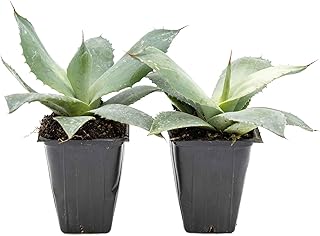
2 Artichoke Agave Succulent Plants in 3.5” Cubes | Live Blue-Gray Rose…

Ornamental Kale Seeds for Planting – Heirloom Flowering Cabbage Variet…
5. Vibrant Mediterranean
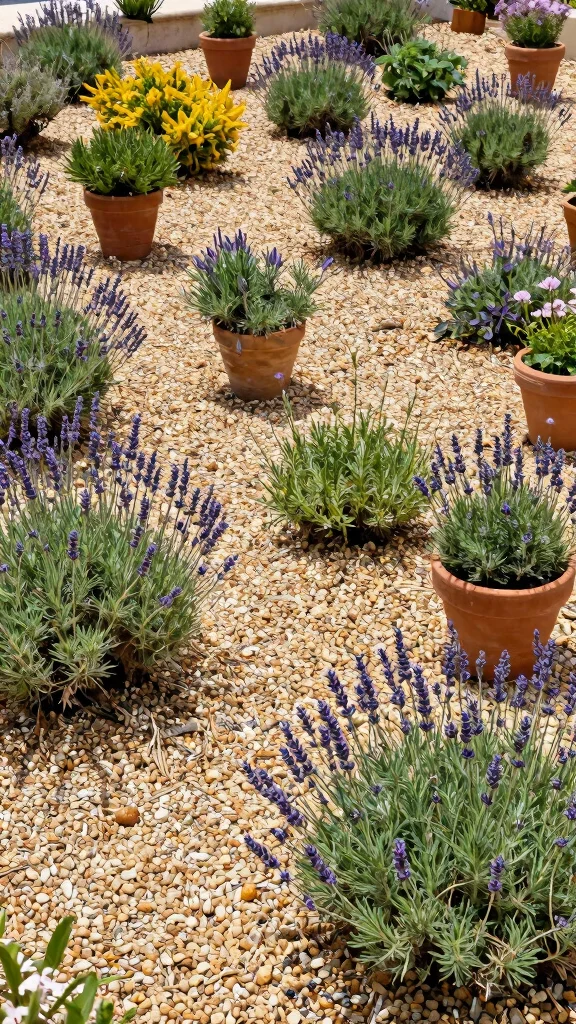
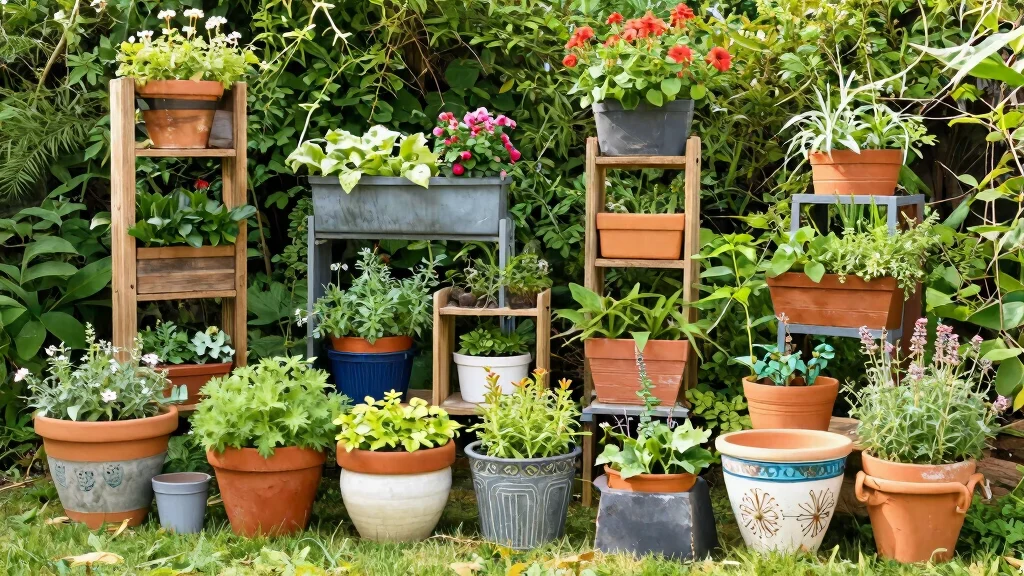
Celebrate color and texture with a Mediterranean-inspired gravel flower bed. This style features terracotta pots and vibrant, drought-resistant plants like lavender, rosemary, and various succulents. Use a mix of decorative gravel colors that mirror the earthy tones of a Mediterranean landscape. Arranging plants in clusters with different heights creates a captivating tapestry of colors and textures, while terracotta accents enhance the inviting, rustic feel.
To create your Mediterranean garden, try these DIY tips. Incorporate decorative stones or tiles to elevate the overall vibe. Use gravel pathways to connect different sections of your garden seamlessly. Group plants with similar water needs together for easy maintenance and a cohesive look.
DIY Mediterranean Tips:
– Incorporate decorative stones or tiles to enhance the vibe.
– Use gravel pathways to connect different sections of your garden.
– Group together plants with similar water requirements for easy maintenance.
This style not only looks fantastic but also offers a vibrant, low-water gardening experience that evokes the charm of a holiday getaway.
Did you know that a Mediterranean gravel bed—one of the gravel flower bed ideas— with 40% decorative gravel and clusters of lavender and rosemary can cut watering by up to 70%? That’s why this vibrant, drought-tolerant look stays green and inviting with minimal effort.
Vibrant Mediterranean
Editor’s Choice

Live Aromatic and Edible Herb – Rosemary (4 Per Pack), Naturally Improve…

YISZM 2LB Succulent and Cactus Gravel Pebbles, 1/5 Inch Natural Decorati…
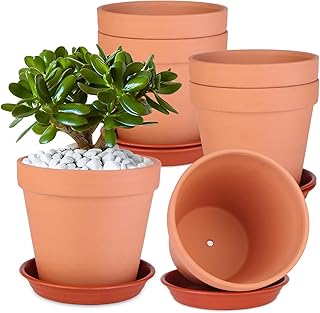
6 Pack 6 Inch Terracotta & Clay Pots with Saucer for Plants, Large Terra…
6. Colorful Succulent Oasis

Create a stunning gravel flower bed filled with succulents that is both beautiful and low-maintenance. These hardy plants thrive in well-drained conditions, making gravel an ideal base. Mix various succulent species for a vibrant display of colors and shapes that captures attention. Design this bed for easy care, requiring minimal watering and upkeep. Consider adding decorative rocks or contrasting gravel colors to give your succulent oasis depth and character.
For a successful succulent garden, keep these tips in mind. Space your plants to allow for growth and proper airflow. Use rocks to help retain warmth for your succulents during cooler nights. Combine your succulents with small ornamental grasses for added texture and interest.
Succulent Bed Tips:
– Space plants to allow for growth and airflow.
– Use rocks to help retain heat for your succulents during cooler nights.
– Combine with small ornamental grasses for added texture.
This design not only showcases stunning plants but also provides a practical solution for those seeking low-maintenance gardening options.
Colorful Succulent Oasis
Editor’s Choice
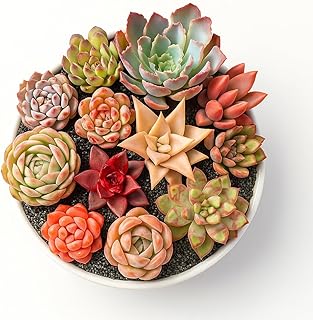
24 Pack Live Rosette Succulent Plants – Assorted Mini Echeveria Succul…

onlyfire Natural Polished Pebbles, 1.5-2 Inch Decorative Mixed Color Sto…

Melphoe 25Pcs Mini Garden Hand Transplanting Succulent Tools Set, 39.4″ …
7. Edible Flower Garden

Transform your gravel flower bed into a unique edible landscape by incorporating beautiful edible flowers like nasturtiums, pansies, and marigolds. This creative approach enhances your garden’s aesthetics while providing fresh ingredients for your culinary adventures. Use light-colored decorative gravel to make the vibrant flower colors stand out, creating a visually appealing and practical space. Opt for drought-resistant edible plants to ensure low maintenance while producing colorful blooms throughout the season.
To maximize the potential of your edible garden, consider these tips. Plant herbs among your flowers for added fragrance and utility. Use raised beds filled with gravel for a more organized and polished appearance. Mulch with gravel to help retain moisture and suppress weeds effectively.
Edible Garden Tips:
– Consider planting herbs among your flowers for added fragrance and utility.
– Use raised beds filled with gravel for a more organized look.
– Mulch with gravel to retain moisture and suppress weeds.
This approach beautifies your space while contributing to a sustainable and delicious gardening experience.
Edible blooms can turn your gravel bed into a seasonal pantry. With gravel flower bed ideas, nasturtiums, pansies, and marigolds bring color while staying drought-tolerant and low-maintenance—so you harvest beauty and flavor in one compact space.
You Might Also Like
Ongoing Maintenance & Care Guide
Maintenance Schedule:
Daily/Weekly Tasks:
– Check for Weeds: Spend about 10-15 minutes inspecting your gravel flower bed for any weeds. Remove them as soon as you spot them to prevent them from taking over.
– Water Drought-Resistant Plants: If your plants need extra water, spend around 15 minutes watering them deeply. Focus on the roots rather than the foliage.
– Inspect for Pests: Take 5-10 minutes to look for any signs of pests. Catching them early can save your plants from damage.
Monthly/Seasonal Tasks:
– Rake and Refresh Gravel: Each month, spend about 30 minutes raking the gravel to maintain its even look. Add a layer of new decorative gravel if needed for a polished appearance.
– Prune Flowers and Plants: Dedicate 20-30 minutes to prune your flowers and plants. This encourages new growth and keeps them healthy.
– Add Compost or Fertilizer: Every season, take 15-20 minutes to add organic compost or slow-release fertilizer to support plant health. This will boost their growth, especially in spring and fall.
– Inspect for Erosion or Drainage Issues: Spend about 20-30 minutes checking for any areas where gravel has washed away or where water tends to pool. Fix any problems to keep your garden looking its best.
Maintenance Summary Table:
| Task | Frequency | Difficulty | Time Needed |
|———————————–|—————|————-|————-|
| Check for Weeds | Daily/Weekly | Easy | 10-15 mins |
| Water Drought-Resistant Plants | Daily/Weekly | Easy | 15 mins |
| Inspect for Pests | Daily/Weekly | Easy | 5-10 mins |
| Rake and Refresh Gravel | Monthly | Moderate | 30 mins |
| Prune Flowers and Plants | Monthly | Moderate | 20-30 mins |
| Add Compost or Fertilizer | Seasonal | Easy | 15-20 mins |
| Inspect for Erosion | Seasonal | Moderate | 20-30 mins |
Common Issues to Watch For:
⚠️ Weed Growth: If you see weeds sprouting, it signals you need to increase your maintenance routine. Regular checks can help keep them at bay.
⚠️ Yellowing Leaves: This can indicate overwatering or nutrient deficiencies. Take a closer look at your watering schedule and consider adding fertilizer.
⚠️ Pest Infestations: Look for visible insects or damage on leaves. If you spot them, act quickly with organic pest control methods.
⚠️ Erosion Signs: If gravel moves or dips occur, it’s a sign of potential drainage issues. Address these quickly to maintain the structure of your flower bed.
⚠️ Poor Growth: If plants aren’t thriving, reassess your watering and soil conditions. They might need more nutrients or better drainage.
Care Tips:
💡 Mulch with Gravel: Using a layer of decorative gravel not only looks great but also suppresses weeds and retains moisture. Aim for 2-3 inches to keep your plants happy.
💡 Group Plants by Water Needs: When selecting plants, cluster those with similar watering requirements. This makes it easier to care for your garden without over or under-watering.
💡 Use a Drip Irrigation System: Consider installing a simple drip irrigation system. This setup will save you time and ensure your plants receive consistent moisture without much effort.
💡 Choose Native and Drought-Resistant Plants: Selecting plants that thrive in your region reduces the need for extra maintenance. Native plants are often more resilient to local weather conditions.
💡 Refresh Gravel Regularly: Every season, take a moment to refresh the gravel. This keeps your flower bed looking tidy and inviting while also supporting proper drainage.
Edible Flower Garden
Editor’s Choice

French Marigold Seeds for Planting – Plant & Grow Heirloom French Marigo…

Espoma Organic Flower-Tone 3-4-5 Natural & Organic Plant Food; 4 lb. Bag…

SEETOOOGAMES Glow in Dark Rocks – Glow Pebbles Stones for Outdoor Garden…
8. Pollinator Paradise

Design a vibrant pollinator-friendly gravel flower bed that attracts bees, butterflies, and birds to your garden. By selecting a diverse range of flowering plants such as coneflowers, bee balm, and milkweed, you can support local ecosystems while enjoying a beautiful and lively landscape. Using decorative gravel to define your flower bed helps with water retention and provides a stunning backdrop for your plants. Consider layering gravel in different shades to create a dynamic and visually appealing structure that encourages pollinators while remaining easy to maintain.
To enhance your pollinator garden, keep these tips in mind. Incorporate native plants for the best results in attracting local pollinators. Cluster flowers together to create larger patches of color that draw in bees and butterflies. Avoid pesticides to ensure a safe and welcoming environment for your new garden friends.
Pollinator Tips:
– Incorporate native plants for the best results in attracting local pollinators.
– Cluster flowers together to create larger patches of color.
– Avoid pesticides to ensure a safe environment for your new garden friends.
This design is practical and contributes to environmental sustainability while bringing a vibrant, colorful atmosphere to your garden.
Fun fact: When you implement gravel flower bed ideas with a layered, multi-shade backdrop, water retention improves and pollinator visits rise. It’s easy to keep maintenance low while enjoying a vibrant, wildlife-friendly garden.
Pollinator Paradise
Editor’s Choice
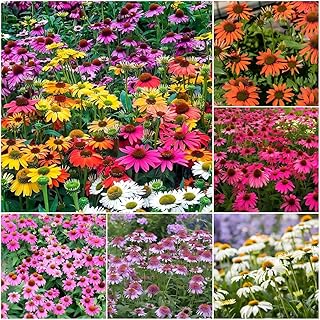
1200+ Mixed Color Echinacea Seeds – Perennial Multi-Color Coneflower, No…
YISZM 2LB Succulent and Cactus Gravel Pebbles, 1/5 Inch Natural Decorati…
Conclusion

Incorporating gravel flower beds into your garden design brings a range of benefits, from low-maintenance upkeep to eye-catching aesthetics. These eight ideas showcase how you can create stunning outdoor spaces that require minimal water while still adding beauty to your home.
By selecting drought-resistant plants and decorative gravel, you can enjoy a thriving garden that matches your style and lifestyle. Which idea resonates with you the most? Consider experimenting with these suggestions to craft a garden that’s both gorgeous and practical.
Note: We aim to provide accurate product links, but some may occasionally expire or become unavailable. If this happens, please search directly on Amazon for the product or a suitable alternative.
This post contains Amazon affiliate links, meaning we may earn a small commission if you purchase through our links, at no extra cost to you.
Frequently Asked Questions
What makes gravel flower bed ideas truly low-maintenance and drought-friendly?
Gravel flower bed ideas are designed for low-maintenance gardening and water efficiency. By combining decorative gravel with drought-resistant plants, you cut back on weeds and frequent watering. Practical setup tips: start with a thick weed barrier, ensure good drainage, and edge the bed to keep gravel in place. Use a simple drip irrigation or soaker hose system to deliver water directly to roots. With occasional weed removal and a light topping of decorative gravel every couple of years, these beds stay beautiful with minimal effort. These 8 ideas show practical flower bed designs that fit garden landscaping ideas for a dry, stylish look.
Which plants pair best with decorative gravel in a gravel flower bed design?
For drought-resistant plants that thrive with decorative gravel, try lavender, sedum, yarrow, gaillardia, echeveria, sempervivum, agave, and ornamental grasses like blue fescue or fountain grass. Place taller varieties toward the back and use lower groundcovers in front to create depth in your flower bed designs. Keep sun-loving selections grouped together and ensure good drainage. This combination delivers long-lasting color with minimal water, perfectly aligning with garden landscaping ideas and gravel flower bed ideas.
Do gravel beds really require no watering, and how do you set them up for success?
Gravel beds dramatically reduce irrigation needs, but they aren’t completely maintenance-free. Plan for low-water once established by using a drip or soaker system and choosing drought-resistant plants. Setup steps: remove turf if needed, lay a durable weed barrier, add a drainage layer, spread decorative gravel in an even profile, and edge the bed to keep gravel in place. After planting, water deeply to establish roots, then rely on minimal watering as needed. With these steps, you’ll enjoy vibrant flower bed designs that look fresh in any climate while staying true to low-maintenance gardening goals.
How can I maintain a gravel flower bed without heavy upkeep or turning the soil?
Maintenance is mostly about occasional refreshing and weed control. Rake the surface to keep the gravel looking neat, remove any weeds that pop up, and prune or divide plants as needed. Top up the decorative gravel every few years to refresh color and prevent soil exposure. Keep edges clean to prevent gravel wander, and limit soil disturbance to protect the root zones of your drought-resistant plants. This approach aligns with practical garden landscaping ideas and keeps your gravel flower bed ideas looking pristine with minimal effort.
Can you convert an existing bed into a gravel flower bed using these ideas?
Absolutely. Start by choosing a cohesive color palette of decorative gravel and planning flower bed designs that feature drought-resistant plants. Remove existing turf or mulch, lay down a solid weed barrier, and add a drainage layer if needed. Install edging to keep gravel contained, then apply your decorative gravel and plant in groups for a natural look. This approach fits well with garden landscaping ideas for low-water, low-maintenance gardening and gives you a refreshed bed that remains visually striking year after year.
Related Topics
gravel flower beds
low-maintenance gardening
drought-resistant plants
flower bed designs
decorative gravel
garden landscaping
easy gardening tips
water-wise gardens
outdoor decor
landscape ideas
beginner friendly
practical gardening