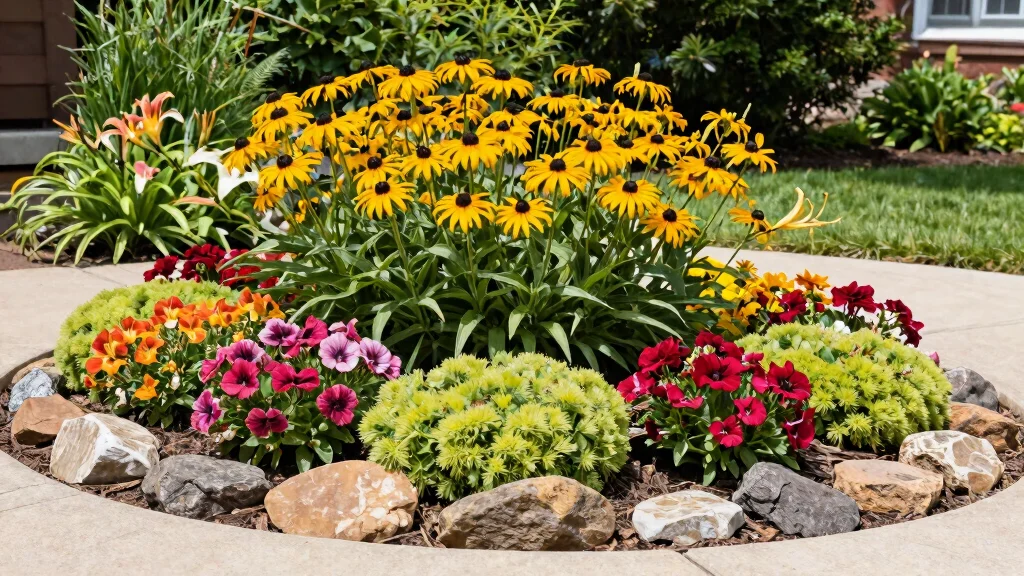
Creating a bright and inviting front flower bed can feel overwhelming, especially when you’re aiming for a low-maintenance setup. The good news is that you can have a stunning garden without the constant upkeep. If you’re tired of spending your weekends weeding and watering, you’re in the right place. This post is crafted for everyone who dreams of a colorful yard but wants to enjoy it rather than labor over it.
Whether you’re a busy homeowner, a gardening newbie, or someone who simply loves beautiful flowers, this guide is designed for you. You’ll find ten full sun front flower bed ideas that thrive effortlessly. These plants not only stand up to the heat but also bring vibrant colors and textures to your space. Plus, they are perfect for those who want to create a stunning front yard landscape without a lot of fuss.
Get ready to explore low-maintenance flowers, drought-tolerant plants, and colorful flower combinations that will breathe life into your outdoor space. Each idea includes perennial flower options that require minimal care while providing maximum visual impact. Let’s dive in and help you create a front garden that thrives beautifully!
Key Takeaways
– Discover ten full sun flower bed ideas that require minimal effort, perfect for busy gardeners.
– Learn about low-maintenance flowers that thrive in sunny areas, ensuring your garden remains vibrant without constant attention.
– Explore drought-tolerant plants that not only save water but also provide a colorful and diverse floral display.
– Get inspired by colorful flower combinations that can enhance your front yard landscaping and curb appeal.
– Find practical tips for selecting and maintaining perennial flower options that will come back year after year.
1. Radiant Rudbeckia

If you want a flower that shines brightly in your sunny garden, look no further than Rudbeckia, also known as Black-eyed Susans. With their vibrant yellow petals and striking dark centers, these flowers bloom from summer to early fall, bringing life and color to any landscape. They’re not just pretty; they’re also incredibly hardy, making them a favorite for low-maintenance flower beds that thrive in the sun. Pair them with other plants for a beautiful display that draws in pollinators and adds charm to your outdoor space.
To get the most out of your Rudbeckia, plant them in well-drained soil and give them plenty of sunlight. These flowers are drought-resistant once established, so you won’t need to worry much about watering. Consider grouping them with taller perennials like Coneflowers to create visual interest and texture in your garden.
Key planting tips:
– Space them 12-18 inches apart for optimal growth.
– Combine with tall ornamental grasses for added depth.
Rudbeckia will not only enhance your garden’s beauty but will also create an inviting atmosphere for bees and butterflies.
Radiant Rudbeckia
Editor’s Choice

Black Eyed Susan Seeds for Planting | 30,000+ Heirloom Seeds, Flower See…

2. Cheerful Daylilies
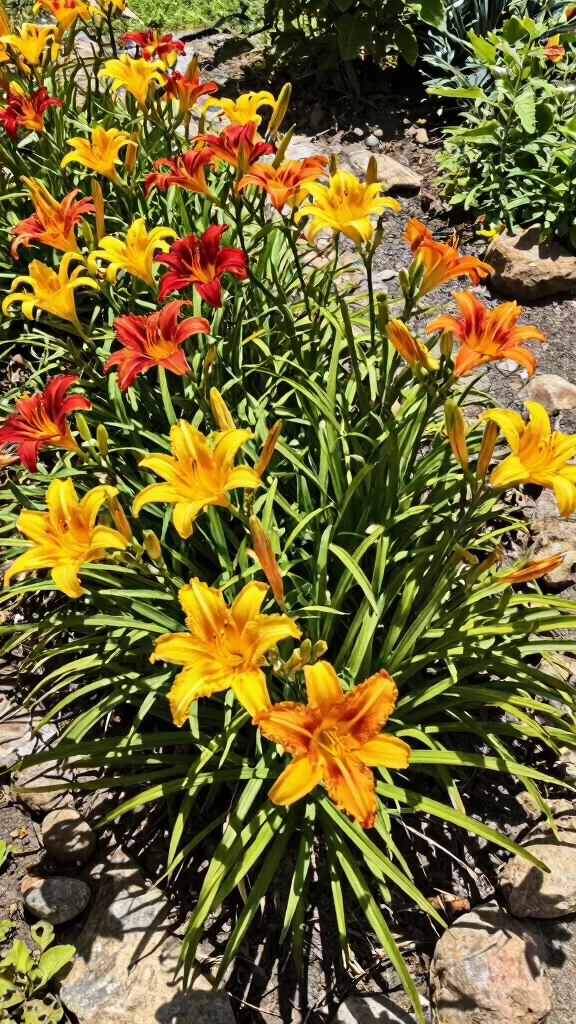
Daylilies are perfect if you want a splash of color in your garden without a lot of fuss. These hardy perennials bloom in a rainbow of colors, from sunny yellows to deep reds, and each plant can produce many buds, ensuring a vibrant garden all summer long. They thrive in various soil conditions and require minimal care, making them ideal for both novice and experienced gardeners alike.
To create a stunning display, consider mixing different colors and varieties. Plant them alongside low-growing ground covers, like Creeping Thyme, to create a lush, layered effect that’s visually appealing and low-maintenance.
Pairing ideas:
– Combine with fragrant herbs for a delightful sensory experience.
– Use a variety of heights to add depth to your flower bed.
With their ability to attract butterflies, Daylilies will not only brighten your garden but also invite nature into your space.
Cheerful Daylilies
Editor’s Choice

Stella D’oro Yellow Daylilies – 10 Bare Root Perennials Re-Bloomer

Back to the Roots 25.7qt (1 Cubic ft) Organic Premium Mulch
3. Lush Sedum

Sedum brings a delightful touch to your garden with its succulent leaves and colorful blooms. This drought-tolerant plant thrives in sunny spots and requires very little maintenance, making it a gardener’s dream. Its various forms, from ground covers to taller varieties, can fill empty spaces while adding unique textures to your flower bed.
To maximize their impact, consider using lower-growing Sedum as borders or fillers around taller plants. They are easy to propagate, allowing you to expand your garden without breaking the bank. Mixing Sedum with ornamental stones can create a serene, zen-like atmosphere in your outdoor space.
Design tips:
– Use as a filler in mixed arrangements for a vibrant look.
– Combine with rocks or gravel for a modern touch.
With their star-shaped flowers, Sedum not only enhances your garden’s aesthetic but also attracts pollinators, enriching your landscape.
Lush Sedum
Editor’s Choice

Drought-Tolerant Plants: An Easy-to-Understand Guide to Choosing the Rig…
4. Colorful Coneflowers

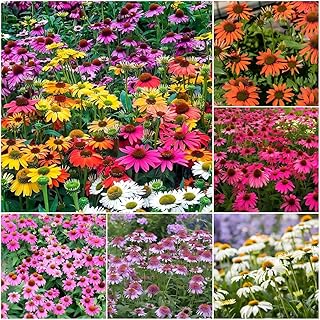
Coneflowers, or Echinacea, are a stunning addition to any garden with their bright, daisy-like petals and prominent seed heads. These resilient perennials thrive in full sun and are drought-tolerant, making them an essential choice for low-maintenance flower beds. Available in a variety of colors, including purple, orange, and white, Coneflowers allow you to customize your garden style effortlessly.
For a striking effect, plant Coneflowers in clusters to create a bold statement in your flower bed. Their height pairs well with ornamental grasses, creating a captivating contrast that adds dimension to your garden design.
Planting suggestions:
– Group them for a vibrant focal point.
– Mix with other perennials for a diverse landscape.
By attracting bees and butterflies, Coneflowers not only beautify your garden but also create a lively atmosphere full of life.
Ongoing Maintenance & Care Guide
Maintenance Schedule:
Daily/Weekly Tasks:
– Check for weeds: Remove any weeds that pop up. This keeps your flower bed tidy and gives your plants space to grow. ⏱ Time estimate: 10-15 minutes.
– Inspect moisture levels: Look at the soil to see if it’s dry. If it feels dry about an inch down, give your flowers a drink. ⏱ Time estimate: 5 minutes.
– Deadhead flowers: Snip off dead blooms to encourage more flowers. This keeps your plants looking fresh and vibrant. ⏱ Time estimate: 10 minutes.
Monthly/Seasonal Tasks:
– Mulch your flower bed: Add a layer of mulch to suppress weeds and retain moisture. Aim for 2-3 inches of mulch for best results. ⏱ Time estimate: 30-60 minutes once a month.
– Fertilize perennials: Use a slow-release fertilizer in spring. This helps your flowers grow strong and colorful. ⏱ Time estimate: 20 minutes.
– Prune back perennials: Trim back any leggy growth in late fall or early spring. This encourages healthy growth for the next season. ⏱ Time estimate: 30 minutes each season.
Maintenance Summary Table:
| Task | Frequency | Difficulty | Time Needed |
|————————-|—————-|————–|—————|
| Check for weeds | Daily/Weekly | Easy | 10-15 minutes |
| Inspect moisture levels | Daily/Weekly | Easy | 5 minutes |
| Deadhead flowers | Daily/Weekly | Easy | 10 minutes |
| Mulch your flower bed | Monthly | Moderate | 30-60 minutes |
| Fertilize perennials | Monthly | Easy | 20 minutes |
| Prune back perennials | Seasonal | Moderate | 30 minutes |
Common Issues to Watch For:
⚠️ Wilting leaves: If your plants appear droopy, they may need water. Check the soil moisture before watering again.
⚠️ Yellowing leaves: This can indicate overwatering or nutrient deficiencies. Assess your watering schedule and consider fertilizing.
⚠️ Pest damage: Look for holes or discoloration on leaves. Check underneath leaves for pests and treat them if needed.
⚠️ Mold or mildew: If you see white or gray patches, your plants may be too humid. Improve air circulation by spacing them out.
⚠️ Stunted growth: Plants not growing as expected could signal a lack of nutrients or light. Evaluate their conditions and adjust as needed.
Care Tips:
💡 Choose the right plants: Select low-maintenance flowers that thrive in full sun. Examples include coneflowers and sedum, which are hardy and drought-tolerant. 🏵️
💡 Water wisely: During dry spells, water deeply and less often. This encourages deep root growth. Aim for about an inch of water each week, either from rain or irrigation.
💡 Stay on top of pests: Regularly inspect your plants for signs of pests. Early detection makes treatment easier and helps keep your flowers healthy.
💡 Use organic mulch: Organic mulches break down over time, adding nutrients to the soil. This not only suppresses weeds but nourishes your plants as well.
💡 Rotate flower varieties: Every few years, consider changing the flower types in your bed. This helps prevent disease build-up and keeps the garden looking fresh and interesting.
Colorful Coneflowers
Editor’s Choice
Back to the Roots 100% Organic Mulch, 58 Quart, Expanding Coconut Husk B…

Burpee, 9 Quarts | Premium Organic Potting Natural Soil Mix Food Ideal f…
1200+ Mixed Color Echinacea Seeds – Perennial Multi-Color Coneflower, No…
5. Hardy Coreopsis

Coreopsis, known for its cheerful yellow blooms, is a fantastic choice for sunny flower beds. These hardy perennials are easy to grow and thrive in poor soil, making them low-maintenance and perfect for busy gardeners. Coreopsis produces abundant flowers throughout the summer, providing an endless display of color and joy.
To enhance your garden design, consider pairing Coreopsis with low-growing groundcovers like Creeping Phlox for a vibrant contrast. Plant them alongside taller plants to create depth and interest in your flower bed.
Companion planting ideas:
– Combine with darker blooms for a striking visual.
– Use as accents in mixed borders for added texture.
Coreopsis not only adds beauty but also attracts butterflies, making your garden a lively and enchanting space.
“Fun fact: Coreopsis can bloom for 6–8 weeks straight in a sunny bed, often with repeat blooms after deadheading. For front flower bed ideas full sun, these hardy perennials thrive in poor soil and keep color blazing all summer.”
📹 Related Video: Coreopsis – Complete Grow and Care Guide
You might also like
Hardy Coreopsis
Editor’s Choice

Miracle-Gro Potting Mix – For Container Plants, Flowers, Vegetables, Shr…
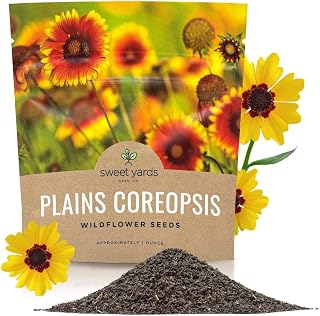
Plains Coreopsis Seeds – Native Flowers – Extra Large Packet – Ove…

Greenwood Nursery: Live Ground-Cover Plants – Pink Creeping/Moss Phlox +…
6. Vibrant Gaillardia
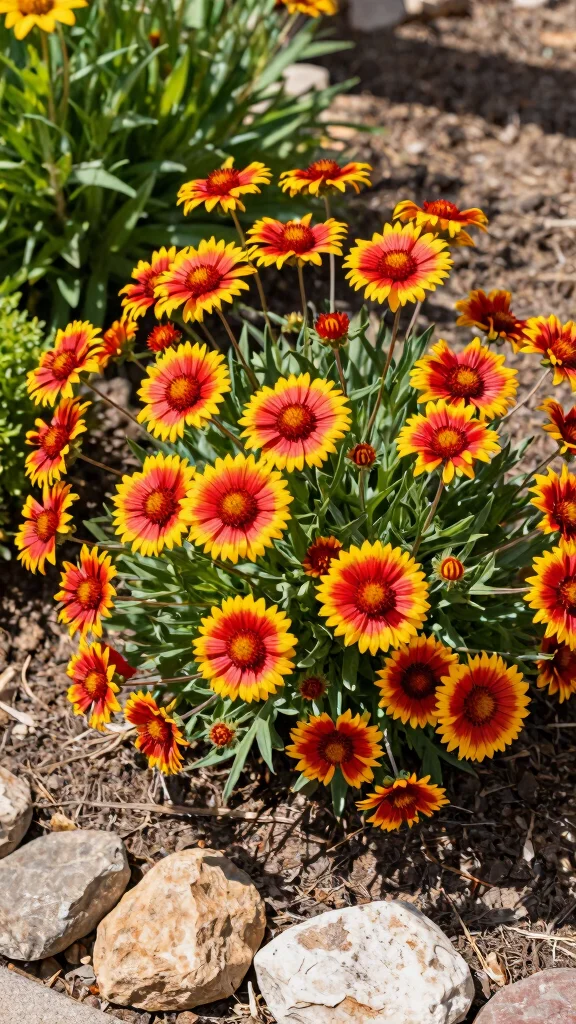
Gaillardia, or blanket flower, adds a burst of fiery color to your flower bed. With their striking red, yellow, and orange petals, these flowers create a focal point that captures attention. They thrive in full sun and can tolerate poor, dry soil, making them perfect for low-maintenance gardens that need a splash of color.
To create a stunning visual, mix Gaillardia with softer hues like lavender or pale pink. Providing them ample space allows them to self-seed and fill in gaps, enhancing your garden’s beauty naturally.
Planting tips:
– Group them for a bold statement in your flower bed.
– Allow room for spreading to create a natural look.
With minimal care required, Gaillardia is ideal for busy gardeners seeking a vibrant touch in their outdoor spaces.
Vibrant Gaillardia
Editor’s Choice
Back to the Roots 25.7qt (1 Cubic ft) Organic Premium Mulch
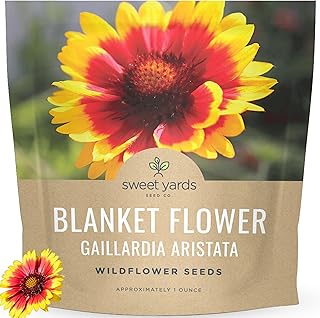
Blanket Flower – Gaillardia aristata – Large 1 Ounce Packet – 9,00…
7. Elegant Shasta Daisies

Shasta Daisies offer a timeless look for any garden with their bright white petals and sunny yellow centers. These perennials thrive in sunny spots and are easy to care for, making them a popular choice for low-maintenance flower beds. Blooming from late spring to fall, they provide a long-lasting display that adds freshness and cheer to your garden.
To create a dynamic effect, use Shasta Daisies as a centerpiece surrounded by colorful annuals. Plant them in groups of three or more for a fuller appearance that brightens up your landscape.
Design ideas:
– Combine with complementary colors for a striking contrast.
– Use as a border around other perennials for depth.
By attracting butterflies, Shasta Daisies enhance your garden’s beauty while inviting nature into your space.
Elegant Shasta Daisies
Editor’s Choice

Burpee Wildflower 25,000 Bulk, 1 Bag | 18 Varieties of Non-GMO Flower Se…
8. Charming Asters

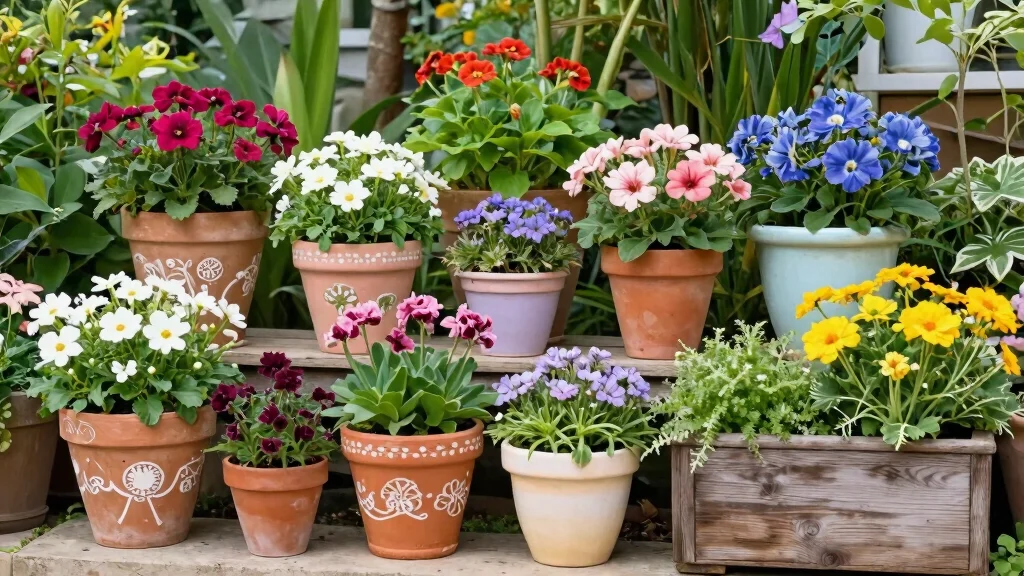
Asters bring vibrant colors to your garden when many other flowers have faded. With star-shaped blooms in shades of blue, purple, and pink, they create a charming atmosphere in any flower bed. These tough perennials thrive in full sun and are drought-resistant, making them a great option for low-maintenance gardening.
For a beautiful arrangement, plant Asters toward the back of your flower bed to provide height, allowing shorter flowers to shine in the front. Combining them with yellow or orange flowers creates a delightful contrast that warms up your space.
Placement tips:
– Use as a backdrop for shorter plants for added dimension.
– Mix with other late bloomers for continuous color.
The extended blooming period of Asters means your garden will continue to dazzle as summer turns to fall.
Asters prove you can have front flower bed ideas full sun that pop without extra effort. Plant them toward the back for height, pair with yellow accents, and enjoy drought‑resistant, low-maintenance blooms all season.
You Might Also Like
Charming Asters
Editor’s Choice
Back to the Roots 25.7qt (1 Cubic ft) Organic Premium Mulch

KVITER 600 New England Aster Seeds for Planting (Aster novae-angliae) ��…
9. Graceful Phlox
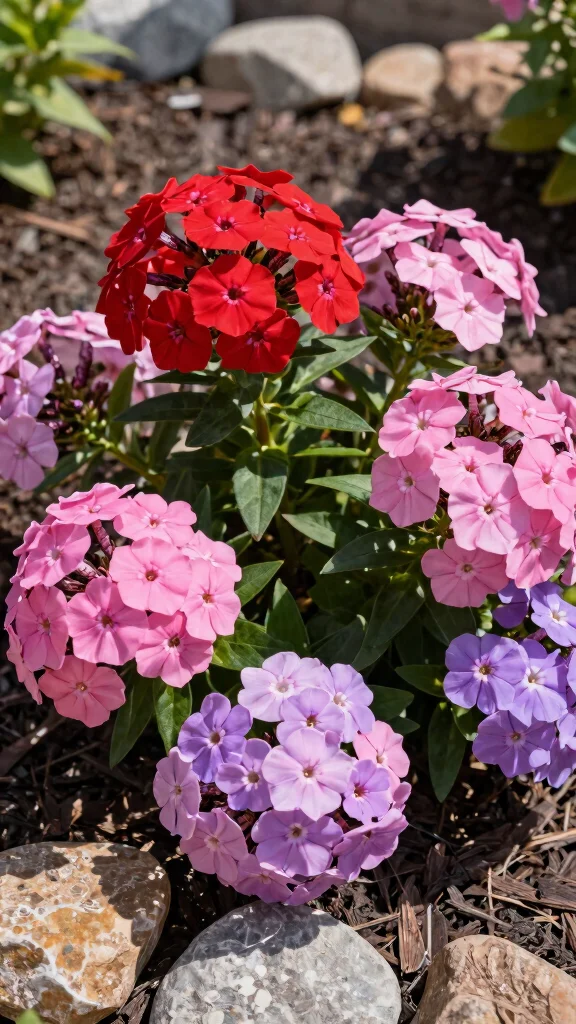
Phlox are adored for their brilliant colors and delightful fragrance. These perennial flowers flourish in full sun and adapt well to different soil types, making them a fantastic choice for low-maintenance gardens. With clusters of blooms ranging from vivid pinks to deep reds, they create striking combinations that elevate your garden’s appeal.
To enhance your garden design, consider combining Phlox with low-growing ground covers for a layered effect. Mixing different colors can create a colorful show that captivates the eye.
Pairing suggestions:
– Use them alongside ornamental grasses for contrast.
– Arrange in clusters for a vibrant display.
Phlox not only beautify your garden but also attract hummingbirds and butterflies, creating a lively environment full of activity.
Graceful Phlox
Editor’s Choice
Back to the Roots 25.7qt (1 Cubic ft) Organic Premium Mulch

Down To Earth All Natural Fertilizers Organic Flower Garden – Plant Food…
10. Hardy Yarrow

Yarrow is a versatile perennial with distinctive fern-like leaves and clusters of tiny flowers. Available in colors from white to bright yellow, Yarrow adds an interesting texture to your flower bed. This hardy plant thrives in full sun and is drought-tolerant, making it an ideal choice for gardeners seeking low-maintenance options.
To create a natural look, use Yarrow in the background of your flower bed. Pairing it with colorful annuals can enhance the overall aesthetic while providing a stunning mix of colors and textures.
Design ideas:
– Use Yarrow as a filler for gaps in your garden.
– Combine with other perennials for a layered effect.
With its ability to tolerate various soil conditions, Yarrow is an excellent choice for those looking for resilient yet beautiful flowers in their garden.
Fun fact: Yarrow thrives in full sun with watering 1 time per week, making it ideal for front flower bed ideas full sun. Its drought tolerance keeps colors steady, while fern-like leaves add texture. Plant it in the background and pair with annuals for easy, natural beauty.
Hardy Yarrow
Editor’s Choice

Sow Right Seeds – Pastel Mix Yarrow Seeds for Planting – Vibrant Yarrow …
Conclusion
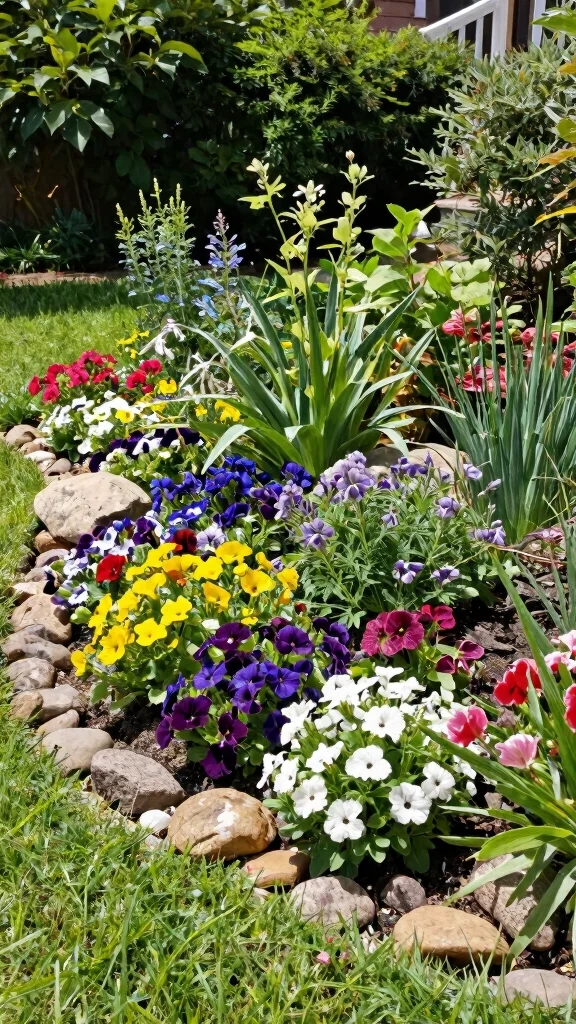
Creating a stunning front flower bed in full sun doesn’t have to be a chore. 🌻 With the right selection of low-maintenance perennials, you can enjoy a vibrant display of colors and textures all season long.
From cheerful Rudbeckia to elegant Shasta Daisies, the options are endless and cater to every style. Consider these ideas to make your front yard a beautiful retreat with minimal effort. Get started on your floral journey and let your garden shine!
Note: We aim to provide accurate product links, but some may occasionally expire or become unavailable. If this happens, please search directly on Amazon for the product or a suitable alternative.
This post contains Amazon affiliate links, meaning we may earn a small commission if you purchase through our links, at no extra cost to you.
Frequently Asked Questions
What are the best front flower bed ideas for full sun that thrive with minimal effort?
For front flower bed ideas full sun that thrive with almost no effort, start with long-term perennial flower options and smart groupings.
Plant a tall backbone like Heliopsis or Echinacea at the back, mid-height varieties such as Coreopsis and Gaillardia in the middle, and low-growing low-maintenance flowers like Sedum along the edge.
Mulch 2-3 inches to suppress weeds and retain moisture, and lay a simple drip irrigation line or soaker hose for deep, infrequent watering.
Deadhead spent blooms to encourage continuous flowering and avoid heavy pruning. With these steps, your front yard landscaping can stay vibrant year after year with minimal effort.
Which drought-tolerant plants and perennial flower options work best for front yard landscaping in full sun?
Great choices include Echinacea (coneflowers), Gaillardia (blanket flower), Sedum, Coreopsis, Rudbeckia (black-eyed Susan), Heliopsis (false sunflower), Salvia nemorosa, and Agastache (hyssop). These drought-tolerant plants shine in full sun, require little water once established, and provide long seasons of color. Plant in groups of 3-5 of the same species for impact, mix with a few grasses or foliage tones, mulch heavily, and install drip irrigation to cut watering. For front flower bed ideas full sun, aim for 2-3 complementary colors and repeat the same plants in blocks to simplify maintenance.
How can I create colorful flower combinations in a full-sun front bed without increasing maintenance?
Keep it simple and high-impact with repetition, contrast, and staggered bloom times. Choose a 2-3 color palette and repeat it across the bed using 2-5 plants per group. Select perennial flower options that bloom at different times (early, mid, late season) so you don’t have to replant often. Pair bold color contrasts (for example, yellows with purples or pinks with blues) and add foliage texture with ornamental grasses or silver-toned leaves for year-round interest. A tall back layer, a mid-height middle, and a low edging mix makes the bed look intentional with minimal upkeep.
What are some practical low-maintenance flowers and groundcovers to fill space in a front yard landscaping project?
Create a breeze-friendly mix with sun-loving perennials and robust groundcovers. Consider Sedum varieties for low-water backbone, Coreopsis, Echinacea, Gaillardia, Rudbeckia, and Lavandula (lavender) for color and fragrance. For groundcovers, try creeping thyme, Sedum spurium (stonecrop), and creeping phlox in sunny spots. Use 2-3 inch mulch to suppress weeds and a simple drip system to keep maintenance minimal while maintaining vibrant front yard landscaping in full sun.
What steps should I take to prepare soil and water for front flower bed ideas full sun to thrive with no extra effort?
Begin with a simple soil check and amend with compost or organic matter to improve drainage and structure. Improve drainage if needed and ensure the bed has sun exposure for most of the day. Apply a 2-3 inch layer of mulch to conserve moisture and suppress weeds. Install a basic drip irrigation line or timer for efficient watering, especially during establishment. Plant in spring after the last frost, group plants in odd numbers for a natural look, and apply a slow-release fertilizer in early spring. With solid soil, smart watering, and mulch, your front flower bed ideas full sun will thrive with minimal extra effort.
Related Topics
full sun flowers
low-maintenance flowers
drought-tolerant plants
colorful flower combinations
front yard landscaping
perennial flower beds
easy gardening
beginner-friendly gardening
seasonal blooms
garden design
eco-friendly gardening
landscape ideas