Gardening season is upon us, and you might be feeling the urge to organize and beautify your outdoor space. A well-defined flower bed can transform your yard, making it more inviting and polished. If you’re itching to elevate your garden’s appearance, you’re in the right place. I created this post to share some eco-friendly flower bed edging ideas that will not only tidy up your garden, but also enhance your curb appeal.
If you’re someone who loves gardening or is simply looking for ways to add charm to your outdoor decor, these ideas are for you. You’ll discover creative and sustainable options for garden borders that fit your style and budget. This guide features nine distinct ways to edge your flower beds, turning them into eye-catching designs that will impress guests and neighbors alike.
Get ready to explore practical and beautiful solutions that will inspire you. Each idea is designed to help you achieve a neat and polished look while being mindful of the environment. Whether you’re a beginner gardener or a seasoned expert, these flower bed edging ideas will provide fresh inspiration to take your garden to the next level.
Key Takeaways
– Discover nine eco-friendly flower bed edging ideas to enhance your garden’s appearance and organization.
– Learn how natural materials like stone and wood can create a rustic look while being sustainable.
– Explore modern options like eco-friendly metal edging for a sleek and contemporary touch.
– Find out how living plants can double as edging, adding both beauty and functionality to your garden.
– Understand the importance of curb appeal and how these simple changes can significantly elevate your outdoor decor.
1. Natural Stone Borders

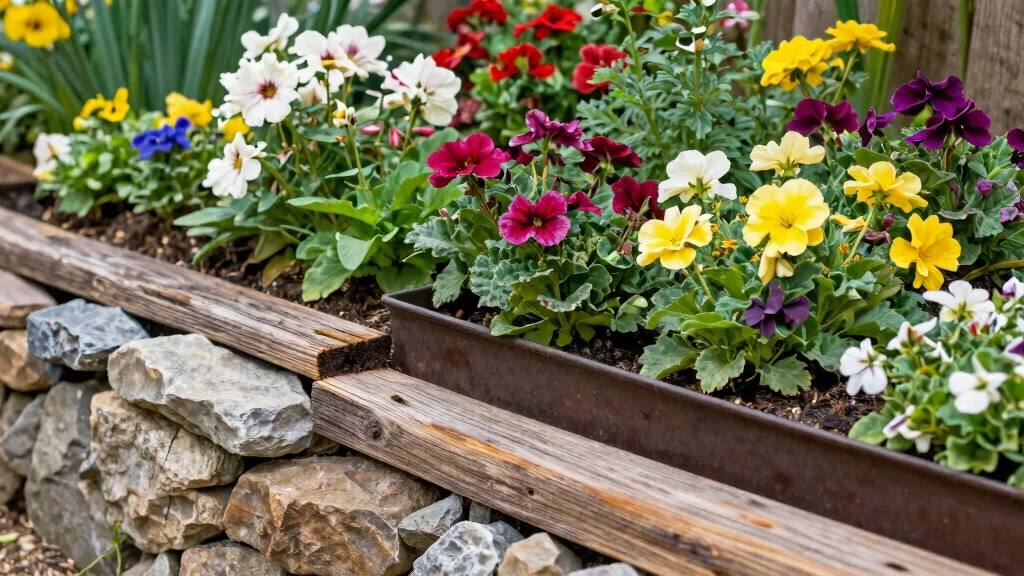
Natural stone borders offer a rustic yet elegant solution for your flower beds. You can choose between rough-cut or smooth stones that create a beautiful contrast with the vibrant hues of your flowers. Not only do these stones enhance visual appeal, but they also provide a long-lasting, low-maintenance option for dedicated gardeners.
Consider selecting stones in various sizes and shapes for added creativity. Arrange them to follow the natural curves of your flower bed, making the design feel more organic. Mixing different types of stones can also introduce texture and depth.
Key tips for using natural stone borders:
– Select stones that harmonize with your garden’s color scheme.
– Position stones in a flowing pattern for a more natural appearance.
– Incorporate native plants within the stone border to foster local wildlife.
Using natural stones can elevate your garden’s charm while promoting a more sustainable environment.
Fun Fact: Natural stone borders can last 50+ years with minimal maintenance. Mixing rough-cut and smooth stones creates natural curves that highlight blooms and cut maintenance time. For an eco-friendly, polished look, follow the bed’s natural contours.
Natural Stone Borders
Editor’s Choice

EasyFlex No-Dig Landscape Edging with Anchoring Spikes, 2.7 in Tall Deco…

2. Upcycled Wood Edging

Using upcycled wood for flower bed edging adds unique character to your garden while showcasing your eco-friendly values. Repurposing old fence posts, pallets, or wooden crates introduces warmth and a rustic feel to your outdoor space. This approach not only looks great but also contributes to sustainability.
Ensure the wood is treated for outdoor use to extend its lifespan. Smooth out rough edges for a polished appearance and consider staining or painting it for extra protection and style.
Effective strategies for upcycled wood edging:
– Choose durable wood types to resist decay.
– Create a charming border that complements your garden’s design.
– Incorporate this edging into cottage-style gardens for a cohesive look.
This eco-conscious choice allows you to save costs while adding beauty to your gardening experience.
📹 Related Video: Instead of buying cheap plastic landscape edging, try this.
Key Trade-offs & Our Top Pick
1. Natural Stone Borders
– Pros:
– Adds a natural, rustic look to your garden. ✔
– Highly durable and weather-resistant.
– Cons:
– Can be expensive depending on the type of stone used.
– Heavy and may require professional installation.
– Best for: Areas where you want a timeless, elegant feel.
2. Upcycled Wood Edging
– Pros:
– Eco-friendly and budget-friendly, especially if you use old pallets. 💡
– Easy to install and replace.
– Cons:
– Wood can rot over time and may require regular maintenance.
– Not ideal in areas with high moisture.
– Best for: DIY enthusiasts looking for a creative and sustainable option.
3. Eco-Friendly Metal Edging
– Pros:
– Sleek, modern look and highly durable. 🚀
– Rust-resistant materials can last for years.
– Cons:
– Can be more expensive than wood options.
– Installation may require special tools or skills.
– Best for: Homeowners who prefer a contemporary look and low maintenance.
4. Brick Borders
– Pros:
– Classic and charming appearance that enhances curb appeal.
– Very durable and can withstand various weather conditions. ✔
– Cons:
– Labor-intensive to install, especially for curved edges.
– Can be costly if using high-quality bricks.
– Best for: Traditional gardens wanting a timeless aesthetic.
5. Living Edging with Plants
– Pros:
– Creates an organic, vibrant border with seasonal color.
– Attracts pollinators and helps with soil health. 🌼
– Cons:
– Requires regular maintenance like pruning and watering.
– Takes time to grow into a lush border.
– Best for: Gardeners looking to incorporate biodiversity into their designs.
Expert Recommendation:
Best Overall: Upcycled Wood Edging
This option strikes a great balance between cost, ease of installation, and eco-friendliness. Upcycled wood is accessible for DIYers and offers a charming look without breaking the bank. There’s also a personal touch when using materials you’ve salvaged!
Why We Picked This:
While upcycled wood edging is a solid choice, some may prefer the durability of stone or the sleekness of metal for low-maintenance gardens. Others who love plants might lean toward living borders for their beauty and ecological benefits. Each option has unique strengths, so consider your garden’s needs, your budget, and the time you can commit to maintenance before making a choice!
Upcycled Wood Edging
Editor’s Choice

Romeda 8-Pack Sanding Sponge, Four Grits Per Pack 60/80/120/220, Washabl…

Littlefair’s Wood Stain Water Based – 8.5oz/250ml – Indoor Furniture Sta…
3. Eco-Friendly Metal Edging

Eco-friendly metal edging, such as corten steel or aluminum, introduces a sleek and modern aesthetic to your flower beds. These materials not only look stylish, but they are also built for durability, offering long-lasting results. Corten steel even develops a unique patina over time, enhancing its natural appeal.
Opt for lightweight metal options to facilitate easy installation. Always check that the metal is free from harmful coatings to protect your garden environment. Use metal edging to achieve sharp lines and geometric designs for a contemporary feel.
Considerations for eco-friendly metal edging:
– Choose rust-resistant materials for longevity.
– Employ edging to create defined shapes and patterns.
– Pair with modern plants for a cohesive garden look.
This stylish choice enhances your garden’s design while ensuring sustainability.
Eco-Friendly Metal Edging
Editor’s Choice

LAVEVE Corrugated Metal Garden Edging 6″ x 40Ft, Landscape Edging Border…
LAVEVE Corrugated Metal Garden Edging 6″ x 40Ft, Landscape Edging Border…

9.6ft L x 3.9in H Landscape Edging – Sturdy Anti-Corrosive Wood Garden E…
4. Brick Borders

Brick borders provide a classic elegance that works well with various garden styles, from traditional to contemporary. By using reclaimed bricks, you not only embrace sustainability but also create a sturdy framework that adds charm to your flower beds. The diverse colors and textures of bricks bring depth to your landscape.
Experiment with laying bricks in interesting patterns, like herringbone, to elevate sophistication. Mixing different brick sizes can also create a more dynamic appearance. Pairing bricks with gravel or pebbles introduces a stylish contrast.
Ways to enhance your garden with brick borders:
– Use reclaimed bricks to promote sustainability.
– Create visually appealing patterns for added interest.
– Combine with other materials for a unique edge.
This timeless option can beautifully contain your flowers while significantly boosting your garden’s curb appeal.
Fun fact: choosing reclaimed bricks for brick borders can cut waste by up to 60% and still deliver classic charm to your flower bed edging ideas. Pattern tricks like herringbone add sophistication without breaking the budget.
Brick Borders
Editor’s Choice

Brick Liner Runner, 2PCS Brick Liner Plumber Tools, Bricklayer Tools, Br…

Arcadia Garden Products Set of 4, 16×17” Dark Gray Stepping Stone Fibe…
5. Living Edging with Plants

Why not use plants as edging for your flower beds? Living borders are not only aesthetically pleasing but also promote sustainability in your garden. Selecting low-growing perennials or herbs allows you to create an eco-friendly border that benefits pollinators. Plants like lavender and creeping thyme add fragrance and texture to your landscape.
Choosing plants that thrive in your local climate ensures success. Incorporate species with contrasting foliage for clearer boundaries. Regular maintenance, like trimming, will keep your living edge looking tidy.
Tips for implementing living edging:
– Opt for hardy plants that suit your garden’s conditions.
– Use contrasting plants for visual clarity.
– Maintain regularly for a polished appearance.
This approach creates a seamless transition between flower beds and the rest of your garden while enhancing biodiversity.
You might also like
Living Edging with Plants
Editor’s Choice

20000+Creeping Thyme Seeds for Planting Outdoor-Heirloom Thymus Serpyllu…

COCORRÍNA Reed Diffuser – Lavender Garden 6.7 Fl.oz Reed Diffuser Set w…
Low Growing Wildflower Seeds Mix – 1oz, 6-12 Inches Short Flowers – No…
6. Pebble and Gravel Borders

If you prefer a relaxed vibe, pebble or gravel edging can introduce unique texture to your garden beds. This option is easy to install and highly versatile, allowing you to choose from various sizes and colors to suit your style.
Utilizing landscape fabric beneath the pebbles helps prevent weed growth. Creating a gentle slope ensures proper drainage and avoids water pooling in the flower bed. Mix larger stones with pebbles for a more dynamic look.
Ways to make the most of pebble and gravel borders:
– Choose pebbles that match your overall garden theme.
– Ensure proper drainage by sloping the edges.
– Combine with larger stones for added visual appeal.
This informal approach works wonderfully in Mediterranean or coastal gardens, defining your flower space beautifully.
Pebble and Gravel Borders
Editor’s Choice

Arqlite Smart Gravel | Eco-Friendly Plant Drainage for Healthy Roots | P…

GASPRO 15lb Natural River Rocks Decorative Rocks for Plants and Garden L…

LAVEVE 4FT x 100FT Weed Barrier Landscape Fabric, 3.2oz Premium Heavy Du…
7. Recycled Tire Edging

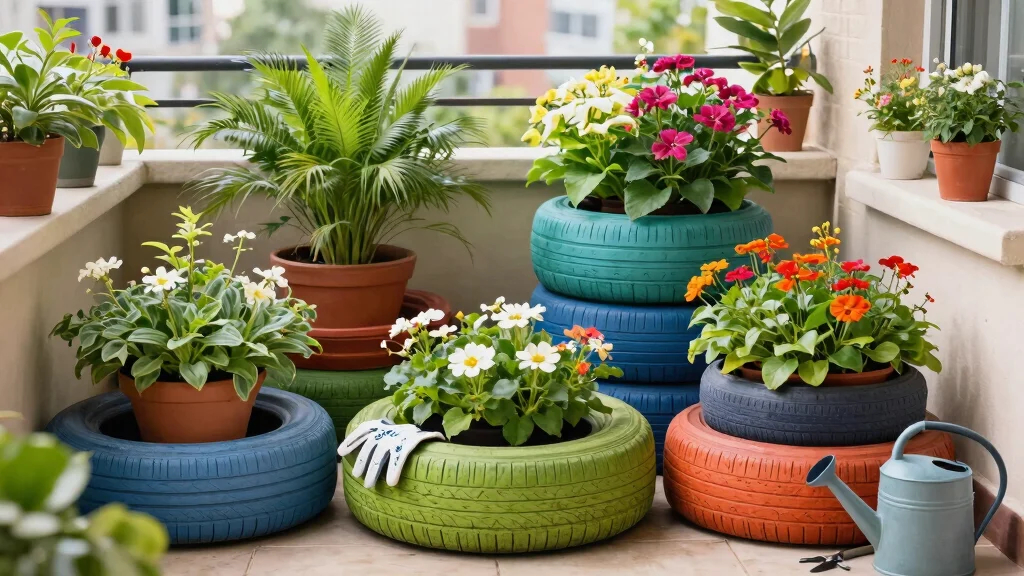
For a creative and eco-friendly option, consider recycled tire edging. Utilizing old tires helps reduce waste while providing flexible and durable borders for your flower beds. You can cut tires in half for rounded edges or stack them for a raised bed effect.
Add a splash of color by painting the tires in bright shades to enhance your garden’s personality. Burying part of the tire creates a subtle border while still using its structure. Filling tires with soil allows you to plant flowers directly inside for a unique focal point.
Creative ideas for incorporating recycled tires:
– Paint tires in vibrant colors for a fun touch.
– Bury them partially for a discreet border.
– Plant directly in tires for added visual interest.
This playful choice not only supports sustainability but also adds quirky charm to your outdoor space.
Recycled Tire Edging
Editor’s Choice

Edger Lawn Tool 41in Border Edger with Tempered Spring Steel Blade Long …
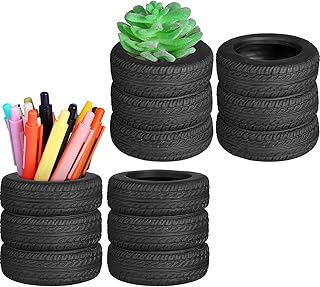
Crtiin 4 Pcs Tire Shaped Pen Holder Car Tire Planter Holder for Men Mech…
Dupli-Color TP101 Tire Paint – Black Spray Paint – 11 oz. Aerosol Can
8. Bamboo Edging

Bamboo edging introduces an exotic flair while being a sustainable choice for your garden. Lightweight and flexible, bamboo is also incredibly durable, making it perfect for defining flower beds. Its natural appearance complements both tropical and naturalistic designs.
Opt for treated bamboo to enhance longevity and weather resistance. Arranging bamboo in a staggered pattern creates a more organic look. Pairing bamboo with lush plants adds to the harmonious aesthetic.
Tips for effectively using bamboo edging:
– Use treated bamboo for extended durability.
– Create an organic look with staggered arrangements.
– Combine with vibrant plants for a cohesive design.
This eco-friendly choice enhances tranquility in your garden, making it a peaceful retreat.
You Might Also Like
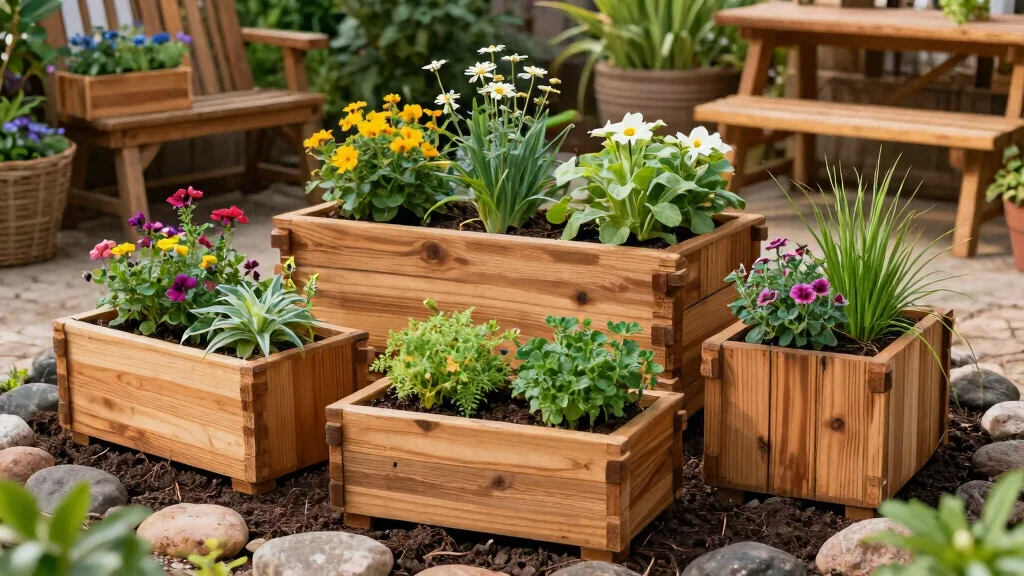
Bamboo Edging
Editor’s Choice

FOREVER BAMBOO Natural Eucalyptus Wood Solid Log for Garden Edging Lawn …

Spade Shovel Garden Flat Trenching Shovel for Digging Gardening Planting…
9. Concrete Edging
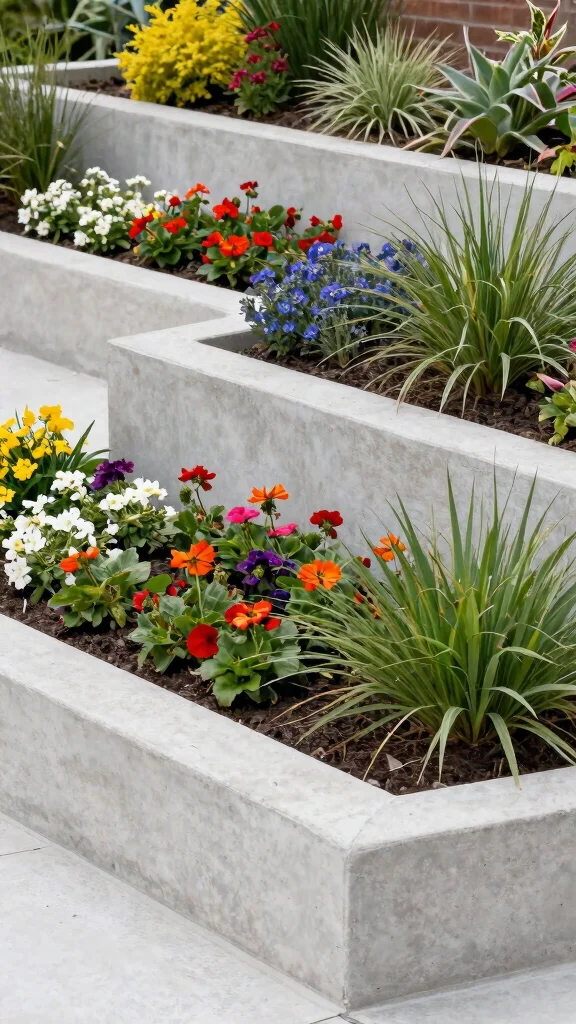
Concrete edging provides a modern and durable option for your flower beds. By utilizing eco-friendly concrete mixes, you can achieve clean lines that define your floral space while being mindful of your environmental footprint. This approach suits contemporary garden designs perfectly.
Incorporate colored concrete to add a personalized touch to your borders. Using molds allows you to create unique shapes for added flair. Pairing concrete borders with stylish plants, like ornamental grasses, enhances the overall visual appeal.
Effective strategies for using concrete edging:
– Choose eco-friendly mixes for sustainability.
– Use molds for creative shapes and designs.
– Pair with contemporary plants for a polished look.
This option not only provides structure but also elevates your garden’s aesthetics, resulting in a professional appearance.
Fun fact: Eco-friendly concrete mixes can cut embodied carbon by up to 40%, giving you durable, clean-edged borders for flower bed edging ideas. Colorful molds let you shape modern borders with ornamental grass for a polished, low-maintenance garden.
Concrete Edging
Editor’s Choice
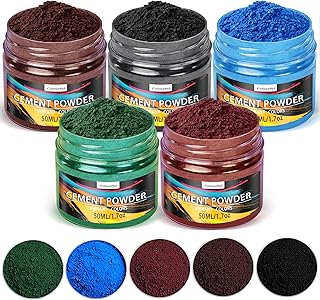
5 Colors Matte Iron Oxide Pigment Powder, Concrete dye, Grout Colorant, …
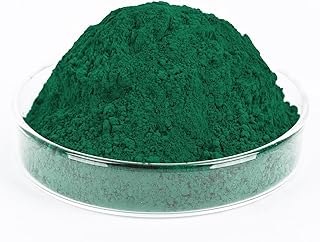
GOODTAKE Concrete Pigment, Green Iron Oxide Pigment Powder, Concrete Cem…

SvitMolds Set of 4 Plastic Concrete Curb Molds – Reusable Garden Edgin…
Conclusion

Choosing the right flower bed edging can significantly enhance your garden’s appeal and sustainability.
From natural stones to upcycled materials, the options are endless. Each edging idea not only defines your floral space but also complements the overall design while being kind to the environment. Take inspiration from these ideas to create a garden that reflects your personality and values. Let your creativity shine, and don’t forget to share your favorite flower bed edging ideas with fellow gardening enthusiasts!
Note: We aim to provide accurate product links, but some may occasionally expire or become unavailable. If this happens, please search directly on Amazon for the product or a suitable alternative.
This post contains Amazon affiliate links, meaning we may earn a small commission if you purchase through our links, at no extra cost to you.
Frequently Asked Questions
What are the best eco-friendly flower bed edging ideas to keep garden borders neat?
Eco-friendly edging focuses on sustainable materials and simple installation that preserves soil health and reduces waste. Great options include local stone or cobbles, reclaimed brick or weathered timber, and corten steel or other durable metals that age well without much maintenance.
You can also create a living edge with low-growing groundcovers like creeping thyme or mondo grass for a soft, natural look while improving biodiversity.
To install: measure your bed line, dig a shallow trench about 2-3 inches deep, place the edging along the marked line, and backfill; keep it slightly above soil grade to suppress weeds and keep mulch in place.
For a quick win, pair edging with a mulch layer and plant a compact border to boost curb appeal and flower bed designs.
How can I create garden borders using recycled or salvaged materials without looking DIY messy?
The key is planning and consistency. Start with 2-3 materials that complement your garden colors and surroundings. Examples: weathered bricks, repurposed timber, river rocks, or salvaged metal edging.
Lay them in a straight line with a shallow trench, using a small garden trowel and a rubber mallet to keep pieces snug.
Fill gaps with soil and then mulch. Keep the top edge flush with soil for a neat look, and install a narrow border of mulch or gravel to prevent weed growth.
This approach makes garden borders look intentional and stylish, a win for flower bed designs and curb appeal without harming the environment.
What landscaping tips help boost curb appeal with eco-friendly edging?
Start by defining a clean bed shape that fits your yard’s flow. Use edge materials that complement your home and surrounding plants; native or drought-tolerant plants reduce water use and look great year-round.
Mulch to suppress weeds and darken soil; choose a mulch color that highlights your edge.
Add a couple of statement pieces for outdoor decor—solar lights, a small statue, or a birdbath—without clutter.
Finally, maintain the line each season to keep the effect polished and consistent with flower bed designs and garden borders.
What low-maintenance edging options work well in busy gardens?
If you want low-maintenance but polished, consider edging that lasts and requires little upkeep: corten steel or powder-coated metal for a modern look; natural stone or brick for timeless appeal; or a living edge with a creeping groundcover that’s trimmed a couple times a year.
Pair with shredded bark or mulch to smother weeds and reduce mowing around the border.
Plan to inspect every season for shifting pieces and re-edge as needed so your garden borders stay crisp with minimal effort, boosting curb appeal and improving flower bed designs.
How do I pick the right edging style for my space and climate?
Consider sun exposure, soil type, and drainage, plus how much time you want to invest in maintenance. A curved border can soften a small yard, while straight edges read as tidy in a big space.
For climate, choose durable materials that won’t weather badly in your conditions: stone or brick in freeze-thaw zones; metal edging in humid areas if you want longevity.
Always test with a small mock-up or photo plan and adjust height and color to match nearby outdoor decor and flower bed designs for cohesive curb appeal.
Related Topics
flower bed edging
garden borders
eco-friendly landscaping
outdoor decor
curb appeal
beginner friendly
DIY garden projects
landscaping tips
seasonal gardening
minimalist design
easy garden upgrades
sustainable gardening