
Creating a beautiful front yard can feel overwhelming, especially if you want to make a fantastic first impression. With so many options for flower bed designs, it can be tricky to know where to start. That’s why I put together this guide on nine stunning flower bed designs for the front of your house. Whether you’re a seasoned gardener or just dipping your toes into the world of front yard landscaping, you’ll find ideas that cater to every lifestyle and taste.
If you’re someone who values curb appeal and wants your home to stand out, this post is for you. You might be looking for low-maintenance options, colorful flower arrangements, or even ways to incorporate perennial flower beds into your design. Whatever your focus, I’ve curated the best designs that balance charm and ease of care. You’ll walk away with creative inspiration and practical tips that make enhancing your front yard feel achievable.
In this guide, you’ll discover flower bed designs that are not only beautiful but also functional. From perennial paradises that promise year-round blooms to minimalist zen gardens that offer a touch of serenity, these ideas will help you elevate your outdoor space. Get ready to transform your front yard into a welcoming oasis that you’ll love coming home to.
Key Takeaways
– Explore nine flower bed designs that enhance curb appeal and create a lasting impression for your home.
– Discover low-maintenance options perfect for small front yards, ensuring beauty without the heavy upkeep.
– Learn about colorful layering techniques to create eye-catching flower arrangements that can brighten any space.
– Get tips on incorporating perennial flower beds for long-lasting blooms and seasonal interest.
– Find practical garden design insights that cater to various styles, from minimalist to cottage charm, ensuring there’s something for everyone.
1. Perennial Paradise: Timeless Beauty
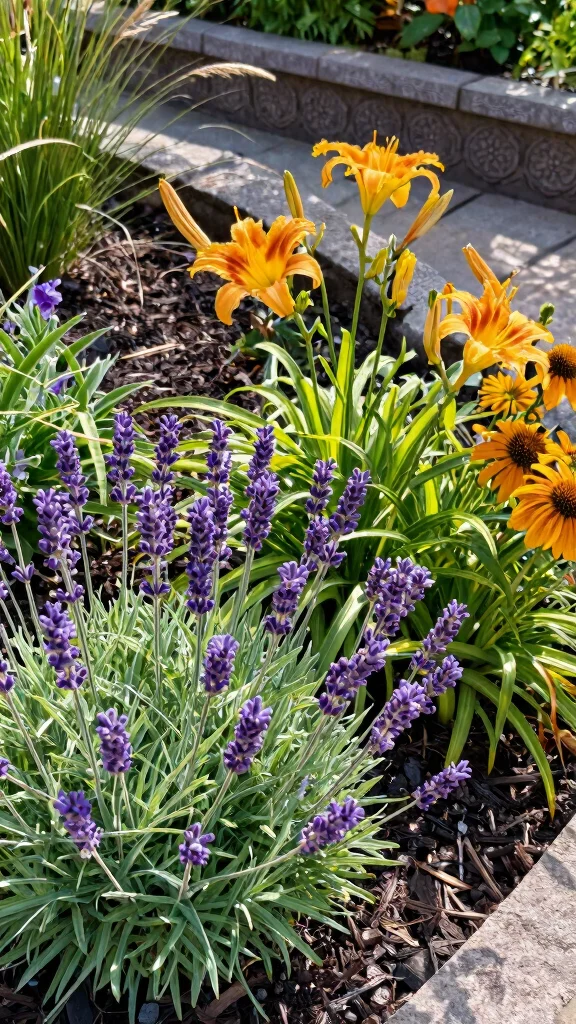
You crave a garden that blooms beautifully year after year without the hassle of replanting. Perennial flower beds fulfill this dream, showcasing vibrant colors and unique textures. By choosing a mix of lavender, daylilies, and coneflowers, your garden can evolve through the seasons, offering a delightful display every time you step outside.
To create a captivating arrangement, plant flowers that bloom at different times, ensuring continuous beauty. Regularly mulching keeps the garden healthy by retaining moisture and keeping weeds at bay. Adding ornamental grasses can introduce movement and depth to your flower bed, enhancing its visual appeal.
Key steps to design your perennial paradise:
– Select a mix of plants for year-round interest
– Position taller plants at the back for a tiered look
– Regularly mulch to maintain moisture and deter weeds
– Incorporate decorative stones for added texture
This design choice not only simplifies maintenance but also ensures your garden remains a vibrant focal point throughout the year.
Perennial Paradise: Timeless Beauty
Editor’s Choice

Garden Tools Set, 3 Pack Heavy Duty Gardening Tools Set Include Garden S…


Rubberific Premium Shredded Rubber Mulch for Gardens, Lawns, and Landsca…

HOME GROWN Non GMO English Lavender Seeds 1,500+ Wildflower Seed for Pla…
2. Colorful Layering: A Rainbow of Blooms
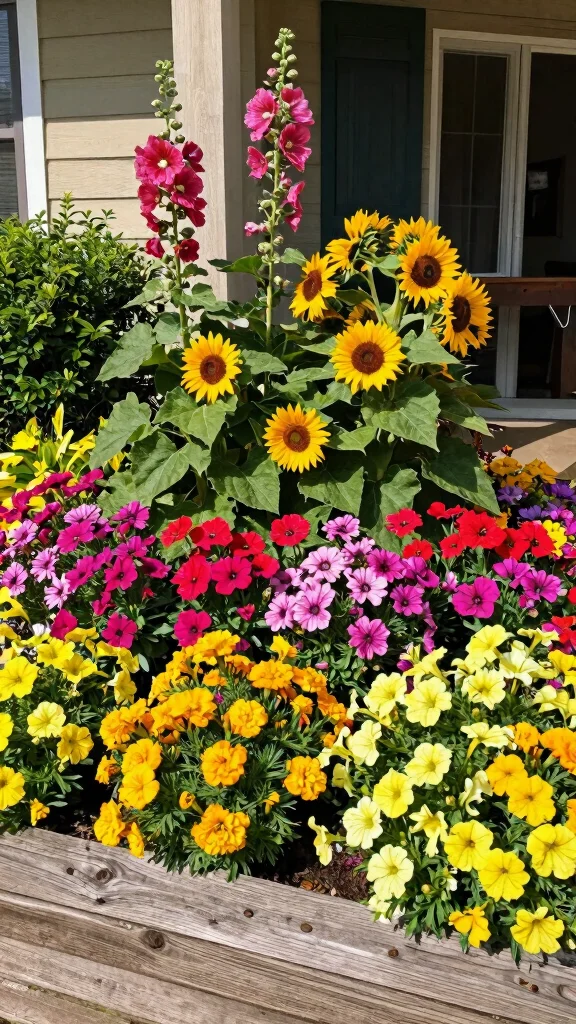
You want a flower bed that makes a bold statement and draws the eye. A colorful layered flower bed achieves just that, showcasing a variety of heights and hues that create a dynamic landscape. Start with towering plants like hollyhocks or sunflowers at the back, layering in medium flowers like zinnias and asters, and finishing with compact blooms like petunias and marigolds at the front.
This layering technique enhances visibility and ensures every flower gets its moment in the spotlight. Choose a color palette that complements your home’s exterior, using warm tones for a sunny vibe or cool shades for a serene atmosphere. Including flowering shrubs can add depth and diversity to your design.
Steps to build your colorful layered bed:
– Arrange plants by height for a stunning effect
– Choose colors that harmonize with your home
– Add flowering shrubs for extra texture
– Regularly deadhead to keep blooms vibrant
With this design, your flower bed will be a lively showcase, captivating everyone who passes by.
Colorful Layering: A Rainbow of Blooms
Editor’s Choice

Grenebo Gardening Tools 9-Piece Heavy Duty Garden Hand Tools with Fashio…

Espoma Organic Flower-Tone 3-4-5 Natural & Organic Plant Food; 4 lb. Bag…
3. Rock Garden Charm: Low Maintenance Magic
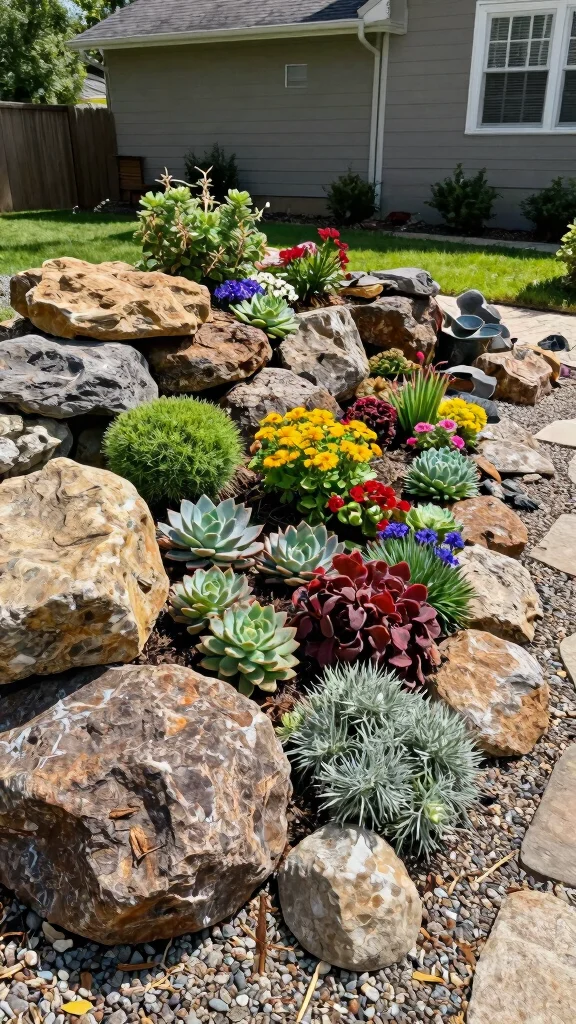
You want a front yard that’s beautiful yet requires minimal upkeep. Rock gardens offer a stunning solution, blending hardy plants with textured rocks for an eye-catching landscape. Use resilient varieties like succulents, sedums, and alpine flowers that thrive in dry conditions and poor soil.
Arrange rocks in natural formations, creating pathways for visual interest and texture. Incorporating decorative pebbles adds an extra layer of charm to the design. Plus, rock gardens are often drought-resistant, making them ideal for low-water regions.
Tips to create your rock garden:
– Select drought-tolerant plants for easy care
– Arrange rocks naturally for a realistic feel
– Use larger boulders as focal points
– Consider decorative gravel for added texture
This approach not only enhances your home’s curb appeal but also encourages a simple yet stylish outdoor space.
Rock Garden Charm: Low Maintenance Magic
Editor’s Choice

Wildflower Seeds Bulk Mix – 10,000+ Perennial & Annual Seeds – Texas, Ca…

Drought-Tolerant Plants: An Easy-to-Understand Guide to Choosing the Rig…

ZOOFOX 10lb Natural Rocks Stones, Small Washed Gravel for Terrariums, Su…
4. Edible Elegance: A Functional Flower Bed
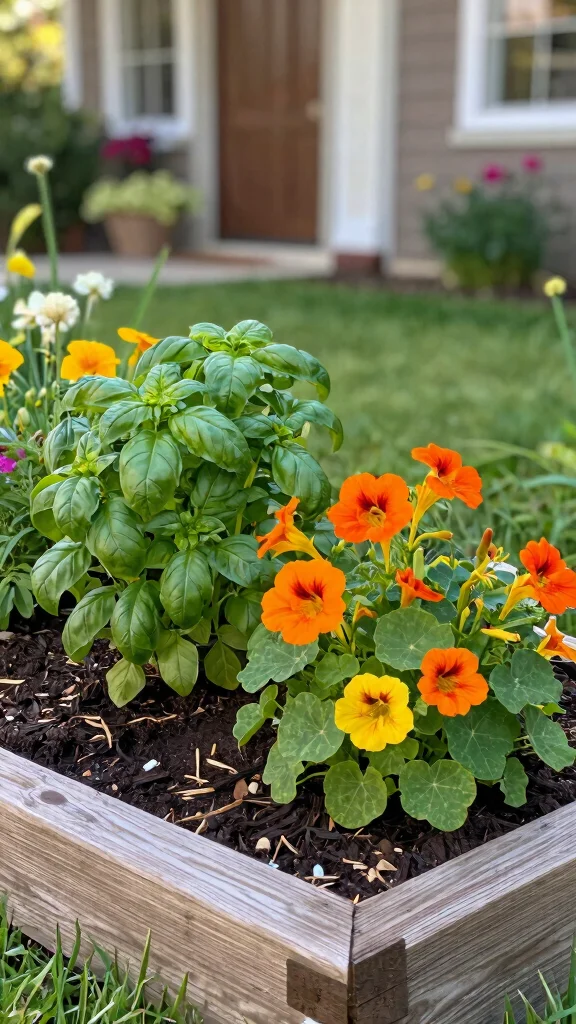
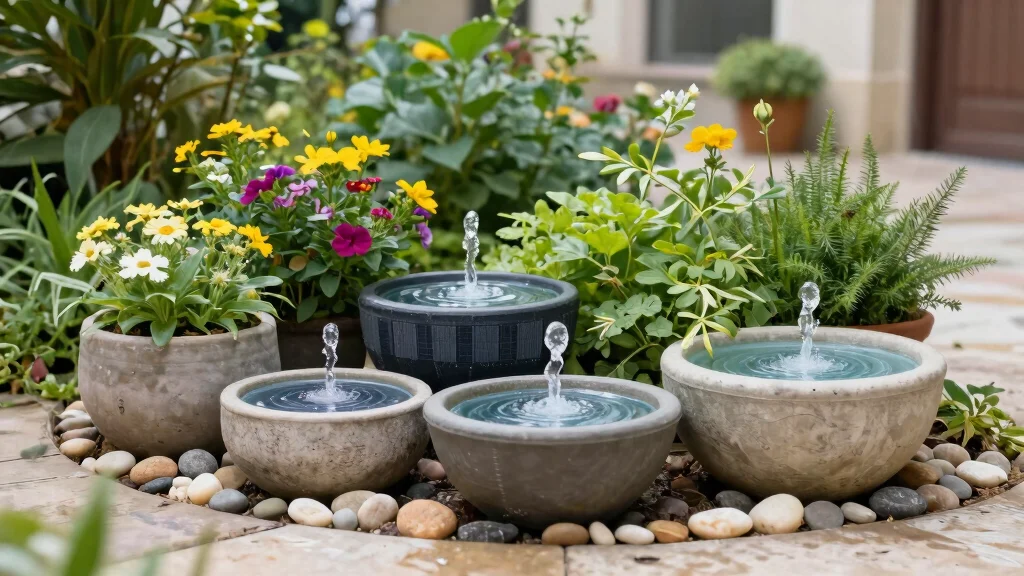
You desire a garden that combines beauty with practicality. An edible flower bed allows you to grow stunning plants that are also delicious. Consider planting herbs like basil, oregano, and chives alongside vibrant flowers like nasturtiums and calendula.
This delightful mix not only adds color to your garden but also spices up your meals! Arrange plants according to their height, placing larger varieties at the back and trailing ones in front for a balanced design. Opt for colorful edible flowers to create a visually appealing display.
Steps to design your edible flower bed:
– Mix herbs with flowering plants for beauty and utility
– Arrange by height for a cohesive look
– Choose colorful varieties for visual interest
– Regularly harvest to promote new growth
This garden not only beautifies your space but also provides fresh ingredients for your kitchen.
Edible beds prove you don’t sacrifice beauty for practicality. When your front yard blends herbs like basil and chives with calendula, you gain color, flavor, and curb appeal—without extra upkeep. With flower bed designs for front of house, you’ll harvest dinner in minutes.
Edible Elegance: A Functional Flower Bed
Editor’s Choice

Organic Liquid Indoor Plant Food, Houseplant, Tropical & All-Purpose Ind…

Ahopegarden Indoor Garden Hydroponics Growing System: 10 Pods Plant Germ…

Backyard Expressions Wooden Raised Garden Bed | 48″ x 24″ x 30″ Elevated…
5. Vertical Gardens: Going Up!

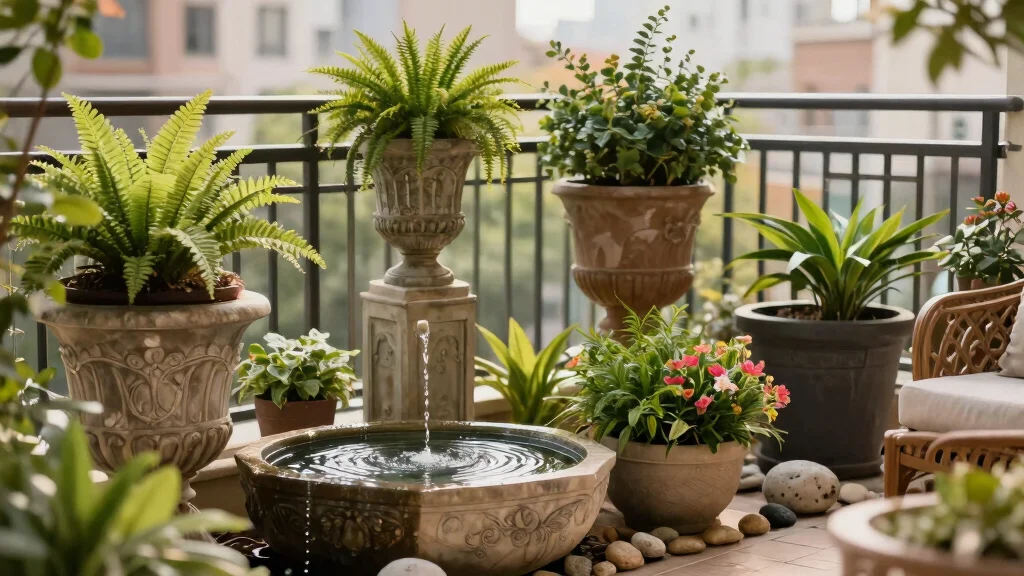
You want to make the most of limited yard space while still enjoying vibrant blooms. Vertical gardens are the perfect solution, utilizing wall-mounted planters or trellises to create stunning displays. Choose climbing plants like morning glories or clematis that thrive against vertical surfaces.
Adding trailing plants such as ivy or ferns enhances depth and texture, creating a lush environment. Keep these gardens healthy with regular watering and sunlight, and watch for pests to keep your plants thriving.
Key actions for your vertical garden:
– Use wall-mounted planters for space efficiency
– Select climbing plants that suit your climate
– Mix trailing plants for added interest
– Maintain regularly for a flourishing display
This design not only beautifies your home but also contributes to improved air quality.
📹 Related Video: No need for a garden – Turn your wall into a delicious vegetable garden!
You might also like
Vertical Gardens: Going Up!
Editor’s Choice

RUBFAC 7.8ft Garden Arch Trellis for Climbing Plants Outdoor, Metal Arch…

Sggvecsy Fake Hanging Plants 2 Pcs Artificial Hanging Plants Fake Ivy Vi…

TOREVSIOR 5-Tier Vertical Raised Garden Bed, Vertical Garden Planter wit…
6. Seasonal Surprise: Year-Round Interest

You want a flower bed that captivates throughout the seasons. Crafting a garden with evergreens, bulbs, and seasonal blooms creates a dynamic landscape that continually evolves. Start with spring bulbs like tulips and daffodils for early color, followed by summer favorites like roses and daylilies, and finish with autumn beauties such as asters and chrysanthemums.
Incorporate evergreen plants to maintain vibrancy in winter, using boxwood or holly for year-round interest. This thoughtful arrangement not only enhances beauty but also supports local wildlife.
Tips for your seasonal flower bed:
– Choose plants that bloom in different seasons
– Mix heights for visual appeal
– Include evergreens for winter interest
– Plan for diverse textures and colors
With careful planning, your garden will be a breathtaking retreat all year long.
Fun fact: For flower bed designs for front of house, a year-round mix can deliver color for about 9–10 months with evergreens, bulbs, and seasonal blooms. Start with spring bulbs like tulips and daffodils, then roses and daylilies, finishing with asters for autumn.
Top Varieties for Different Conditions
1. Lavender (Lavandula angustifolia)
– Best conditions: Thrives in full sun and well-drained soil, perfect for hot and dry climates.
– Key features: Lavender offers stunning purple blooms and a delightful fragrance. It is also drought-resistant, making it ideal for low-maintenance flower bed designs.
– Considerations: While it can tolerate poor soil, it doesn’t do well in overly wet conditions. Regular pruning helps maintain its shape.
2. Coneflower (Echinacea)
– Best conditions: Grows well in temperate regions with full sun and moderate soil moisture.
– Key features: Coneflowers are hardy perennials that attract pollinators. Their daisy-like flowers come in vibrant colors, boosting curb appeal.
– Considerations: They can be susceptible to root rot in overly moist soil, so ensure proper drainage.
3. Sedum (Sedum spp.)
– Best conditions: Perfect for hot and dry areas. Thrives in poor soil with full sun exposure.
– Key features: Sedum is a succulent that adds texture and color to your flower beds. It requires very little water and care, making it an excellent choice for busy homeowners.
– Considerations: While it’s drought-tolerant, it may not survive extreme winters. Use mulch to protect it during colder months.
4. Daylily (Hemerocallis)
– Best conditions: Handles various climates and prefers well-drained soil in full sun to partial shade.
– Key features: Daylilies produce a burst of colorful blooms each year and are very hardy. They adapt well to different conditions, making them versatile for any flower bed.
– Considerations: They can spread quickly, so plan accordingly to avoid overcrowding.
5. Hostas (Hosta spp.)
– Best conditions: Ideal for shady spots and thrive in humid climates with rich, moist soil.
– Key features: Hostas provide lush foliage and come in various sizes and colors. They make excellent borders or background plants in a flower bed.
– Considerations: Slugs can be a problem. Consider using barriers or organic treatments to keep them at bay.
6. Coreopsis (Coreopsis spp.)
– Best conditions: Thrives in full sun and can handle drought once established, making it great for low-maintenance gardens.
– Key features: Coreopsis produces cheerful, daisy-like flowers over a long growing season. It’s a favorite for attracting butterflies.
– Considerations: It may need regular deadheading to keep blooms coming throughout the summer.
7. Marigold (Tagetes)
– Best conditions: Prefers sunny spots and well-drained soil; perfect for warm climates.
– Key features: Marigolds are known for their bright, bold colors and pest-repelling properties. They are easy to grow and can add immediate color to your flower beds.
– Considerations: They may require more watering than some drought-resistant varieties, especially in hot weather.
Climate/Condition Guide:
When choosing flower bed designs for the front of your house, consider your local climate. For temperate zones, opt for hardy perennials like coneflowers and daylilies. In hot and dry areas, go for drought-resistant options like sedum and lavender. If you live in a humid climate, hostas and coreopsis will thrive. Coastal regions can benefit from salt-tolerant varieties as well.
Growing Tips:
1. Always test your soil before planting to understand its pH and nutrient levels. This can help you choose the right plants.
2. Group plants with similar water and sunlight needs together to make maintenance easier.
3. Mulch your flower beds to retain moisture and suppress weeds.
Avoid:
1. Avoid planting species that require vastly different moisture levels together, as this can lead to poor growth.
2. Steer clear of overly aggressive plants that can take over and choke out your desired flowers.
Seasonal Surprise: Year-Round Interest
Editor’s Choice

Complete Spring Flower Garden | 50 Fresh Bulbs | Bloom All Spring and Su…
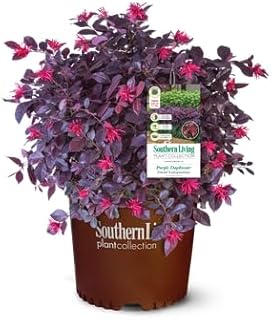
Purple Daydream Loropetalum, 1 Gallon, Compact Evergreen Bush with Pink …

HOME GROWN Autumn Beauty Sunflower Seeds to Plant 40 Heirloom Non-GMO Su…
7. Minimalist Zen: Simple Elegance
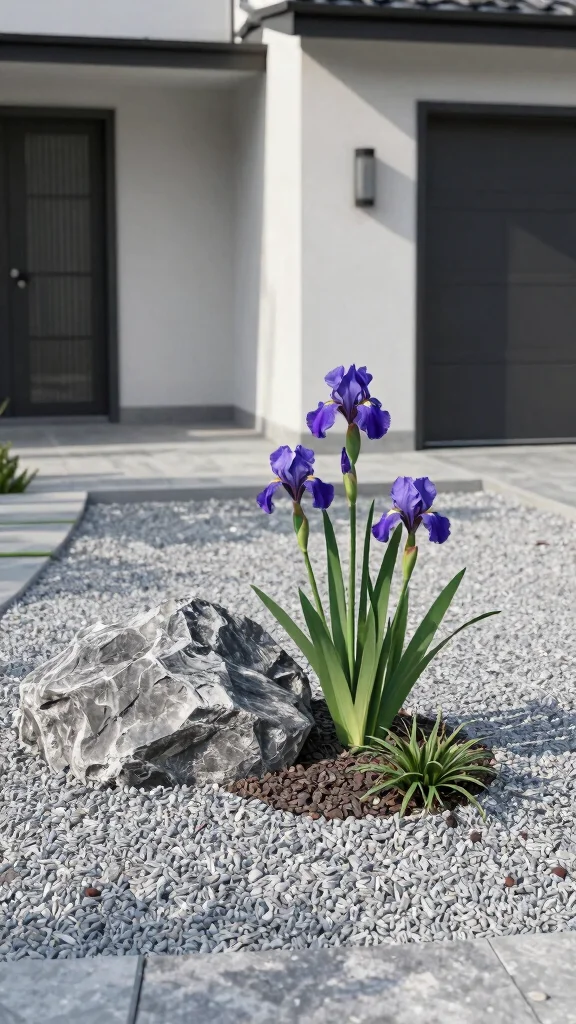
You prefer a clean aesthetic that exudes tranquility. A minimalist flower bed focuses on fewer plants, highlighting high-impact colors and simple designs for serene beauty. Choose standout plants like Japanese irises or ornamental grasses for structure and elegance.
Use decorative stones or gravel as a base to enhance the minimalist look while reducing maintenance. Planting in straight lines or geometric patterns creates a modern feel that complements your style.
Steps to create your minimalist garden:
– Select a few impactful plants for focus
– Incorporate decorative elements for texture
– Maintain with regular pruning and watering
– Use geometric patterns for a modern touch
This design works beautifully in small spaces, offering a chic statement without overwhelming the area.
Minimalist Zen: Simple Elegance
Editor’s Choice

Pink Muhly Grass – 10 Live Plants – Muhlenbergia Capillaris – Hairawn Mu…

Easy to Grow Japanese Iris Zen Garden Mix 5 Root Divisions – Colorful Fl…

40 LBS Grey Pea Gravel – Landscape Rocks – Drainage Rock – Gardening – A…
8. Cottage Charm: A Whimsical Flourish
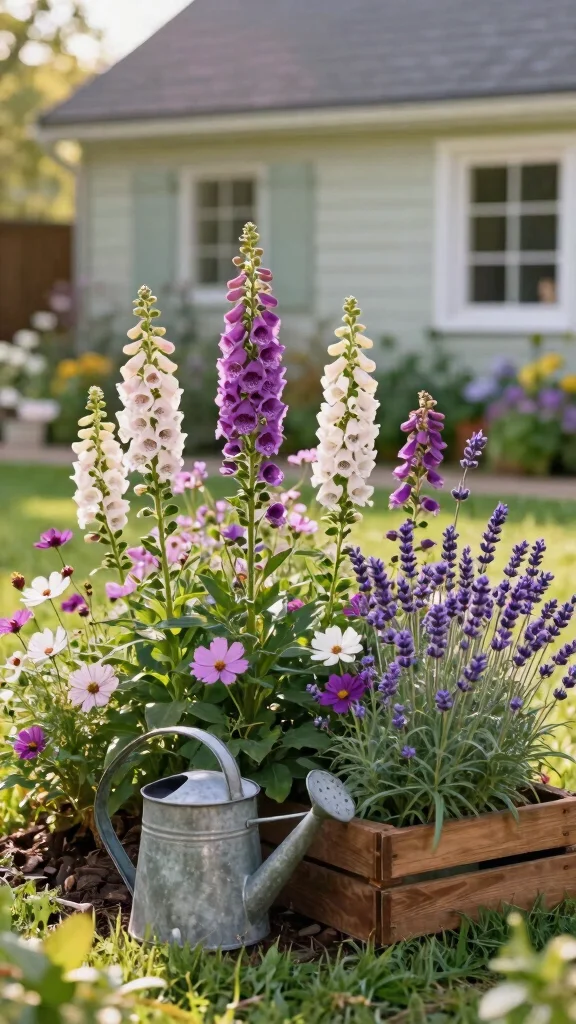
You love a garden that feels inviting and playful. A cottage-style flower bed captures attention with its charming mix of flowers, herbs, and ornamental plants. Consider a delightful combination of foxgloves, cosmos, and lavender for a romantic garden atmosphere.
Embrace diversity by mixing colors, textures, and heights to create a whimsical feel. Allow flowers to mingle freely, and add rustic elements like an old watering can or wooden crate for added charm.
Tips for your cottage garden:
– Mix a variety of plants for a lively look
– Use rustic decorations to enhance the theme
– Incorporate low-maintenance perennials for ease
– Regularly deadhead to encourage new blooms
This design thrives in smaller spaces, offering a relaxed and organic approach to flower placement.
You Might Also Like
Cottage Charm: A Whimsical Flourish
Editor’s Choice

KVR Upgraded Garden Kneeler and Seat with Thicken & Widen Soft Kneeling …

COOLJOB 6 Pairs Gardening Gloves for Women Ladies, Breathable Rubber Coa…
Grenebo Gardening Tools 9-Piece Heavy Duty Garden Hand Tools with Fashio…
9. Eco-Friendly Blooms: Sustainable Choices
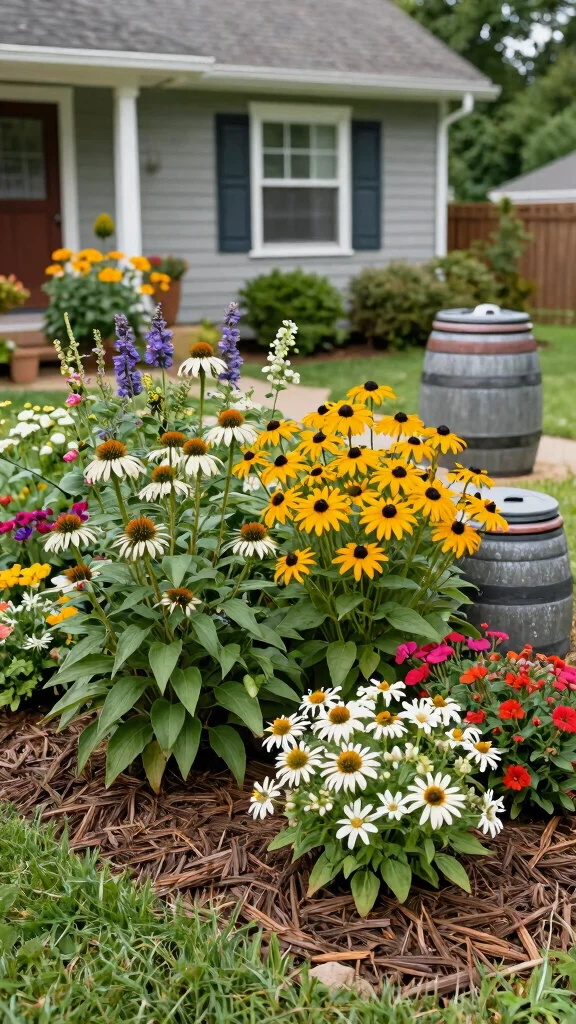
You want a garden that’s not only beautiful but also environmentally conscious. Eco-friendly flower beds allow you to create a stunning landscape while supporting sustainable practices. Choose native plants like echinacea, bee balm, and black-eyed Susans that require less water and attract pollinators.
Design your eco-friendly garden with varying heights and colors to promote biodiversity while creating visual excitement. Adding features like a rain garden or rain barrel can enhance sustainability, ensuring your plants thrive without excessive water use.
Ways to build your eco-friendly flower bed:
– Select native plants suited to your local climate
– Incorporate diverse colors and textures
– Utilize rainwater collection for irrigation
– Use organic mulch to improve soil health
This approach not only beautifies your front yard but also positively impacts the environment.
Eco friendly blooms make your front yard both beautiful and sustainable. For flower bed designs for front of house, choose native favorites like echinacea, bee balm, and black eyed Susans to save water and attract pollinators, while varying heights creates instant curb appeal.
Eco-Friendly Blooms: Sustainable Choices
Editor’s Choice

3qt Organic Orchid Potting Bark -Natural Mulch for Potted Plants, Root D…
1200+ Mixed Color Echinacea Seeds – Perennial Multi-Color Coneflower, No…

Eco-Friendly Rain Barrel – Efficient Rainwater Collection System with …
Conclusion

Transforming your front yard with these creative flower bed designs can leave a lasting impression and enhance your home’s curb appeal. Each unique approach offers a different way to express your style while providing low-maintenance options that fit your busy lifestyle. Whether you lean towards colorful layering or a more minimalist vibe, the perfect flower bed is out there waiting to bloom.
Experiment with these ideas, and watch as your front yard flourishes into a beautiful oasis that welcomes both you and your visitors.
Note: We aim to provide accurate product links, but some may occasionally expire or become unavailable. If this happens, please search directly on Amazon for the product or a suitable alternative.
This post contains Amazon affiliate links, meaning we may earn a small commission if you purchase through our links, at no extra cost to you.
Frequently Asked Questions
What are the best flower bed designs for front of house that require little maintenance?
Discover practical, high-impact ideas that stay tidy with minimal effort.
Use perennial flower beds for year‑round color and less replanting.
Create a backbone with evergreen shrubs or ornamental grasses to keep structure through all seasons.
Mulch generously to suppress weeds and conserve moisture, cutting your routine work.
Choose colorful flower arrangements that bloom at different times to maintain curb appeal ideas all year long.
Finish with a simple focal point—like a decorative pot or a neat edging—to tie the look together.
How can I improve front yard landscaping using perennial flower beds to boost curb appeal ideas?
Plan a cohesive, year‑round color palette and repeat shapes to make the space feel larger and more intentional.
For perennial flower beds, pick a few reliable varieties suited to your climate and group them in odd-numbered clusters for natural appeal.
Layer plants by height (tall at the back, medium in the middle, low in front) to create depth without crowding.
Add mulch for weed control and moisture retention, and install a simple edging to define the bed.
Pair this with smart irrigation and a light pruning schedule to keep maintenance minimal while maximizing curb appeal ideas.
Which colorful flower arrangements work best in small front yards, and how can I choose palettes that pop without feeling crowded?
For small front yards, stick to a tight colorful flower arrangements plan—2–3 harmonious colors work best. Pair warm and cool tones for contrast, and mix bloom times so color appears throughout the seasons. Use texture—foliage with interesting shapes—to keep the bed lively even when flowers aren’t blooming. Keep the layout compact with raised beds or containers to maximize color without overstuffing space. Always consider your home’s exterior and the front yard landscaping context when choosing palettes.
What garden design tips help you create low-maintenance front yard landscapes in a small space?
Start with smart plant choices and a clean layout. Measure your space, then use vertical elements and repeated shapes to create rhythm with less effort. Choose compact, drought-tolerant perennials and native grasses that fit front yard landscaping goals. Install a drip irrigation system or soaker hoses and mulch to minimize watering and weeding. Group plants by sun exposure and water needs to simplify maintenance, and keep a simple seasonal checklist to stay on top of tasks.
What are common mistakes to avoid when implementing flower bed designs for front of house?
Avoid overcrowding and selecting plants that outgrow the space; ignore sun/shade and drainage needs; skip soil prep and weed control; underestimate mature size or maintenance requirements; and neglect seasonal color planning. To fix, start with a simple layout, test soil, choose reliable perennials, and plan a realistic maintenance schedule. Align your plan with garden design tips and curb appeal ideas to keep the front of your house looking polished.
Related Topics
flower bed designs
front yard landscaping
curb appeal
low-maintenance gardens
colorful arrangements
perennial flowers
small yard ideas
easy gardening
quick curb appeal
garden design tips
beginner friendly
seasonal blooms