
Creating a beautiful outdoor space can feel overwhelming, especially if you’re just starting with gardening. That’s why I decided to put together this post on DIY flower bed border ideas. I wanted to share simple, eco-friendly options that can help you elevate your garden without breaking the bank or your back. After all, it’s amazing how a well-defined border can bring a flower bed to life and add a touch of charm to your landscape.
If you’re someone who loves to get your hands dirty, enjoys crafting, or simply wants to beautify your yard, this post is for you. Whether you’re an experienced gardener or a newbie, you probably care about making your outdoor space inviting. You’ll find that the right border can transform your flower bed from ordinary to extraordinary with just a little effort. I’ve gathered seven fantastic ideas that are easy to implement and visually stunning.
Get ready to discover creative ways to define your garden spaces. Each idea is designed to inspire you and offer practical tips that you can incorporate into your gardening routine. From upcycled materials to living plants, you’ll learn how to create beautiful borders that not only look great but also contribute to a more sustainable way of gardening. Let’s dive in and get your garden looking fabulous!
Key Takeaways
– Discover seven eco-friendly DIY flower bed border ideas that are simple to create and will enhance your garden’s appearance.
– Learn about materials like upcycled wooden pallets, stone and gravel, and recycled plastic that you can easily find or repurpose.
– Get inspired by creative garden border designs that not only look good but also align with sustainable gardening practices.
– Explore outdoor landscaping ideas that make your garden feel more structured while adding a personal touch.
– Find practical tips for implementing these easy DIY gardening projects to elevate your flower beds without stress.
1. Upcycled Wooden Pallet Edging

Looking for an affordable and eco-friendly way to edge your flower beds? Upcycled wooden pallets provide a rustic charm that can elevate your garden’s appearance. Not only are pallets often free or low-cost, but they also allow you to create a unique border that fits your style. Break down the pallets into planks, adjusting their height to suit your flower bed’s needs for a personalized touch.
To start, disassemble the pallets and sand any rough edges to prevent splinters. Arrange the cut pieces into your preferred design—whether that’s a straight line, a gentle curve, or a playful zigzag. Secure them with wooden stakes or bury part of each plank to keep everything stable.
Key steps to create your pallet edging:
– Disassemble and sand pallets for safety
– Design a layout that complements your garden
– Secure pieces with stakes or bury them for stability
With a natural, weathered finish, wooden pallet borders not only enhance your flower bed but also promote sustainability in your gardening practices.
DIY flower bed border ideas are easier than you think—starting with upcycled wooden pallets can turn scraps into charm. Give your garden a rustic edge without breaking the bank, and your neighbors will ask for the how-to.
📹 Related Video: DIY Pallet Project: Tree Landscape Border Edging
Upcycled Wooden Pallet Edging
Editor’s Choice

Pallet Buster with Handle 3 Section 40in – Heavy Duty Wrecking Pry Bar, …


30 PCS Brown Landscape Edging Garden Stakes, 10 Inch Landscaping Anchori…

3M Sandpaper, 220 Grit, 5 Sheets, 9 in x 11 in, Sands Paint, Wood & Meta…
2. Stone and Gravel Edging
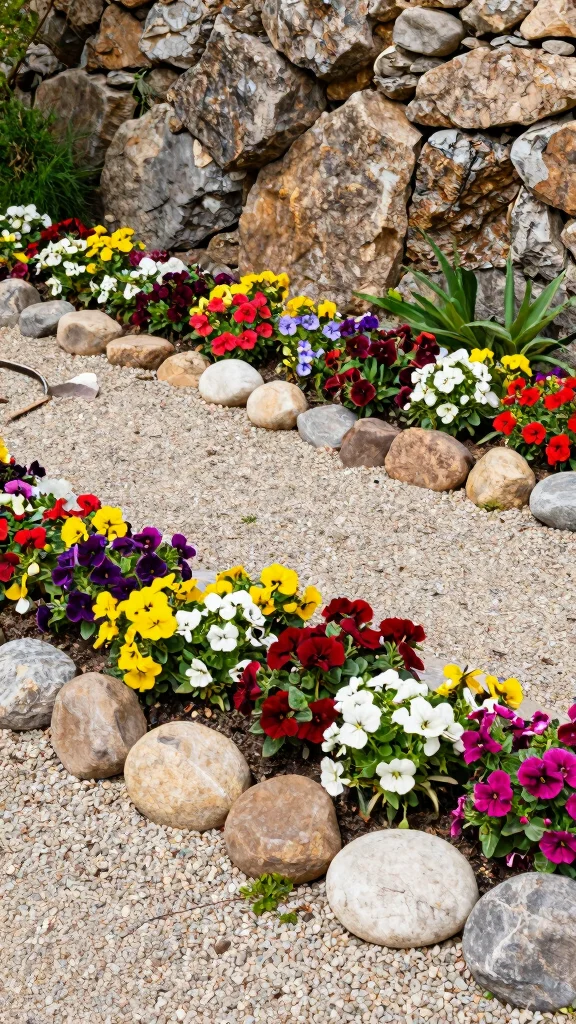
If you’re after durability and visual appeal, stone and gravel edging might be just what you need. This option not only enhances the look of your flower beds but also aids in drainage and weed control. By laying a gravel base and surrounding it with stones, you create a natural yet structured border that ties your garden together beautifully.
Begin by clearing the area of weeds and debris. Lay down landscaping fabric to keep weeds at bay, then pour a few inches of gravel to form a solid foundation. Arrange the stones in a style that suits your garden, whether you prefer a neat row or a more organic, scattered arrangement.
Steps to install stone edging:
– Clear weeds and debris for a clean start
– Lay landscaping fabric to prevent weeds
– Pour gravel for a solid foundation
– Arrange stones in your desired design
This approach not only looks stunning but also creates a grounded, eco-friendly feel in your garden, utilizing natural materials effectively.
Fun fact: A well-laid gravel base with natural stones can cut weed growth by up to 60% in the first season, while boosting drainage. It’s a simple, eco-friendly approach for DIY flower bed border ideas.
Stone and Gravel Edging
Editor’s Choice

3ftx50ft Weed Barrier Landscape Fabric Heavy Duty,Weed Block Gardening…

EasyFlex No-Dig Landscape Edging with Anchoring Spikes, 2.7 in Tall Deco…

3. Recycled Plastic Edging
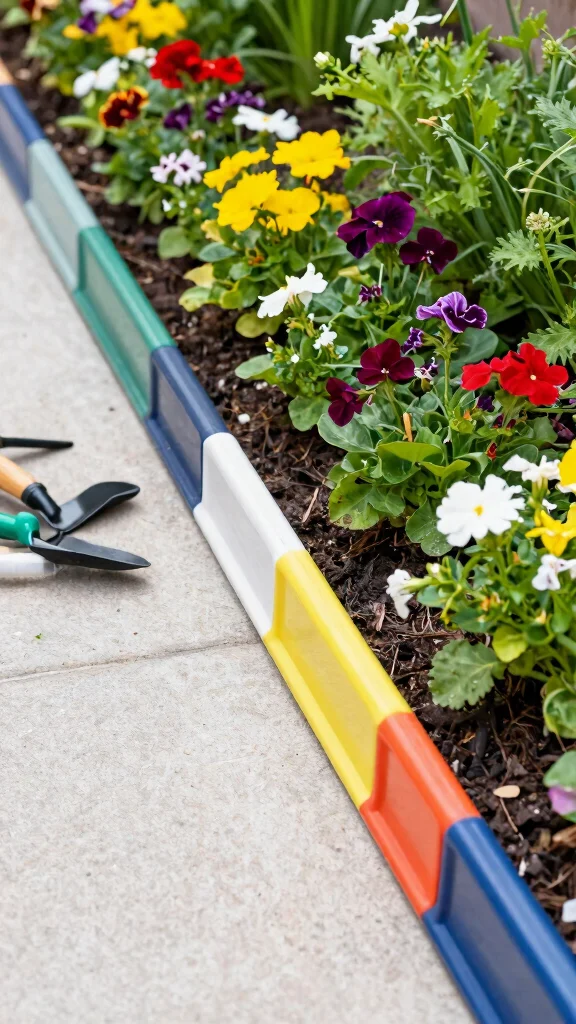
For a modern touch that’s also kind to the planet, recycled plastic edging is an excellent choice. It’s versatile, durable, and can be molded into various shapes, making it perfect for your garden needs. Plus, it helps reduce landfill waste while providing a neat finish to your flower beds.
Start by selecting recycled plastic edging in colors that complement your garden’s aesthetics. Cut the edging to your desired lengths and press it into the ground along the perimeter of your flower bed. Use a mallet to secure it firmly, ensuring a tidy appearance that enhances your outdoor space.
How to implement recycled plastic edging:
– Choose colors that match your garden
– Cut to length and position along the bed
– Secure with a mallet for stability
This modern option gives your garden a sleek edge while promoting sustainability, making it a smart choice for eco-conscious gardeners.
Recycled Plastic Edging
Editor’s Choice

2-Inch x 33 FT Landscape Edging Border with 50 Spikes, Garden Edging Law…

2-Inch x 66 FT Landscape Edging Border with 100 Spikes, No Dig Garden Bo…
4. Concrete Block Borders

Concrete blocks offer a strong and stylish solution for flower bed borders. They can be left natural for an industrial vibe or painted to match your garden’s theme, giving you plenty of design options. This method provides a solid structure that supports your plants and keeps your garden looking neat.
To start, clear debris and level the soil where you want the border. Lay down landscaping fabric to minimize weed growth, then arrange concrete blocks in a straight line or decorative pattern. Fill the gaps with soil to plant flowers or herbs, adding extra flair to your display.
Creating your concrete block border involves:
– Clearing and leveling the area for installation
– Laying landscaping fabric to reduce weeds
– Arranging blocks in your desired pattern
– Filling gaps for planting flowers or herbs
This practical option not only enhances your garden’s appearance but also ensures it remains tidy and well-structured for years to come.
Fun fact: DIY flower bed border ideas with concrete blocks stay sturdy for years, and a fresh coat of paint can transform them to match any garden theme. Tip: set landscaping fabric first to reduce weeds, then lay blocks in a straight line for neat, low-maintenance borders.
You might also like
Concrete Block Borders
Editor’s Choice

3ft x 50ft Weed Barrier Landscape Fabric Premium Weed Control Fabric Dur…

KILZ Decorative Concrete Coating, Slip-Resistant Gray Paint with Stone-L…

INTERWARM 1Pcs Concrete Wall Block Mold, Concrete Molds and Forms for Wa…
5. Bamboo Edging

For an exotic touch that’s also sustainable, bamboo edging is a fantastic choice. Known for its strength and durability, bamboo adds a beautiful natural element to your garden while remaining eco-friendly. It’s a great way to create a unique border that stands out.
Choose bamboo poles that are 2-3 feet high, depending on the effect you want. Position them along the edge of your flower bed, digging holes if necessary for added stability. Secure the poles by adding soil around them and pressing down firmly to ensure they stand tall.
Steps to install bamboo edging:
– Select poles that fit your desired height
– Position along the flower bed line
– Dig holes for better stability
This eye-catching option contrasts beautifully with colorful blooms, making your flower bed pop while promoting an environmentally-friendly gardening approach.
Difficulty Rating & Requirements
Overall Difficulty Rating: Easy
Creating DIY flower bed borders can be an enjoyable experience for most gardeners. These projects are rated easy because they require minimal tools and skills. Whether you are a beginner or someone with a little experience, you can tackle these ideas.
Time Estimate: ⏱ Estimated time: 1-2 days
Most of the projects can be completed in a day, while some may take a little longer depending on the complexity and size of your flower bed. For example, if you’re working on upcycled wooden pallet edging, you may spend around 4-5 hours measuring and cutting the wood. Stone and gravel edging might take a full day if you are gathering materials and laying them down.
Skill Requirements:
– Required skills: Basic measuring, cutting, and assembling.
– Beginner-friendly: Yes
If you’re new to gardening, these projects are a great way to start. You can learn new skills, like using simple tools, while creating something beautiful for your garden. Most skills required can be learned during the process, making it very approachable for beginners.
Tools & Materials Needed: 🧰 Essential items checklist
– Measuring tape (required)
– Garden spade (required)
– Level (optional)
– Hammer or mallet (required)
– Landscape fabric (optional)
– Decorative stones or gravel (required for specific borders)
– Wood or bamboo stakes (required depending on the border choice)
– Paint or wood stain (optional for aesthetics)
Step-by-Step Overview:
1. Planning and Measurement (Time Estimate: 1-2 hours)
Start by measuring the area where you want to place your flower bed border. Sketching a simple design can also help you visualize the layout.
2. Gathering Materials (Time Estimate: 1-2 hours)
Collect all necessary materials. This might involve visiting local stores or recycling materials like wooden pallets or stones.
3. Installation (Time Estimate: 2-6 hours)
Begin with the installation phase. For wooden pallets, you will need to cut and assemble the pieces. For stone borders, laying them out evenly is key.
4. Finishing Touches (Time Estimate: 1-2 hours)
Add any decorative elements or paint/stain your wood if you choose to enhance its appearance.
Cost Comparison: Professional vs DIY:
Hiring a professional landscaper for similar work can cost anywhere from $300 to $1,000, depending on the size of your garden and the materials used. In contrast, creating your own border can be done for as little as $50 to $200, depending on the materials you choose. If you feel confident, tackling this as a DIY project not only saves money but also lets you personalize your outdoor space. If the task feels overwhelming, don’t hesitate to consult a professional for guidance.
Bamboo Edging
Editor’s Choice

FOREVER BAMBOO Natural Eucalyptus Wood Solid Log for Garden Edging Lawn …
6. Terracotta Pot Borders

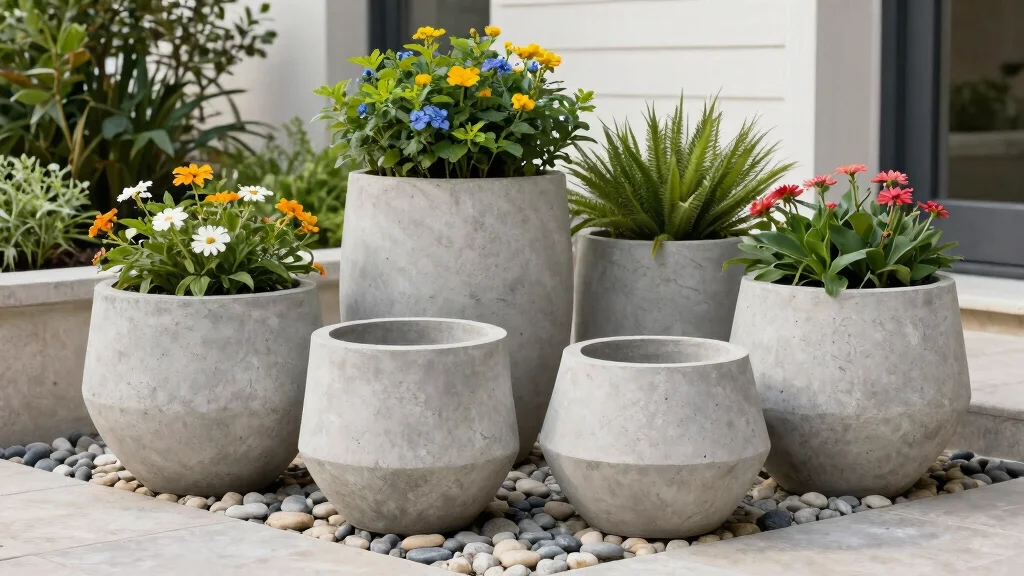
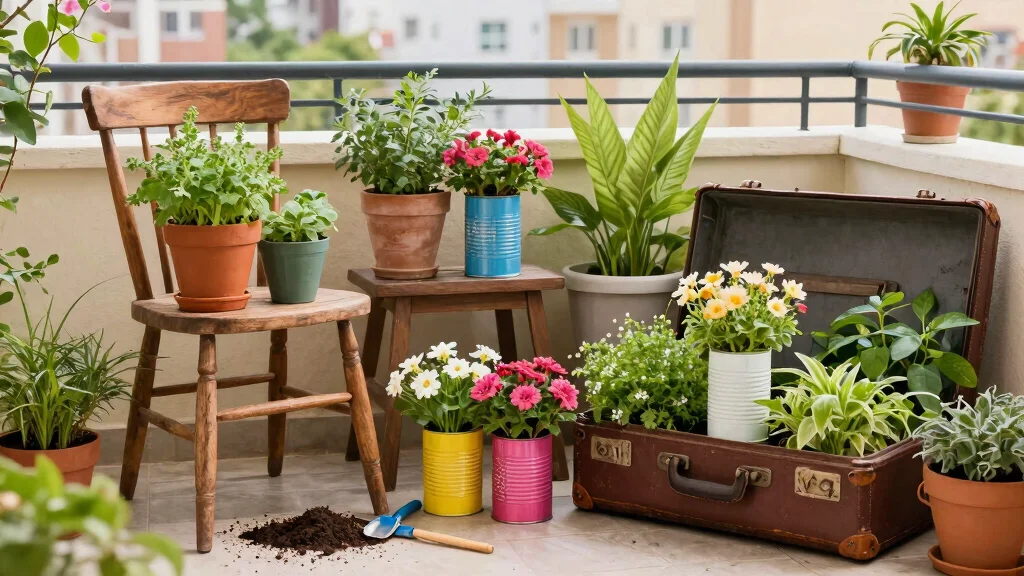
Add a playful twist to your garden with terracotta pots as borders for your flower beds. This creative idea not only looks great but also serves a functional purpose, as you can plant small flowers or herbs directly in the pots. It’s a fun way to introduce color and texture.
Gather terracotta pots in various sizes, using whole pots or cutting them in half for added interest. Arrange them along the edge of your flower bed, either standing upright or partially buried for a unique look. Fill the pots with vibrant blooms or herbs to enhance your design.
How to create terracotta pot borders:
– Collect pots of different sizes for variety
– Position them creatively along the bed
– Fill with colorful flowers or herbs
This method adds energy and vibrancy to your garden, showcasing your creativity while providing extra planting opportunities.
You Might Also Like
Terracotta Pot Borders
Editor’s Choice
Gardening Gifts for Women, Gardening Tools for Mom Grandma Wife, Garden …

Pot Head Plant Lover Mug 14oz Terra Cotta Flower Pot – Ceramic Gardening…

Bamllum Leather Gardening Gloves for Women – Working Gloves for Weeding,…
7. Living Plant Edging

For the ultimate eco-friendly choice, consider a living plant border. Using low-growing plants like lavender, thyme, or succulents not only defines your flower bed but also enhances its texture and fragrance. This approach creates a dynamic and inviting atmosphere in your garden.
Select plants that thrive in your local climate and complement your flower bed’s theme. Plant them closely along the edge, ensuring they will fill in nicely over time. Alternating colors and textures can create a more visually engaging look.
Steps to design a living plant border:
– Choose compatible plants for your climate
– Plant closely for a full appearance
– Alternate colors for visual interest
This living border invites beneficial insects and supports biodiversity, making it an excellent choice for anyone looking to create a beautiful, sustainable outdoor space that evolves with nature.
Living Plant Edging
Editor’s Choice

Live Lavender 2-Pack – Purple – Fragrant Sun Perennial Herb, Pollina…
Altman Plants, Live Succulent Plants (20 Pack) Assorted Potted Succulent…

Bonnie Plants German Thyme Live Herb Plants – 4 Pack, Perennial In Zones…
Conclusion
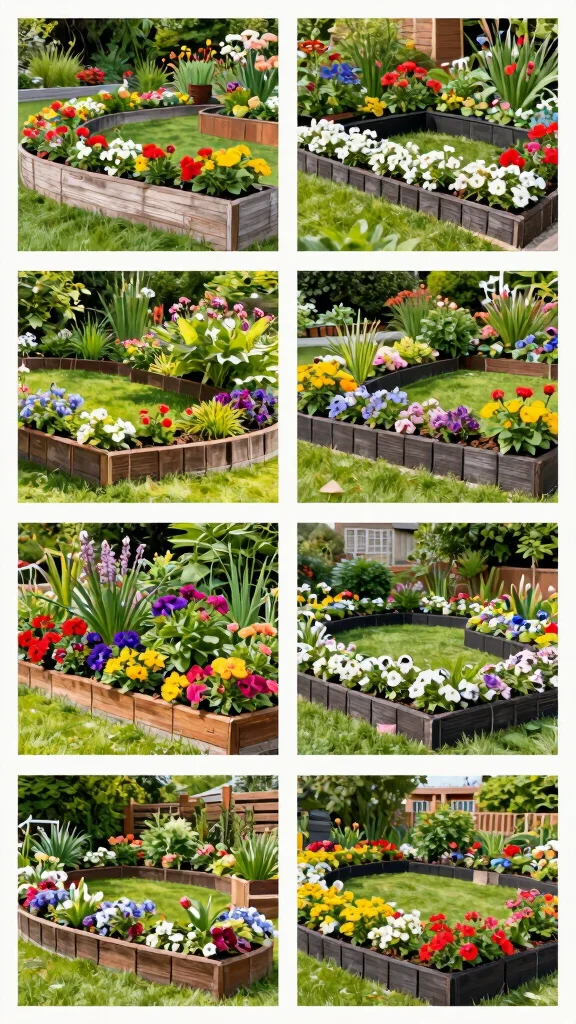
Creating stunning flower bed borders doesn’t need to be a daunting task. With these eco-friendly DIY ideas, transforming your garden can be both fun and fulfilling. Each border option allows you to express your creativity while enhancing your outdoor space sustainably. Whether you opt for rustic wooden pallets, elegant stone, or vibrant living borders, you’ll find a style that fits your gardening vision. Let these ideas inspire you to get outside and start your next gardening project!
Your garden is an extension of your personality, and these borders are the perfect way to showcase that.
Note: We aim to provide accurate product links, but some may occasionally expire or become unavailable. If this happens, please search directly on Amazon for the product or a suitable alternative.
This post contains Amazon affiliate links, meaning we may earn a small commission if you purchase through our links, at no extra cost to you.
Frequently Asked Questions
What are some easy eco-friendly materials I can use for diy flower bed border ideas?
Eco-friendly diy flower bed border ideas start with upcycled or natural materials that look great and reduce waste.
Try upcycled pallets cut into slats, reclaimed bricks or stones, river rocks, or untreated timber sleepers for a durable border. For a softer, living edge, plant low-growing groundcovers or grasses along the border. Plan your border height, dig a shallow trench, and secure materials with soil or landscape pins to keep it neat and durable. These options fit easy DIY gardening and outdoor landscaping ideas.
How can I edge a flower bed without heavy cement while keeping it durable and attractive?
Ditch cement and choose options like metal landscape edging, bricks on a sand bed, or a simple line of river rocks. Start by laying out a string line for curves, dig a shallow trench, place the edging in place, and secure with stakes or pins. Backfill with sand or soil and tamp it smooth so it sits flush with the soil surface. This makes a clean flower bed edging that supports classic garden border designs.
What garden border designs are easiest for DIY gardening and still look polished?
Curved borders create a softer, more welcoming look and are easier to install than sharp corners. Choose a single material for a cohesive look, or mix textures in a controlled way for visual interest. Draft your plan, measure accurately, cut where needed, and install the edging before filling. These ideas align with garden border designs and creative flower beds for outdoor landscaping ideas.
How can I design borders that attract pollinators and support eco-friendly gardening?
Use native, nectar-rich perennials and cheerful annuals along the border to attract bees and butterflies. Leave a few gaps for ground-nesting pollinators, mulch to keep moisture, and avoid harsh chemicals. Pair flowering plants with a simple edging to define space while keeping maintenance low. This fits diy flower bed border ideas and creative flower beds in sustainable gardening.
What is a simple, weekend-ready plan to install a diy flower bed border?
Here’s a practical 6-step plan you can finish in a weekend: 1) Sketch the curve and mark the line with string. 2) Gather edging material (upcycled or new). 3) Dig a shallow trench along the line. 4) Install the edging, securing with stakes. 5) Backfill with soil or mulch and tamp down. 6) Plant your border with a mix of low-growing groundcovers and colorful perennials, then water well. You’ll end up with a clean, durable border that’s perfect for easy DIY gardening and outdoor landscaping ideas. Include flower bed edging and garden border designs.
Related Topics
diy flower bed border ideas
flower bed edging
eco-friendly gardening
easy DIY gardening
creative flower beds
outdoor landscaping ideas
beginner friendly
budget friendly
seasonal flowers
landscaping tips
garden design
quick projects