
Creating a stunning flower bed can transform any outdoor space, especially if you’re limited on room. This post stems from a desire to help you make the most of your garden, no matter its size. If you’ve been dreaming of vibrant blooms but worry about lacking square footage, you’re not alone. The good news? With the right flower bed planting layout, every plant can shine, giving your mini garden the spotlight it deserves.
If you’re passionate about gardening but have limited outdoor space, this guide is for you. Whether you’re an experienced gardener or just starting, you’ll find layout ideas that suit your style and needs. You will discover practical tips that are not only visually appealing but also functional. Let’s dive into eight carefully curated flower bed designs that harmonize your plants, making every bloom feel like it belongs in your garden.
Key Takeaways
– Cascading Charm: Layering plants in vertical beds can create depth and visual interest while maximizing space.
– Corner Vertical Gardens: Utilize those empty corners with vertical gardens to turn unused areas into beautiful focal points.
– Vertical Stacked Planters: These add a playful touch and allow for varied plant heights, perfect for small areas.
– Vertical Wall Gardens: Transform your walls into living art pieces, showcasing a mix of colors and textures.
– Theme Integration: By creating themed vertical gardens, you can establish a cohesive look that brings harmony to your outdoor space.
1. Cascading Charm: Layered Vertical Beds
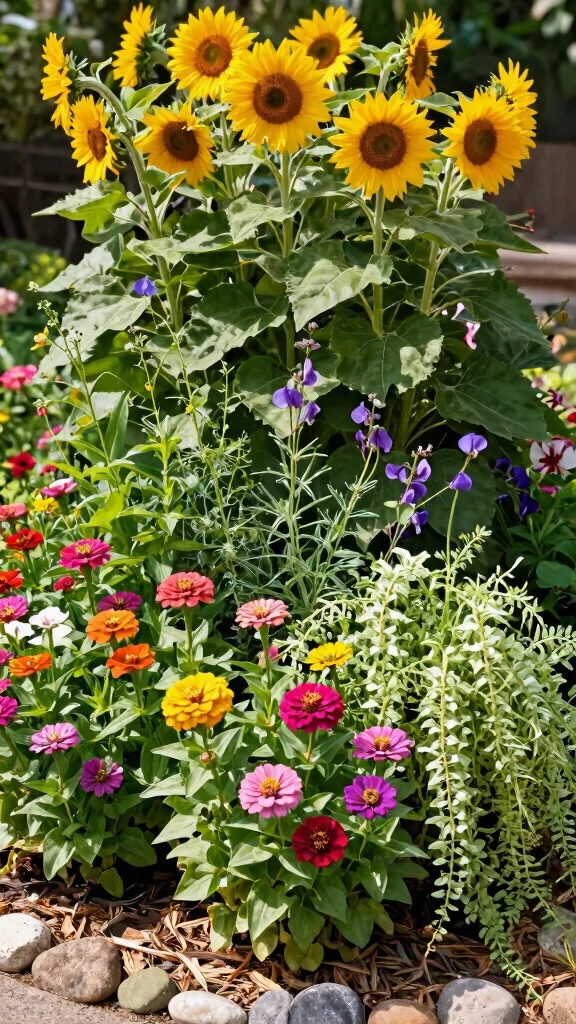
Imagine a garden where each plant plays a role in a stunning visual display. Layering plants in vertical beds creates depth and invites the eye to explore different heights and colors. By placing taller plants at the back and gradually reducing height towards the front, you can achieve a breathtaking cascading effect that highlights the beauty of your garden’s diversity.
To get started, mix perennials and annuals to maintain vibrant colors year-round. Choose plants that bloom at different times to keep your garden lively throughout the seasons. Adding trellises for climbing plants like sweet peas or morning glories can enhance the height and drama of your layout.
Key design elements to consider:
– Incorporate perennials and annuals for continuous blooms
– Select plants with staggered bloom times for year-round interest
– Utilize trellises for climbing varieties to add vertical intrigue
This approach not only beautifies your space but also aids in moisture retention and weed control. Your garden will look polished and inviting, with each plant getting its moment in the spotlight.
Cascading Charm: Layered Vertical Beds
Editor’s Choice

Garden Tools Set, 3 Pack Heavy Duty Gardening Tools Set Include Garden S…

Back to the Roots 100% Organic Mulch, 58 Quart, Expanding Coconut Husk B…

VEVOR Hydroponic Tower, 50 Pods 10 Tiers Hydroponics Growing System Kit …
2. Corner Vertical Gardens: Making the Most of Unused Spaces
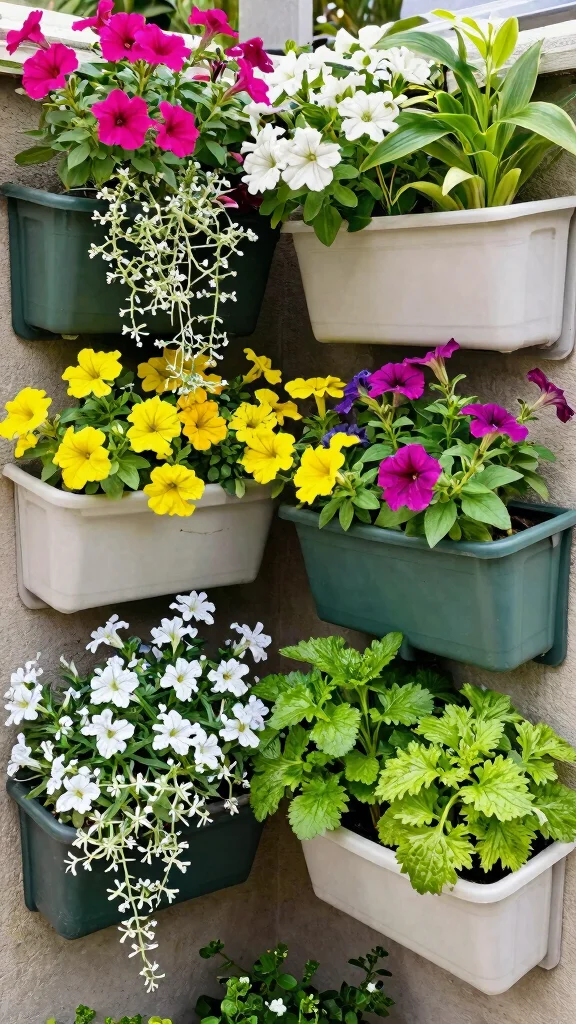
Transforming a neglected corner into a vibrant vertical garden can breathe life into your outdoor area. This layout maximizes every inch by using vertical planters or wall-mounted designs, turning an unused space into a lush focal point. You’ll create a stunning backdrop that not only adds beauty but also makes efficient use of space.
Start by selecting modular wall planters that fit your style and allow customization. Combining flowers with herbs not only adds beauty but also functionality to your garden. Establish a color scheme to create harmony between vibrant and subtle hues, ensuring a cohesive look.
Essential tips for your design:
– Choose modular wall planters for versatility
– Blend flowers and herbs for beauty and practicality
– Maintain a balanced color scheme for visual appeal
This layout enhances your garden’s aesthetic while cleverly utilizing space, making every plant feel right at home in its designated spot.
Fun fact: In just a 2×2 ft corner, a vertical garden can host 10–12 plants, turning unused space into a lush backdrop. By using modular wall planters, you gain a practical flower bed planting layout that thrives in small areas. Convert corners into stunning, space-saving focal points today.
📹 Related Video: Empty corner ➡️ vertical plant paradise 🪴❤️ #plants #plantshelfie
Corner Vertical Gardens: Making the Most of Unu…
Editor’s Choice

Seed Needs Herb Seeds Variety Pack Culinary Herb Collection (12 Individu…

ShopLaLa Wall Planter – 2 Pack, Wooden Hanging Large Planters for Indoor…

TOREVSIOR 5-Tier Vertical Raised Garden Bed, Vertical Garden Planter wit…
3. Vertical Stacked Planters: A Playful Touch

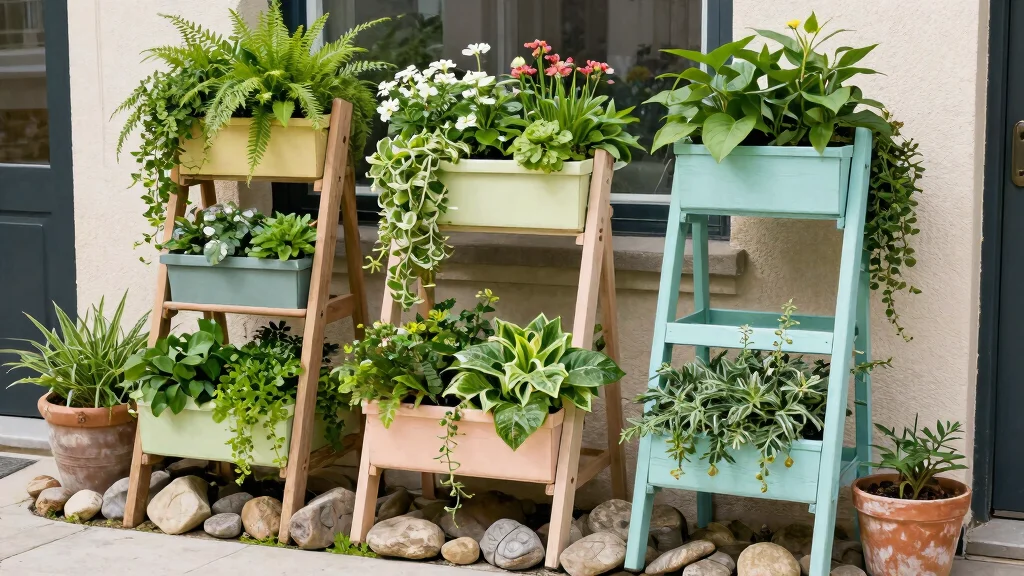
Stacked planters offer a fun and creative way to display your flowers. This layout not only saves ground space but also introduces a tiered effect that captivates attention. Each level can showcase different plants, creating a delightful landscape that encourages exploration and engagement.
Choose plants with varying heights and textures to create a dynamic arrangement. Mixing flowering plants with lush foliage adds depth and intrigue. Don’t forget to ensure good drainage between tiers to promote healthy growth.
Things to keep in mind:
– Select plants of diverse heights and textures for visual interest
– Incorporate both flowers and foliage for a layered look
– Ensure proper drainage for each tier to keep plants thriving
This playful approach allows you to experiment with colors and styles while maximizing your garden space. Each tier can become its own mini garden, making every plant feel special.
❝ Fun fact: Vertical stacked planters boost planting density by up to 40% in small spaces. Layer blooms and foliage for a dynamic flower bed planting layout, and ensure good drainage between tiers for a lush, space-saving garden. ❞
Vertical Stacked Planters: A Playful Touch
Editor’s Choice

Virekm River Rocks, Decorative Ornamental Pebbles,Garden Landscaping Sto…

GameXcel Vertical Planter Tower – 5 Tier Stackable Garden Planters with …

Miracle-Gro Moisture Control Potting Mix – Plant Soil For Container Plan…
4. Vertical Wall Gardens: Living Art
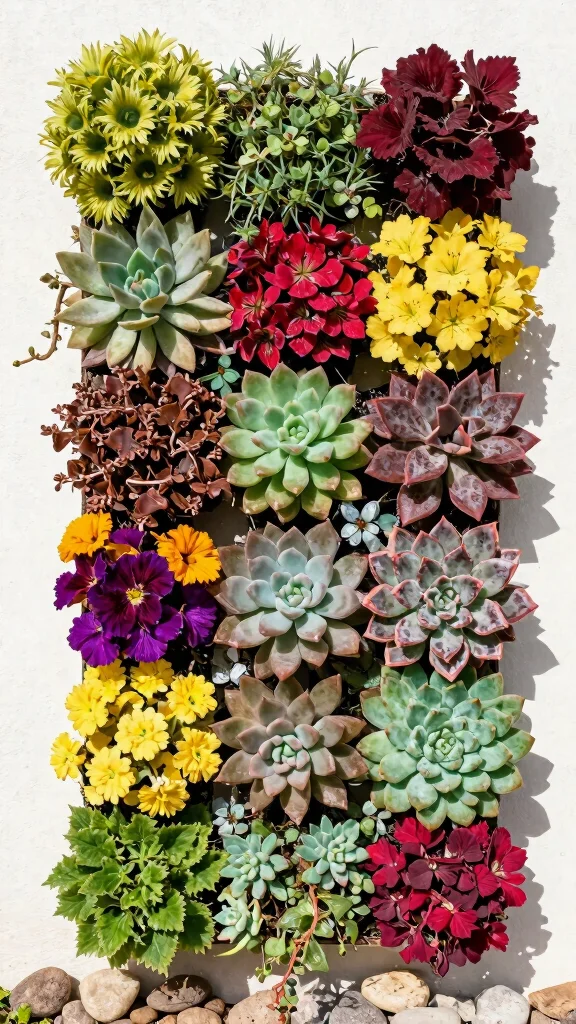
Vertical wall gardens provide a stylish and modern twist to traditional flower beds. These living displays can turn a plain wall into a vibrant canvas filled with greenery and color. With numerous wall-mounted systems available, you can create stunning arrangements without sacrificing valuable ground space.
Utilize a variety of plants, including succulents, to create unique patterns and bursts of color. Choose plants that thrive in similar light and water conditions for easy upkeep. Organizing your flowers with frames or grids can help maintain a structured appearance.
Important tips to consider:
– Mix various plants for colorful patterns
– Select compatible plants for easier maintenance
– Use frames or grids for a neat arrangement
This layout not only enhances the aesthetic of your garden but also purifies the air, making your vertical wall garden a true masterpiece.
You might also like
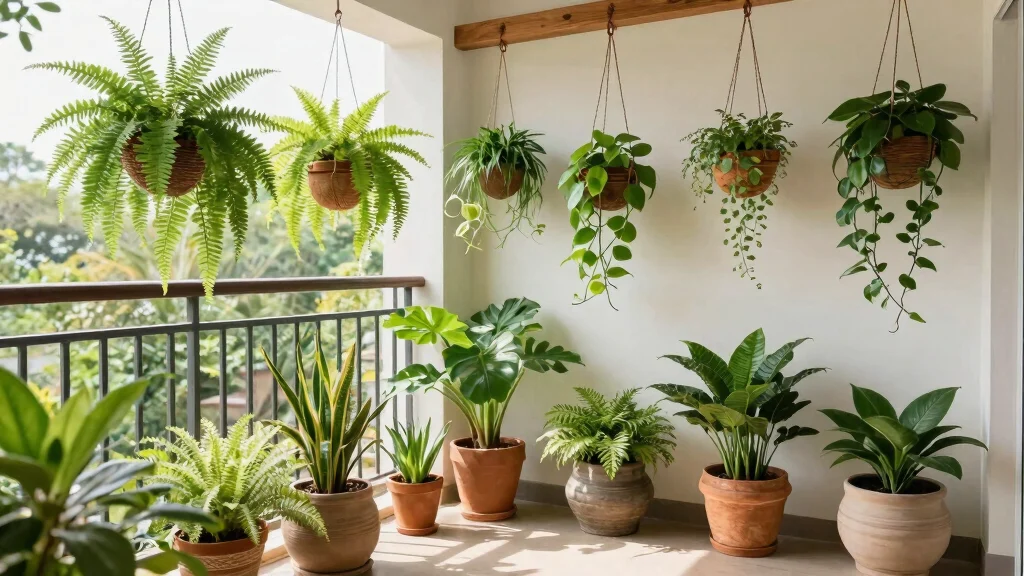
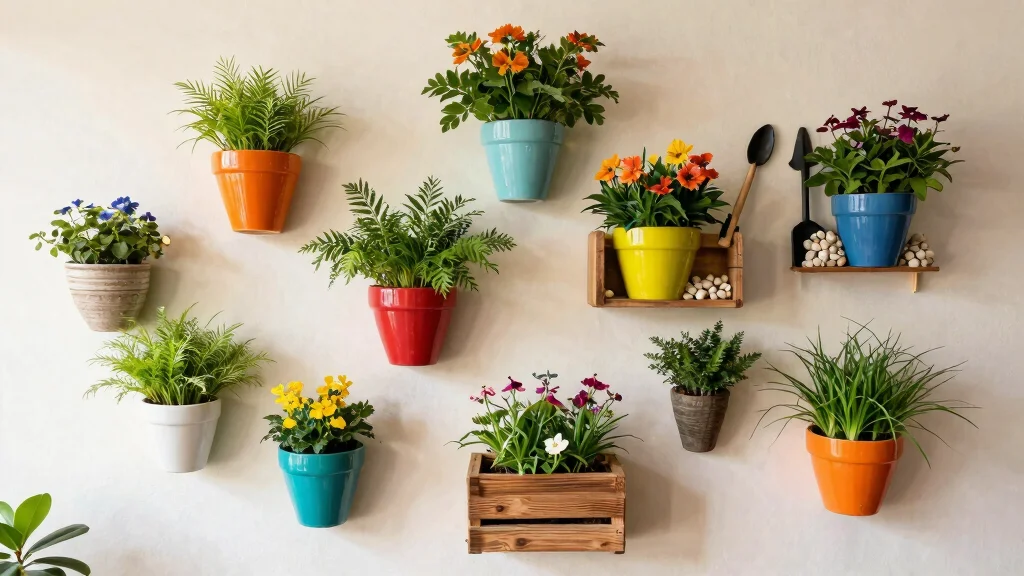
Vertical Wall Gardens: Living Art
Editor’s Choice

Shop Succulents Endless Summer Succulent Pack Collection – Live Mini Suc…

Dahey 3 Pcs Metal Hanging Flower Pots for Railing Fence Outdoor Planter …

Smart Automatic Drip Irrigation System for Indoor Plants, 2026 Auto Plan…
5. Vertical Trellis Gardens: Supporting Growth
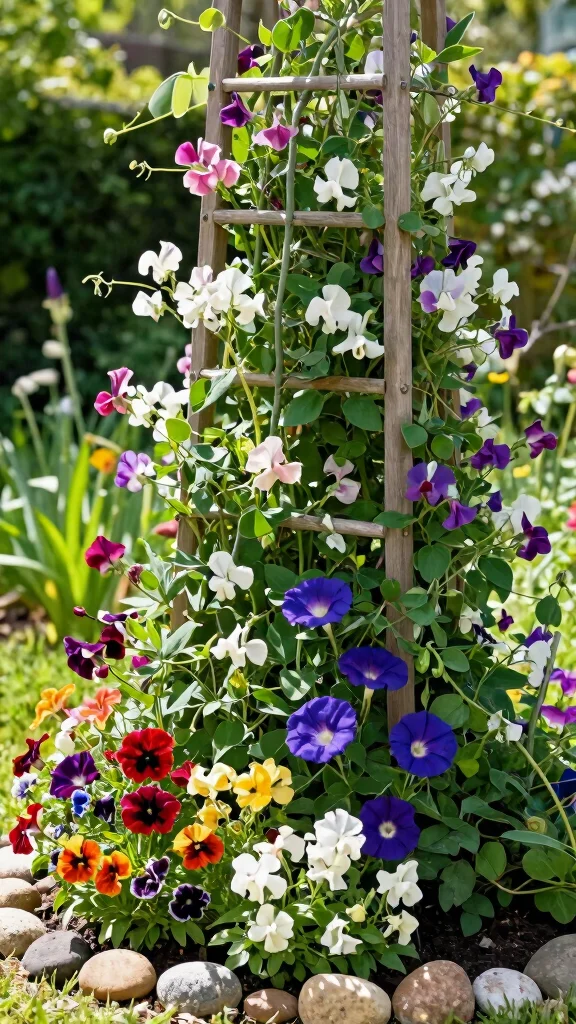
Incorporating trellises into your vertical flower bed layout is a fantastic way to support climbing plants while creating a lush, dynamic display. Trellises add structure and can easily fit into any small garden design, providing a perfect framework for flowers to grow and thrive.
Select climbing plants that complement surrounding blooms, such as pairing sweet peas with daisies. Ensure that your trellis is securely anchored for stability, and consider adding trailing flowers at the base for a fuller appearance.
Key considerations for your trellis layout:
– Choose climbing plants that harmonize with surrounding flowers
– Securely anchor your trellis for stability
– Add trailing plants at the base for added fullness
This layout elevates your garden by guiding the eye upwards, ensuring every plant feels at home while enhancing your garden’s potential.
Vertical Trellis Gardens: Supporting Growth
Editor’s Choice

Sweet Pea Seeds 200 (Knee High Mix) – Easy to Grow for Beginners, Colo…
2 Pack 30 Inch Taller Plant Trellis for Potted Climbing Plants Indoor,Ex…

Miracle-Gro Potting Mix – For Container Plants, Flowers, Vegetables, Shr…
6. Vertical Container Gardens: Portable Pleasure
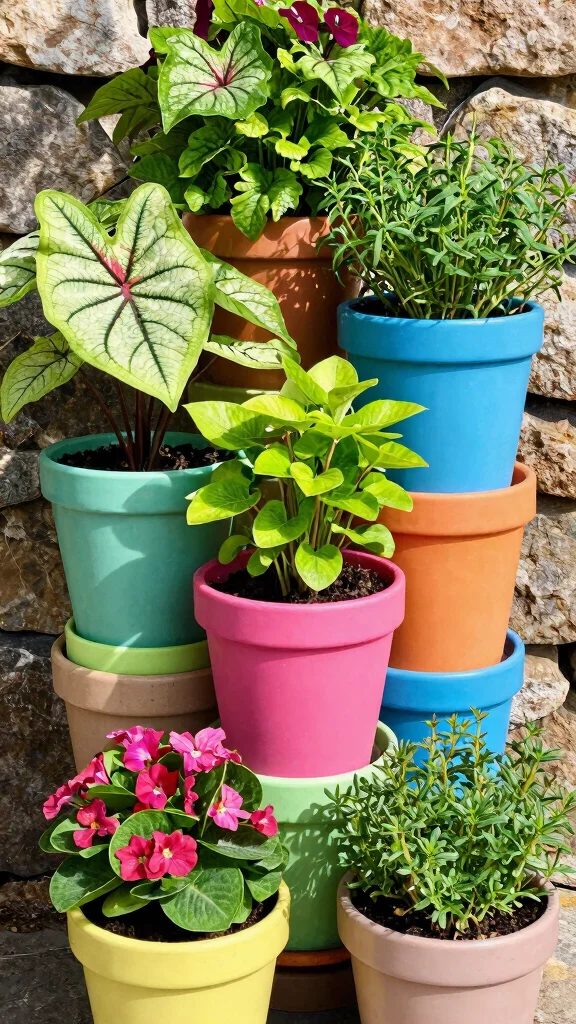
Vertical container gardens are perfect for those seeking flexibility and mobility in their gardening. These arrangements allow you to explore various plant combinations and designs while easily relocating them to capture optimal sunlight.
Utilize containers of different sizes to create a layered and dynamic effect. Opt for lightweight pots for easy rearrangement, and mix perennials with annuals for added visual interest.
Steps to create your container garden:
– Use varying pot sizes for an engaging look
– Choose lightweight pots for effortless movement
– Combine perennials and annuals for lasting beauty
This layout is ideal for renters or anyone wanting to refresh their garden’s look frequently. By stacking containers, you maximize every inch, creating a lush oasis in even the smallest spaces.
Fun fact: A vertical container garden can yield 2x more growing area on a small balcony, letting you mix perennials with annuals for continuous color and a smart flower bed planting layout. Move lightweight pots to chase sun—and your flowers will thank you.
How To Choose The Right Flower Bed Planting Layout
Choosing the right flower bed planting layout can transform your garden into a beautiful space. It’s essential to consider several factors that will help you create a visually appealing and functional garden. Let’s break down the key criteria to keep in mind as you decide on your flower bed design.
1. Space Availability
Before you start planning your layout, assess the space you have. Measure the area where you want to create your flower bed. For smaller spaces, vertical planting can maximize your garden area. Consider how much sunlight the space receives and check for any obstacles that could affect growth, such as trees or buildings. This will guide you in selecting a layout that fits well and utilizes your available space effectively.
2. Plant Height and Size
When arranging your flower bed, think about the height and size of the plants you want to include. Taller plants should be positioned at the back or center of the bed, while shorter plants should be in the front or edges. This layering technique not only looks attractive but also ensures that all plants receive adequate sunlight. Take note of the mature size of each plant to prevent overcrowding and allow for their full growth.
3. Color and Texture
Create visual interest by combining different colors and textures. Choose flowers that complement each other to form a cohesive look. For instance, pairing bright colors with softer shades can enhance the beauty of your garden. Additionally, mix various leaf shapes and sizes to add depth to your flower arrangement. You can also consider the blooming seasons to ensure that your flower bed remains vibrant all year round.
4. Companion Planting
Companion planting can be a great strategy for ensuring your flowers thrive. Certain plants benefit from being grown together, as they can deter pests or enhance each other’s growth. Research which flowers grow well alongside each other. For example, marigolds can repel harmful insects from neighboring plants. This approach not only maximizes the health of your plants but also contributes to a balanced ecosystem in your garden.
5. Maintenance Requirements
Consider how much time you can dedicate to maintaining your flower bed. Some plants require more care than others, including regular watering, deadheading, or pruning. If you prefer a low-maintenance garden, choose hardy perennials that can withstand different weather conditions. Alternatively, if you enjoy gardening as a hobby, you might want to include more delicate varieties that need regular attention.
6. Budget
Your budget will also play a crucial role in deciding on your flower bed planting layout. Consider the cost of plants, soil, and any necessary tools. It’s wise to start small and gradually expand your garden as you learn what works best for you. While investing in high-quality plants is beneficial, there are budget-friendly options available as well. Look for local nurseries or plant swaps to save money and still get beautiful blooms.
Pro Tip: Sketch your flower bed ideas on paper before planting. This will give you a visual representation of your layout and help you make adjustments as needed. Don’t hesitate to experiment with different arrangements until you find the design that feels just right for your space! 🌼
Vertical Container Gardens: Portable Pleasure
Editor’s Choice
TOREVSIOR 5-Tier Vertical Raised Garden Bed, Vertical Garden Planter wit…
Miracle-Gro Potting Mix – For Container Plants, Flowers, Vegetables, Shr…

GameXcel Vertical Planter Tower – 5 Tier Stackable Garden Planters with …
7. Themed Vertical Gardens: Creating a Cohesive Look
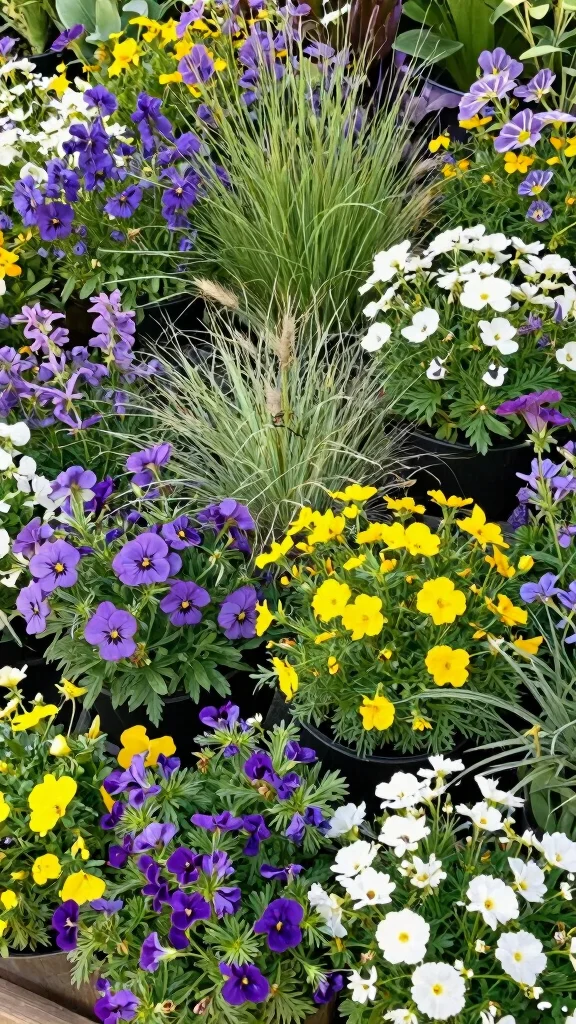
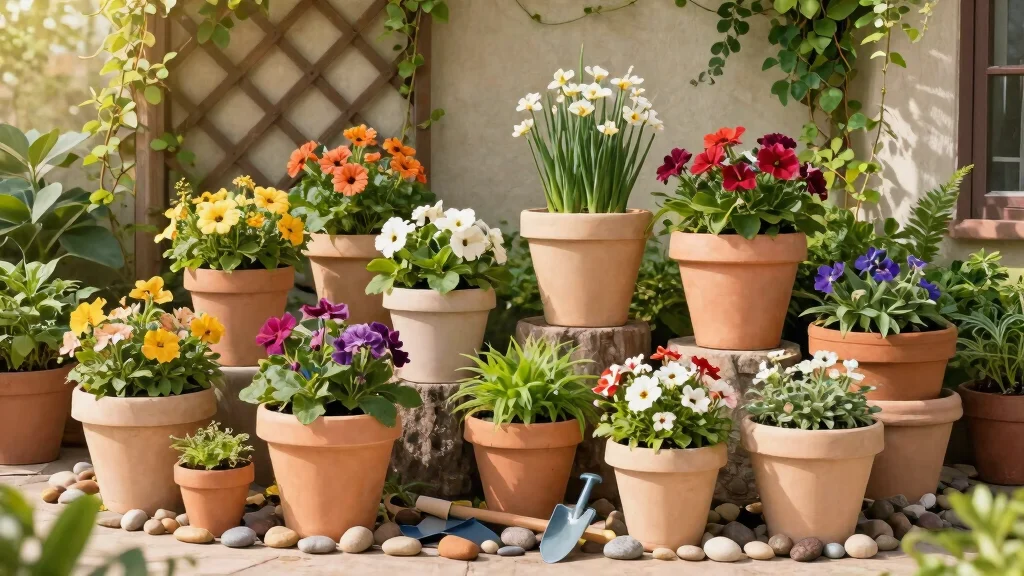
Designing a themed vertical garden can turn your small space into a beautifully cohesive sanctuary. Whether you envision a wildflower oasis or a tropical escape, these layouts focus on a central theme that connects all plants in a stunning display.
Select plants that share a similar color palette or bloom during the same season for a unified look. Mixing textures adds visual interest while maintaining theme consistency, and using identical pots or planters contributes to a harmonious appearance.
Key elements for a themed layout:
– Choose plants from the same color palette or blooming season
– Incorporate different textures for added depth
– Use identical planters for a harmonious touch
This approach elevates your garden design by creating a narrative that binds every flower together, enhancing both aesthetic appeal and plant interaction.
You Might Also Like
Themed Vertical Gardens: Creating a Cohesive Look
Editor’s Choice
VEVOR Hydroponic Tower, 50 Pods 10 Tiers Hydroponics Growing System Kit …

8/10/12 Inch Self Watering Pots for Indoor/Outdoor Plants – Large Plasti…
8. Vertical Herb and Flower Combinations: Functional Beauty
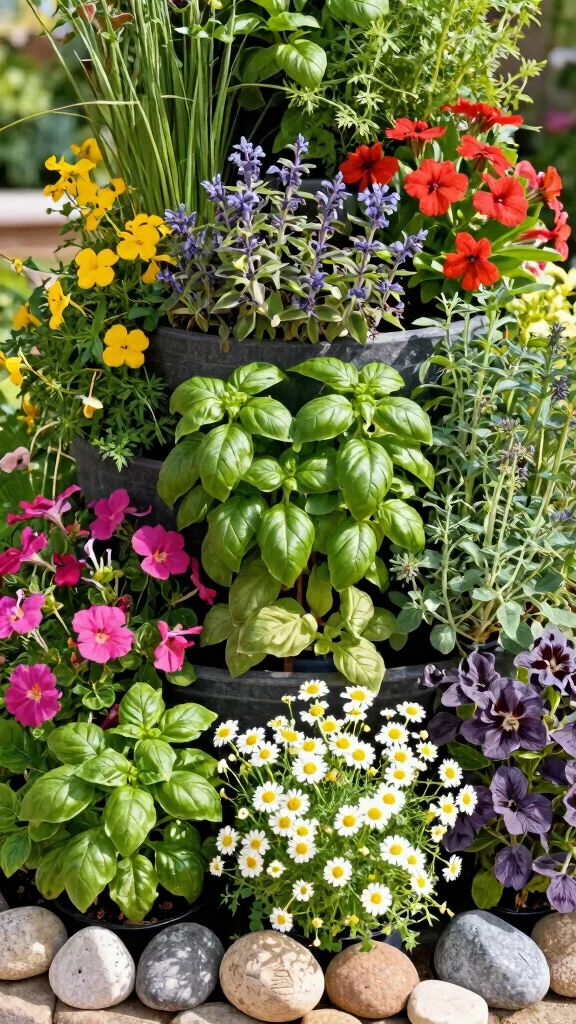
A vertical herb and flower combination layout brings together functionality and beauty in small garden spaces. This arrangement allows you to enjoy the fresh aromas and flavors of herbs while showcasing colorful blooms, creating a sensory delight in your garden.
Utilize tiered planters to separate herbs from flowers, ensuring easy access for harvesting. Choose herbs that pair well with flowers, like chamomile alongside daisies, and make sure both get enough sunlight and drainage.
Important tips for your design:
– Use tiered planters for easy herb access
– Select harmonious herb and flower combinations
– Ensure adequate sunlight and drainage for all
This layout beautifully merges aesthetics and utility, ensuring every plant feels integral to your vibrant garden ecosystem.
Vertical Herb and Flower Combinations: Function…
Editor’s Choice
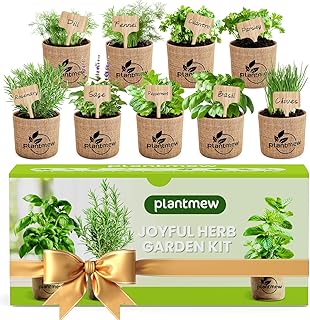
Gift for Women, Mom, Her – 9 Herb Indoor Window Garden Kit | Complete …

YBING Vertical Garden Bed 5 Tier Vertical Raised Garden Planter Standing…

Garden Tools Set, 8 Piece Gardening Tools Set with Non Slip Ergonomic Ha…
Conclusion

With these eight flower bed planting layouts, transforming your small space into a lush floral wonderland is both possible and exciting. Each design not only highlights the beauty of different plants but also utilizes every inch of your garden effectively.
Whether you’re layering vertically, using wall gardens, or crafting themed arrangements, every plant is given a chance to shine. So grab your tools and let your creativity bloom; your dream vertical flower bed awaits!
Note: We aim to provide accurate product links, but some may occasionally expire or become unavailable. If this happens, please search directly on Amazon for the product or a suitable alternative.
This post contains Amazon affiliate links, meaning we may earn a small commission if you purchase through our links, at no extra cost to you.
Frequently Asked Questions
How can I create a cohesive flower bed planting layout in a vertical garden for a small space?
Vertical spaces offer big impact when you treat them like a compact garden.
Start with a sturdy vertical scaffold (trellis, pocket planters, or wall-mounted boxes) and pick a color palette that repeats across modules to tie the bed together.
Use 2–3 heights per module—a tall focal, mid-height filler, and a trailing spiller—to create depth without crowding.
Give each plant enough space to mature, and opt for compact or dwarf varieties suited to small spaces.
For practical planting tips, group plants in blocks rather than a random scatter to build cohesion, and install a drip-line or soaker hose to keep watering efficient.
Remember flower bed design principles like line, form, and contrast so every plant looks like it belongs.
What are practical companion planting tips for vertical flower beds to maximize space and bloom?
Companion planting works just as well up a wall as in ground beds.
Pair tall climbers with shorter flowering companions that share sun and water needs, so each layer supports the overall flower bed layout.
Add aromatic herbs near flowers to deter pests and attract beneficial insects.
Space plants so blooming times overlap to maintain color from early spring through late summer, and use uniform groupings to reinforce a cohesive garden layouts look.
For fresh flower arrangement ideas, repeat a 2–3 plant motif across modules.
What are the most common mistakes in vertical flower bed planting layout designs and how can I fix them?
Common mistakes include overcrowding, ignoring mature size, poor drainage, and wrong sun exposure.
Fix by choosing compact varieties, mapping mature widths before planting, and using modular planters with good drainage.
Add a simple irrigation plan or drip system to avoid dry patches, and mulch to keep roots cool and soil moist.
Treat the project as a real flower bed design project by planning with a layout sketch and adjusting as plants grow, so the result stays balanced in your garden layouts.
Can you recreate the feel of a full garden with a few vertical layouts?
Absolutely. Repetition of color blocks, careful rhythm of bloom times, and a focal point can make vertical beds feel as lush as a full garden.
Use repeating motifs across modules to guide the eye and unify the display.
Pair companion planting ideas with thoughtful flower arrangement ideas to keep each plant looking like it belongs in the scene, even in a compact space.
When done well, a set of vertical layouts becomes a powerful garden layouts statement.
What’s the quickest quick-start plan to implement the eight layouts in a small space?
Here’s a practical starter: measure your space and decide how many vertical modules you’ll use, then pick 2–3 color palettes that repeat for a cohesive look with flower arrangement ideas.
Choose a soil mix and drainage-friendly containers, and install a simple irrigation line for reliable watering.
Select compact or dwarf varieties and group them in blocks to mimic the fullness of a larger bed—this is a key part of flower bed design and garden layouts.
Plant, then stand back to assess and adjust spacing as plants grow.
Lastly, monitor sun exposure and rotate plants if needed to keep the display vibrant.
Related Topics
flower bed design
vertical planting
small space gardening
companion planting
planting tips
garden layouts
flower arrangement
beginner friendly
easy gardening
seasonal flowers
creative layouts
colorful blooms