
Creating a wildflower bed can feel like a daunting task, yet it doesn’t have to be. If you love the idea of a colorful, low-maintenance garden that attracts pollinators but don’t know where to start, you’re in the right place. This blog post is designed for those of you who crave a burst of natural beauty in your yard without all the fuss. Whether you’re a seasoned gardener or just starting out, these wildflower bed ideas will inspire you to create something stunning with minimal effort.
Picture stepping into your yard and being greeted by a vibrant, cheerful display of wildflowers swaying in the breeze. It’s not just about aesthetics; it’s about creating a habitat for bees, butterflies, and other pollinators. This guide offers seven easy wildflower designs that look effortlessly beautiful, transforming your outdoor space into a pollinator paradise. You’ll gain valuable insights into choosing perennial wildflowers and implementing garden landscaping ideas that fit your style and space.
Let’s discover how to make your wildflower dreams come true with designs that require little maintenance but deliver big on visual impact. You’ll walk away with practical tips and creative ideas that you can implement today, ensuring your garden is always blooming with life and color.
Key Takeaways
– Explore seven creative wildflower bed ideas that suit various garden styles and environments, from colorful mosaics to minimalist meadows.
– Discover low-maintenance gardening techniques that allow your wildflowers to thrive with minimal effort, perfect for busy lifestyles.
– Learn how to create a Pollinator Paradise that attracts beneficial insects, enhancing both the beauty and health of your garden.
– Get inspired with practical garden landscaping ideas that incorporate perennial wildflowers for lasting beauty year after year.
– Uncover the joy of gardening through community collaboration, fostering connections while beautifying your neighborhood with shared wildflower beds.
1. The Colorful Mosaic Bed

Imagine stepping into your garden and being greeted by a vibrant tapestry of wildflowers! A colorful mosaic wildflower bed offers an eye-catching mix of perennial blooms in varying heights and hues that bring life to any outdoor space. Consider incorporating lively options like zinnias, coneflowers, and snapdragons for a dazzling display that captivates the senses.
To make your garden flourish, choose plants that bloom at different times of the year. This ensures that your garden remains colorful and engaging through every season. Be sure to plan your layout for maximum impact.
Key steps to create your mosaic bed:
– Group flowers by color for stunning visual sections.
– Position taller varieties at the back for a layered look.
– Add ornamental grasses for extra texture!
This lively design not only charms the eye but also attracts pollinators, making it a perfect choice for gardeners who want beauty with minimal effort.
Creating a wildflower flower bed that looks effortless is totally doable—choose a mix of perennial blooms and a simple color palette that invites pollinators. Water deeply, mulch to reduce work, and watch zinnias, coneflowers, and snapdragons thrive for months with minimal fuss.
The Colorful Mosaic Bed
Editor’s Choice

Wildflower Seeds Bulk Mix – 10,000+ Perennial & Annual Seeds – Texas, Ca…

Southside Plants Lively Soil Conditioner for Houseplants – Repot Less,…
2. The Minimalist Meadow

If you love simplicity, the minimalist meadow wildflower bed may be just what you need for your garden! By focusing on a few select wildflowers such as white daisies, bluebells, and yellow yarrow, you can create a tranquil and elegant space. This design allows each flower to shine, offering a peaceful ambiance in your outdoor retreat.
Planting in clusters can enhance the visual impact, making your garden feel more cohesive and inviting. Ensure that your flowers thrive by providing them with proper sunlight and good drainage.
Success tips for your meadow:
– Choose a monochromatic palette for a modern vibe.
– Stick to complementary colors for a classic look.
– Regularly deadhead to encourage ongoing blooms.
This effortless beauty creates a serene atmosphere, perfect for anyone seeking a low-maintenance garden space.
❝ Less can be more in a minimalist meadow. Plant in clusters of 3-5 of each bloom—white daisies, bluebells, and yellow yarrow—to keep your wildflower bed cohesive, low-maintenance, and endlessly inviting for pollinators ❞
The Minimalist Meadow
Editor’s Choice

200,000+ Wildflower Seeds Bulk (4oz) – 16 Varieties Perennial & Annual…

COOLJOB 6 Pairs Gardening Gloves for Women Ladies, Breathable Rubber Coa…

KVR Upgraded Garden Kneeler and Seat with Thicken & Widen Soft Kneeling …
3. The Rustic Edging Idea

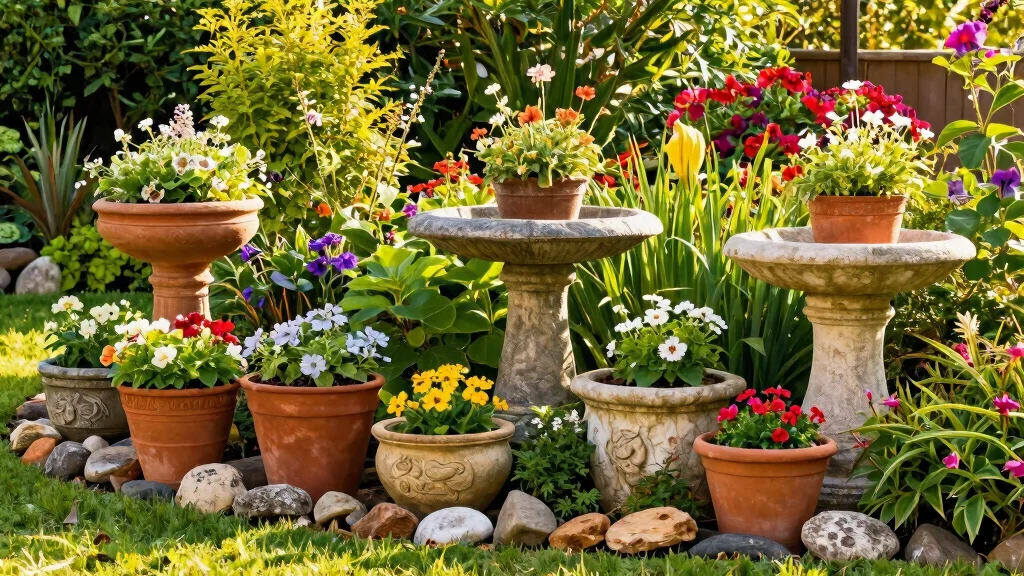
Infuse your wildflower bed with charm by using rustic edging made from natural materials! Incorporating elements like rocks, reclaimed wood, or old bricks can beautifully define your garden space while enhancing the wildflower display. This creative border not only keeps plants contained but also adds visual interest to your garden.
Pair your edging with wildflowers such as black-eyed Susans and goldenrod for height and color contrast against the earthy tones. This combination creates a welcoming atmosphere.
Unique tips for a rustic edge:
– Use locally sourced materials for an authentic look.
– Select flowers that can cascade over the edges for a soft feel.
– Make sure the edging allows for proper water drainage.
This practical yet artistic approach transforms your garden into a picturesque sanctuary.
The Rustic Edging Idea
Editor’s Choice

Landscape Edging Garden Edging Border Faux Stone Edging,17FT x 2.75 in T…

Wood Garden Edging, Wooden Fence Border Decorative Small Picket Panels f…

EasyFlex No-Dig Landscape Edging with Anchoring Spikes, 2.7 in Tall Deco…
4. Pollinator Paradise
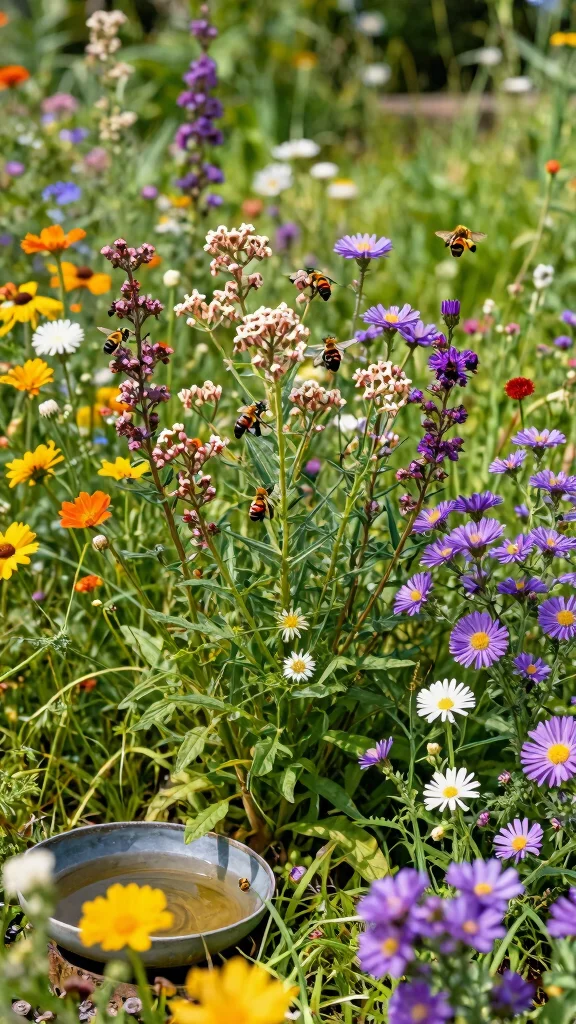
Create a sanctuary for bees, butterflies, and other pollinators with a dedicated wildflower bed! Focus on planting native perennial wildflowers like milkweed, bee balm, and asters that are specifically designed to attract local pollinators. Not only does this support vital wildlife, but it also enriches the ecology of your garden.
Arrange your flowers in groupings to make it easier for pollinators to find their favorites. Adding fragrant herbs like lavender or thyme enhances the attraction.
Gardening tips for a pollinator paradise:
– Avoid using pesticides to create a safe environment.
– Provide a shallow water source with pebbles for thirsty visitors.
– Plant in sunny areas for optimal growth.
Your pollinator paradise will not only be a beautiful addition to your garden but also contribute positively to the local ecosystem.
You might also like
Pollinator Paradise
Editor’s Choice

Live Flowering Bee Balm – Assorted Colors (2 Plants Per Pack), Pollinato…
Wildflower Seeds Bulk Mix – 10,000+ Perennial & Annual Seeds – Texas, Ca…
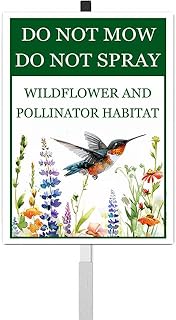
Do Not Mow Do Not Spray Wildflower and Pollinator Habitat Yard Sign With…
5. The Groundcover Garden

Why not swap out traditional grass for a stunning wildflower ground cover? Using low-growing perennial wildflowers such as creeping thyme or clover can create a lush, green carpet that requires minimal upkeep while looking amazing. This design not only reduces lawn maintenance but also conserves water, making it a sustainable choice.
To create visual interest, incorporate taller flowers like foxglove or delphinium in strategic spots. This layering effect adds depth to your garden.
Pro tips for a groundcover garden:
– Opt for drought-tolerant varieties to cut down on watering.
– Prepare your soil well before planting.
– Regularly check for weeds to keep your wildflower bed thriving.
This innovative garden design enhances your outdoor space while supporting environmental sustainability.
Fun fact: Switching to a wildflower flower bed groundcover can slash mowing time by 60% and slash water use by up to 30%. Plant creeping thyme and clover for a lush, low-maintenance carpet that still attracts pollinators.
📹 Related Video: Instant Garden Makeover: Top 7 Fast-Growing Ground Covers to Transform Your Yard ✨👍
Top Varieties for Different Conditions
1. Black-Eyed Susan (Rudbeckia hirta)
– Best conditions: Thrives in full sun and well-drained soil; perfect for hot, dry climates.
– Key features: These cheerful, yellow flowers attract pollinators and bloom all summer. They are hardy and can withstand drought conditions, making them a great choice for low-maintenance gardens.
– Considerations: They may spread aggressively if not monitored, so plan your space accordingly.
2. Purple Coneflower (Echinacea purpurea)
– Best conditions: Ideal for temperate regions with a mix of sun and partial shade.
– Key features: Known for their striking purple petals and orange centers, these perennials draw bees and butterflies. They bloom from mid-summer to fall and are drought-tolerant once established.
– Considerations: They may require deadheading to encourage more blooms, but overall, they are low-maintenance.
3. Bee Balm (Monarda fistulosa)
– Best conditions: Prefers moist, well-drained soil and full sun, making it perfect for humid climates.
– Key features: This fragrant flower produces vibrant colors like red, pink, and purple. It’s a magnet for bees, butterflies, and hummingbirds, enhancing your garden’s pollinator appeal.
– Considerations: Bee balm can be susceptible to powdery mildew in humid areas, so ensure good air circulation.
4. Wildflower Mix (Native Wildflower Seeds)
– Best conditions: Suitable for various climates, especially in areas where native flowers thrive.
– Key features: A mix of wildflowers can create an instant colorful display while requiring minimal care. They’re tailored for specific regions, ensuring they flourish with local conditions.
– Considerations: Ensure you choose a mix that suits your climate, as some species may not thrive in every area.
5. Blanket Flower (Gaillardia)
– Best conditions: Thrives in full sun and well-drained soil, ideal for hot and dry regions.
– Key features: Known for its fiery red and yellow blooms, this hardy perennial attracts birds and pollinators. It blooms from early summer to fall, providing long-lasting color.
– Considerations: While drought-tolerant, they may need some watering during extreme heat.
6. Coreopsis (Coreopsis tinctoria)
– Best conditions: Grows well in full sun and prefers poor to average soil, making it great for low-maintenance areas.
– Key features: With its bright yellow flowers, coreopsis is a joyful addition to your wildflower bed. It blooms all summer long and is loved by butterflies.
– Considerations: They may need dividing every few years to keep them healthy.
7. Asters (Symphyotrichum)
– Best conditions: Thrives in moist, well-drained soil and full sun to partial shade, ideal for transitional zones.
– Key features: Asters bloom in late summer to fall, offering beautiful colors like blue, purple, and white. They are excellent for attracting pollinators during a time when many other flowers have faded.
– Considerations: They can be prone to mildew; select resistant varieties and ensure good air circulation.
Climate/Condition Guide:
Consider your local climate when choosing wildflowers. For hot and dry areas, opt for drought-resistant varieties like Black-Eyed Susan and Blanket Flower. In humid climates, Bee Balm and Asters excel. If you have a cooler, temperate area, Purple Coneflower and Coreopsis will thrive. A wildflower mix can adapt to many conditions, providing vibrant blooms with minimal effort.
Growing Tips:
– Group plants by their water needs to make maintenance easier.
– Mulch around your wildflowers to suppress weeds and retain moisture.
– Water young plants regularly until they establish strong roots.
Avoid:
– Don’t overcrowd your wildflower bed; give each plant room to grow and breathe.
– Avoid overly rich soil, as many wildflowers prefer less fertile conditions to thrive.
The Groundcover Garden
Editor’s Choice

20000+Creeping Thyme Seeds for Planting Outdoor-Heirloom Thymus Serpyllu…

HOME GROWN Foxglove Seeds Mix 8000 (0.8g) Excelsior 2026 Spring for Plan…

Tri-Clover by Eretz – Three Part Blend of Clovers Providing Beauty, Cove…
6. The Seasonal Surprise

Bring excitement to your garden by mixing wildflower seeds for a seasonal surprise! By selecting a combination of annuals and perennials that bloom at different times, you can enjoy a continuous display of color throughout the growing season. Start with early bloomers like poppies, follow with mid-season flowers such as cosmos, and wrap up with late summer asters.
This strategy not only adds beauty but also supports various pollinators throughout the year. Planning your layout ahead of time ensures that you maximize bloom times.
Things to remember for your seasonal surprise:
– Include a variety of shapes and sizes for added interest.
– Use compost to keep soil healthy for your flowers.
– Plan the layout carefully to enhance visual appeal.
Your seasonal surprise wildflower bed will be a stunning highlight, requiring minimal effort once it’s established!
You Might Also Like
The Seasonal Surprise
Editor’s Choice
200,000+ Wildflower Seeds Bulk (4oz) – 16 Varieties Perennial & Annual…
7. The Community Collaboration Bed

Strengthen community ties by creating a collaborative wildflower bed! This idea invites neighbors to come together and plant a wildflower bed in a shared space, enriching the environment while fostering community spirit. Each participant can contribute different seeds or plants, promoting biodiversity and creating a beautiful patchwork of colors and textures.
Organizing seasonal planting events keeps everyone involved and excited about the project.
Collaboration tips for your community bed:
– Hold regular meetings to discuss plans and share ideas.
– Choose a location that is accessible to all, like a park or community center.
– Celebrate the blooms with a community gathering to enjoy the flowers together.
This collaborative effort not only beautifies the area but also deepens connections among neighbors, making gardening a truly shared experience.
The Community Collaboration Bed
Editor’s Choice
Wildflower Seeds Bulk Mix – 10,000+ Perennial & Annual Seeds – Texas, Ca…

Kynup Garden Tools, Gardening Tools Set with Garden Hand Shovel, Garden …
Conclusion

Incorporating wildflower beds into your garden not only enhances beauty but also creates essential habitats for our precious pollinators.
With these seven ideas, you can create stunning, low-maintenance gardens that are sure to delight throughout the seasons.
Whether you choose a colorful mosaic, a minimalist meadow, or even engage your community, your wildflower bed will provide a vibrant, flourishing space for both you and nature to enjoy.
Note: We aim to provide accurate product links, but some may occasionally expire or become unavailable. If this happens, please search directly on Amazon for the product or a suitable alternative.
This post contains Amazon affiliate links, meaning we may earn a small commission if you purchase through our links, at no extra cost to you.
Frequently Asked Questions
What exactly is a wildflower flower bed, and why is it great for pollinators?
A wildflower flower bed is a thoughtfully planted mix of native or easy-care wildflowers designed for color and habitat. It’s a pollinator habitat that looks beautiful with minimal effort.
To get started, choose perennial wildflowers suited to your sun and soil, sow seeds in fall or plant plugs, and spread a light mulch to suppress weeds. Water deeply until established, then let self-seed to keep color going with low-maintenance gardening in the years ahead.
Which easy, low-maintenance wildflowers create the most colorful flower beds?
For a vibrant, easy wildflower bed, try a mix of perennial wildflowers like Black-eyed Susan, coreopsis, echinacea, blanket flower, yarrow, and lupine. These bring bold colors year after year and attract pollinators.
Design tip: group colors by bloom time to ensure continuous color—early, mid, and late season. Pick sun-loving varieties with good drainage to keep maintenance simple and create colorful flower beds with easy wildflower designs.
How can I design a low-maintenance wildflower garden that still attracts bees and butterflies?
Start with a simple layout—drifts or blocks to reduce weeding and mowing. Choose nectar-rich perennial wildflowers and a few self-seeders to maintain long-term color. Plant in a sunny, well-drained spot, avoid pesticides, and provide a shallow water source. Mulch helps conserve moisture and cut down on maintenance, helping your garden become a thriving pollinator habitat with very little effort.
What are some easy wildflower bed ideas I can try with minimal work?
Try these low-effort ideas: 1) meadow-style drift along a border for a natural look; 2) color-blocked beds using a few standout shades for impact; 3) a narrow wildflower strip along paths or edges for simple maintenance; 4) container wildflower planters that mimic a wildflower bed in a small space. All work well with low-maintenance gardening and offer garden landscaping ideas that still feel colorful and lively.
When is the best time to plant and how should I maintain a perennial wildflower bed for ongoing color?
Fall is ideal for many perennial wildflowers, giving roots a cool start before winter. Some cool-season species are best planted in spring. After planting, water regularly until established, then let nature take over with occasional deep watering during droughts. Mulch to suppress weeds, deadhead spent blooms if you want a tidier look, and consider lightly cutting back in late winter to encourage fresh growth. With these steps, your wildflower flower bed stays colorful with minimal ongoing work, perfectly fitting garden landscaping ideas for a pollinator-friendly space.
Related Topics
wildflower flower bed
low-maintenance gardening
easy wildflower designs
colorful flower beds
perennial wildflowers
pollinator habitats
garden landscaping ideas
beginner friendly