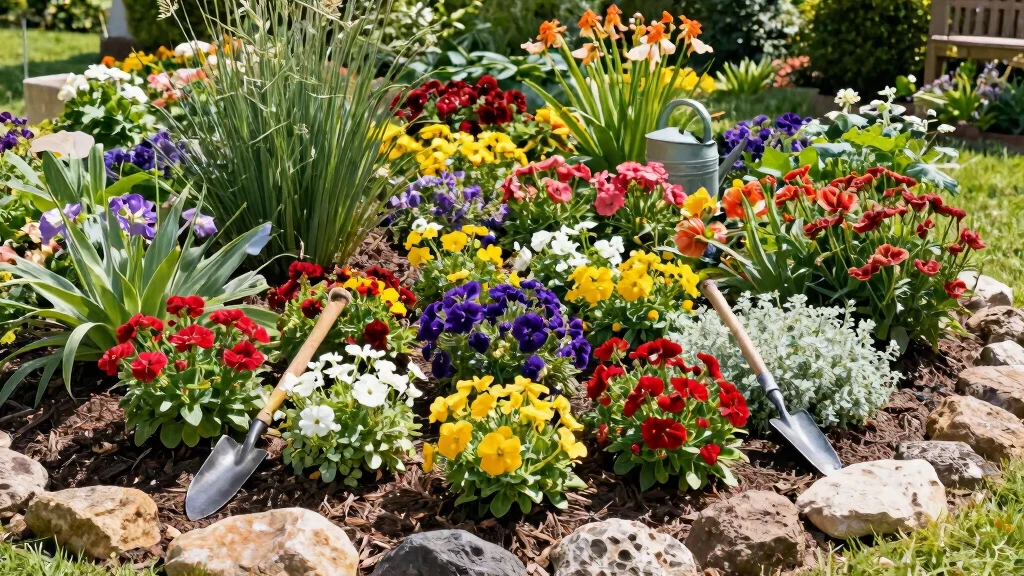
Creating a stunning garden doesn’t have to be a full-time job. With the right approach, you can have beautiful flower beds that require minimal care while thriving in the elements. If you find yourself looking for ways to make your gardening experience easier without sacrificing beauty, this post is just for you. I’ve gathered some fantastic low maintenance flower bed ideas that will help you enjoy a flourishing garden all season long.
Whether you’re a busy professional or a gardening enthusiast seeking simplicity, these ideas cater to everyone who loves flowers but might not have endless time to dedicate to their upkeep. You’ll discover practical tips and designs that are perfect for drought-tolerant gardening. Each flower bed idea is easy to implement and will keep your outdoor space looking gorgeous without the hassle.
Get ready to explore eight inspiring and low-maintenance flower bed ideas! From rock gardens to edible flowers, you’ll find creative ways to cultivate your space. These suggestions are not only beautiful but also sustainable, ensuring your garden flourishes with minimal water and care.
Key Takeaways
– Discover a variety of low maintenance flower bed ideas that thrive year-round, making gardening enjoyable and hassle-free.
– Learn about easy flower bed designs that cater to different styles and preferences, ensuring there’s something for everyone.
– Explore the benefits of using perennial flowers for low maintenance, which bloom every year, reducing the need for replanting.
– Get tips on incorporating drought-resistant plants to create a sustainable garden that conserves water without sacrificing beauty.
– Understand how to use seasonal flower bed tips to keep your garden visually appealing through various seasons with minimal effort.
1. Rock Garden Bliss
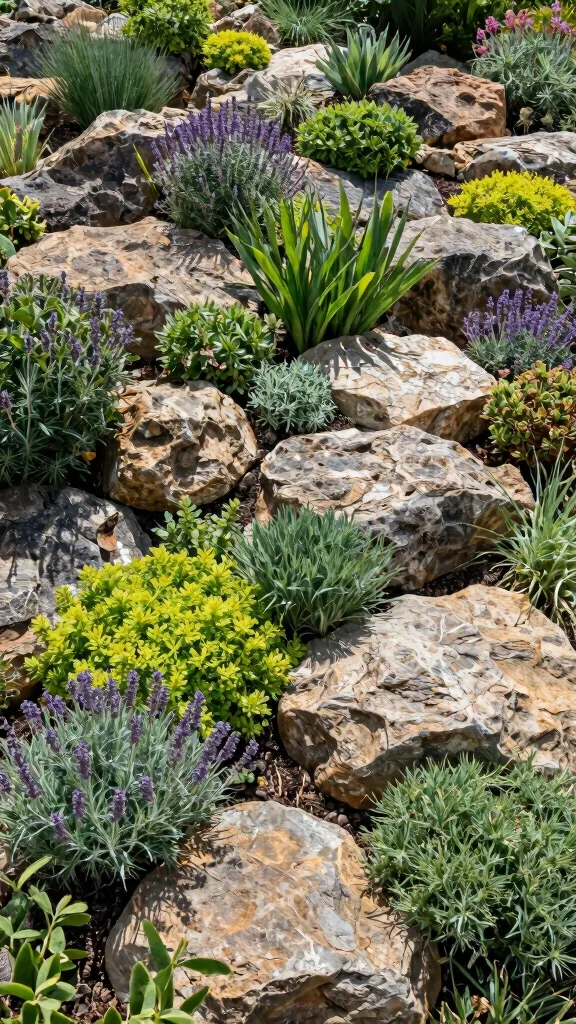
If you’re looking for a way to brighten your garden while using less water, a rock garden could be your answer. These beautiful landscapes combine various plants and stones, creating a unique and eye-catching space. By choosing drought-resistant options like sedum, thyme, and lavender, you can enjoy a stunning display with minimal upkeep.
To get started, think about your layout and the types of plants you want. Arrange your rocks to create levels and interest, and group plants with similar watering needs together. This approach not only saves water but also enhances the overall health of your garden.
Key steps to design your rock garden:
– Select a range of rock sizes for depth and texture.
– Group drought-tolerant plants for easy care.
– Incorporate flowering perennials for seasonal color.
Creating a rock garden not only beautifies your outdoor space but also makes caring for it a breeze.
Rock Garden Bliss
Editor’s Choice

YISZM 40lbs Natural River Rocks, 3″-4″ Premium Pebbles for Garden and La…


XLUX Long Probe Deep Use Soil Moisture Meter, Water Monitor Indicator Se…

Sedum rupestre,Sedum reflexum,Jenny’s stonecrop 500 Seeds,evergreen pere…
2. Perennial Powerhouses
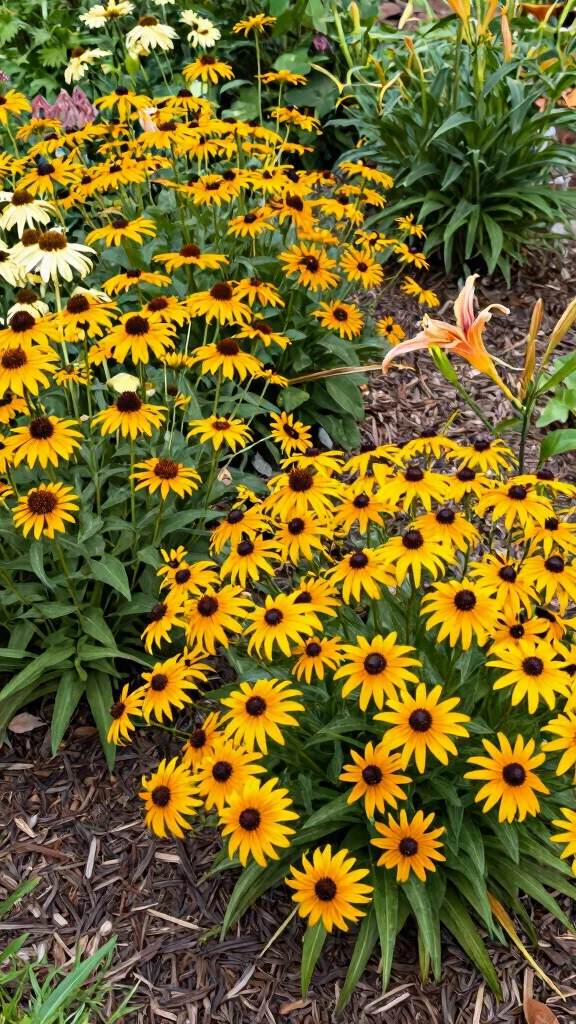
Perennial flower beds are a fantastic way to enjoy vibrant blooms without the hassle of replanting each year. Once established, these flowers return season after season, making them a smart choice for busy gardeners. Consider adding coneflowers, daylilies, and black-eyed Susans for a burst of color that lasts.
To create a thriving perennial garden, mix plants that bloom at various times throughout the season. This ensures that your garden remains lively and colorful from spring until fall.
Here are some effective tips:
– Opt for native perennials that thrive in your area’s climate.
– Plant in clusters for a more dramatic effect and moisture retention.
– Use mulch to keep weeds down and soil moist.
With the right planning, a perennial bed can be an eye-catching, low-maintenance addition to your garden.
📹 Related Video: How to Make New Garden Beds – Flowers, Shrubs, Perennials, Trees
Ongoing Maintenance & Care Guide
Maintenance Schedule:
Daily/Weekly Tasks:
– Watering: Check your flower beds for moisture. Water as needed, especially during dry spells. This usually takes about 10-15 minutes, depending on the size of your garden.
– Weeding: Spend a few minutes pulling out any weeds that pop up. This prevents them from taking over. Aim for about 15-20 minutes once a week.
– Deadheading: Remove spent flowers to encourage new blooms. This simple task takes about 10 minutes every week.
– Pest Inspection: Look for signs of insects daily. Catching pests early helps protect your plants. This could take just a few minutes each day.
Monthly/Seasonal Tasks:
– Mulching: Add a fresh layer of mulch every month to retain moisture and suppress weeds. This takes about 30-45 minutes for an average flower bed.
– Fertilizing: Apply a slow-release fertilizer every month during the growing season. This helps your plants thrive and takes around 20-30 minutes.
– Pruning: Trim back any overgrown plants or dead branches monthly. This keeps your flower bed looking tidy and usually takes about 30-60 minutes.
– Seasonal Planting: Swap out seasonal flowers or add new perennials at least twice a year. This can take a few hours, depending on how many plants you are adding.
– Soil Testing: Test your soil for pH and nutrient levels every season. This helps you know what your plants need to grow strong. This task takes about 45 minutes, including sending samples to a lab if needed.
Maintenance Summary Table:
| Task | Frequency | Difficulty | Time Needed |
|————————–|—————-|—————|——————–|
| Watering | Daily/Weekly | Easy | 10-15 minutes |
| Weeding | Weekly | Easy | 15-20 minutes |
| Deadheading | Weekly | Easy | 10 minutes |
| Pest Inspection | Daily | Easy | 5 minutes |
| Mulching | Monthly | Moderate | 30-45 minutes |
| Fertilizing | Monthly | Easy | 20-30 minutes |
| Pruning | Monthly | Moderate | 30-60 minutes |
| Seasonal Planting | Biannual | Moderate | Few hours |
| Soil Testing | Seasonal | Moderate | 45 minutes |
Common Issues to Watch For:
⚠️ Yellowing Leaves: Check for over-watering or nutrient deficiencies. If the leaves are turning yellow, it might be time to adjust your watering schedule or add fertilizer.
⚠️ Wilting Plants: This often indicates a lack of water. Inspect the soil moisture; if it’s dry several inches down, water thoroughly.
⚠️ Pest Damage: Look for holes in leaves or sticky residue. If you see this, you might need to apply organic pest control methods.
⚠️ Mold or Mildew: If you notice white spots on leaves, this could be mold. Ensure good airflow and avoid overhead watering to prevent this issue.
⚠️ Root Rot: Plants that are wilting despite wet soil may have root rot. Carefully check the roots and remove any that are brown or mushy.
Care Tips:
💡 Choose Native Plants: Native flowers are usually more resilient and require less care. They adapt well to your local climate and soil conditions.
💡 Group Plants Wisely: When designing your flower bed, place plants with similar water and sunlight needs together. This makes watering more efficient and keeps your garden healthy.
💡 Use Drip Irrigation: Consider setting up a simple drip irrigation system. This method conserves water and ensures your plants get consistent moisture without over-watering.
💡 Keep Tools Handy: Store your gardening tools close to your flower bed. This makes it easier to tackle tasks like weeding or deadheading quickly when you notice something needs attention.
💡 Observe Your Garden: Spend time just looking at your flowers. Daily observations can help you catch problems early and appreciate the beauty of your hard work.
Taking care of your low maintenance flower bed doesn’t have to be overwhelming. With a practical schedule and mindful habits, you can enjoy a beautiful garden all season long!
Perennial Powerhouses
Editor’s Choice

WANCHI Gardening Gloves, Durable and Comfortable Women’s Long Garden Glo…

KVR Upgraded Garden Kneeler and Seat with Thicken & Widen Soft Kneeling …

Grenebo Gardening Tools 9-Piece Heavy Duty Garden Hand Tools with Fashio…
3. Succulent Sensation
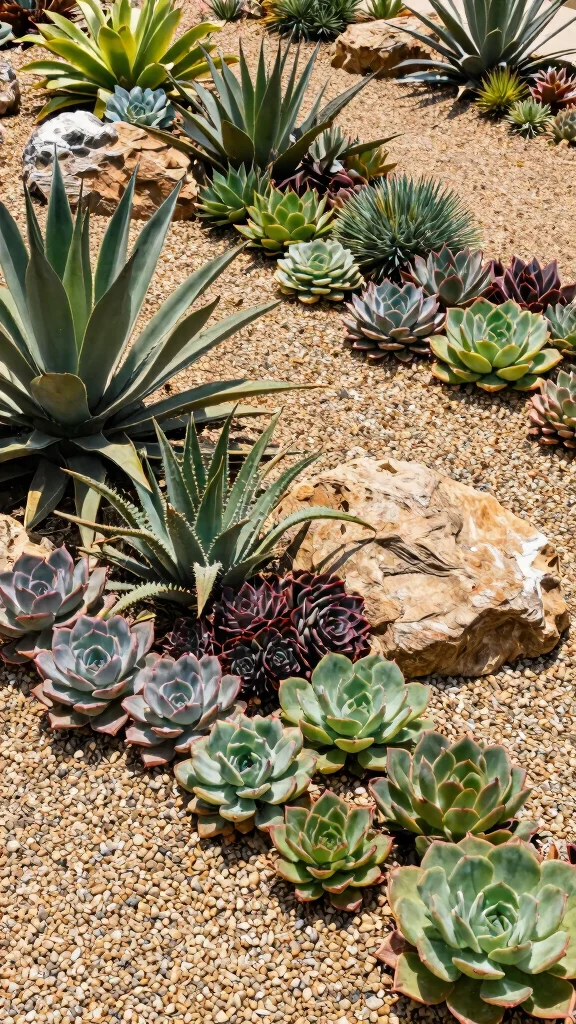
Succulents are not just for indoor spaces; they can also create mesmerizing outdoor flower beds! These hardy plants thrive on minimal water and come in an array of colors and shapes. Incorporating varieties like agave, aloe, and echeveria gives your garden a sleek, modern look.
When designing your succulent garden, use rocks or gravel to enhance drainage and aesthetic appeal. This setup makes it easy to care for your plants while making them stand out.
Steps to create your succulent garden:
– Mix different textures and colors for visual interest.
– Group plants with similar watering needs for easy maintenance.
– Add decorative stones or driftwood for extra flair.
Succulents offer an attractive, low-maintenance option that will thrive even in the warmest months.
Succulent Sensation
Editor’s Choice

Shop Succulents Echeveria & Rosette Live Succulent Variety Pack – Full…

Back to the Roots 100% Organic Succulent & Cacti Mix (6 Quart) | Made in…
Colorful Glow-in-the-Dark Garden Stones, 2026 New Glow in the Dark Rocks…
4. Pollinator Paradise

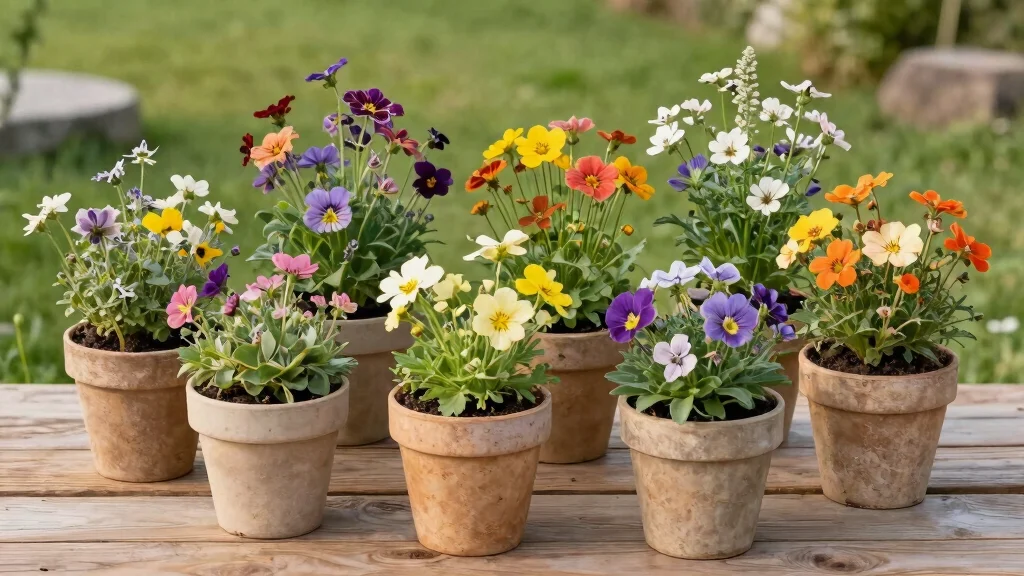
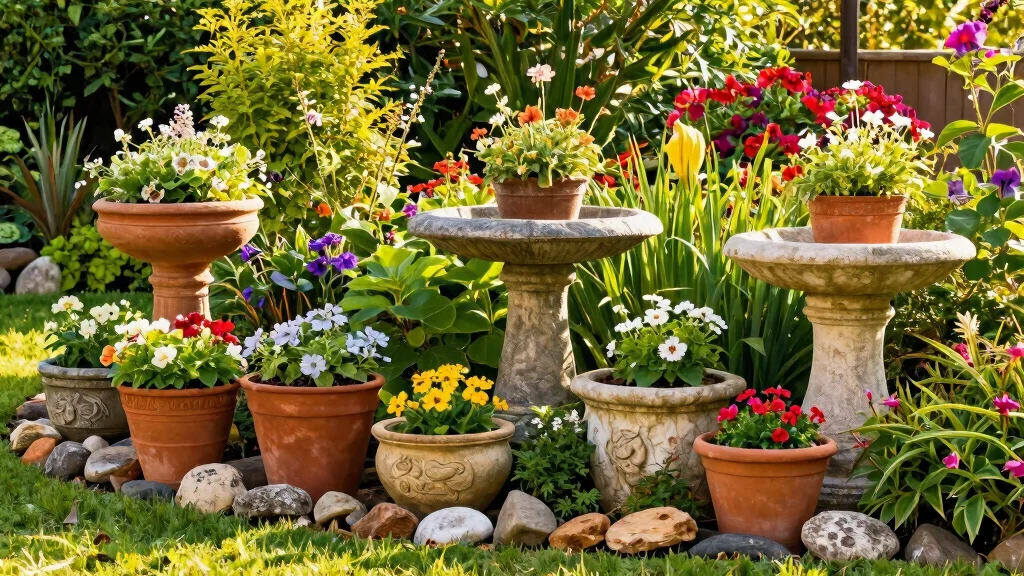
Designing a pollinator-friendly flower bed is a wonderful way to support local wildlife while enjoying a colorful garden. By planting a mix of wildflowers such as milkweed, butterfly bush, and bee balm, you’ll attract bees and butterflies to your yard. These plants are often drought-resistant, making them a low-maintenance option.
To maximize the benefits of your pollinator bed, focus on native wildflowers that are well-adapted to your climate. Grouping flowers together will also create inviting habitats for these essential insects.
Tips for a successful pollinator garden:
– Select native plants for better growth and less care.
– Cluster flowers to enhance pollinator attraction.
– Avoid pesticides to keep the garden safe for wildlife.
Your vibrant garden will not only look beautiful but also play a crucial role in supporting local pollinators.
Fun fact: a single pollinator-friendly bed with drought-tolerant wildflowers can support dozens of bees and butterflies while using 30% less water. It’s a perfect way to pursue low maintenance flower bed ideas.
You might also like
Pollinator Paradise
Editor’s Choice
Back to the Roots 100% Organic Mulch, 58 Quart, Expanding Coconut Husk B…

Burpee Wildflower 25,000 Bulk, 1 Bag, 18 Varieties of Non-GMO Flower See…

Wooden Insect House, Insect Hotel for Bugs, Bees, Butterflys, Ladybirds,…
5. Edible Flower Garden
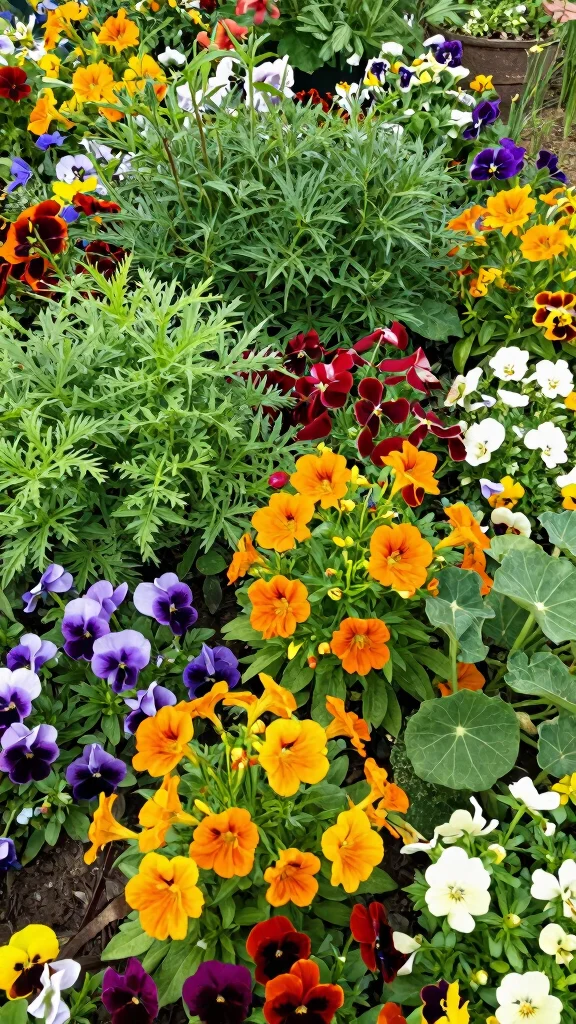
Why not turn your flower bed into a delightful edible garden? Incorporating flowers like nasturtiums, pansies, and chamomile not only enhances your garden’s beauty but also gives you delicious ingredients for your meals. These edible flowers can brighten up salads and teas while adding flavor.
When planning your edible flower garden, choose varieties that thrive in your climate and require minimal care. Mixing flowers with herbs can make your garden both pretty and practical.
Steps to build your edible flower bed:
– Select low-maintenance flowers that suit your growing conditions.
– Combine herbs with flowers to diversify your garden’s use.
– Space plants appropriately for growth and air circulation.
With an edible flower garden, you’ll enjoy a beautiful display and the satisfaction of harvesting your own ingredients.
Edible Flower Garden
Editor’s Choice

Seed Needs Nasturtium Seeds Jewel Mix Multicolored Edible Flowers | 1.5 …

LEETOLLA Elevate 32″ Tall Raised Garden Bed Outdoor with Wheels & Shelf …
6. Xeriscape Flower Beds
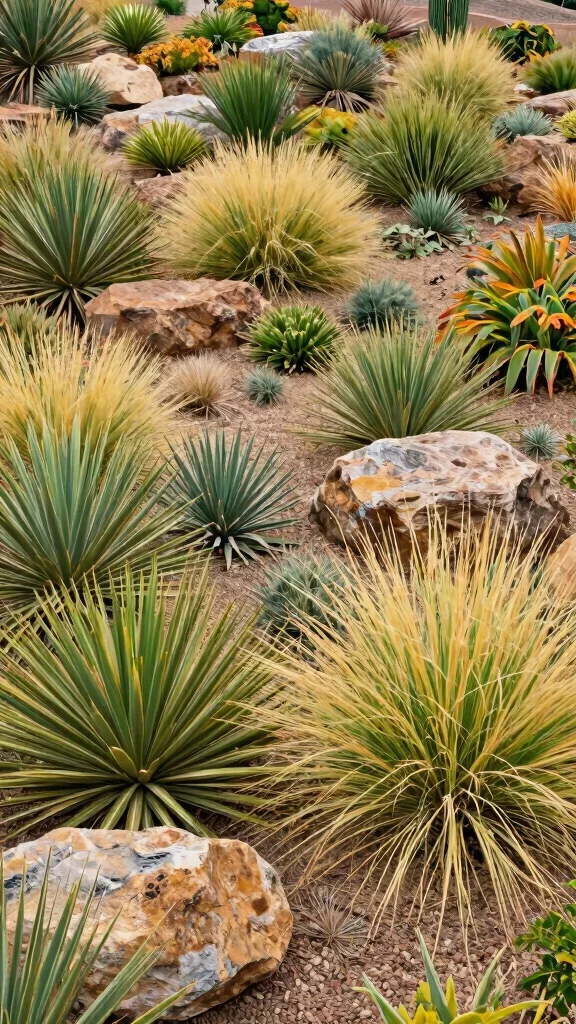
Xeriscaping is an excellent choice for gardens in dry areas, focusing on water conservation with drought-resistant plants. By filling your flower beds with yucca, sages, and ornamental grasses, you can create a stunning and sustainable landscape.
To design a successful xeriscape garden, arrange plants based on their water needs. Incorporating mulch helps retain moisture and keep weeds at bay, while rock paths can enhance both accessibility and aesthetics.
Key strategies for xeriscaping:
– Group plants with similar water requirements together.
– Use mulch to conserve moisture and limit weeds.
– Create pathways with stones for added charm.
Xeriscaping not only saves water but also results in a beautiful, textured garden that thrives in dry conditions.
💬 Xeriscape basics prove a win: water use can drop by up to 50% with drought-tolerant plants. For low maintenance flower bed ideas, mix yucca, sages, and ornamental grasses, mulch generously, and lay rock paths to reduce upkeep and keep beauty steady year-round.
Xeriscape Flower Beds
Editor’s Choice

Landscape Decomposed Granite | 20 Pounds | Natural, Crushed Rock Fines G…
Back to the Roots 100% Organic Mulch, 58 Quart, Expanding Coconut Husk B…

Red Yucca Seed HESPERALOE PARVIFLORA RUBRA 25 Seeds
7. Seasonal Color with Annuals

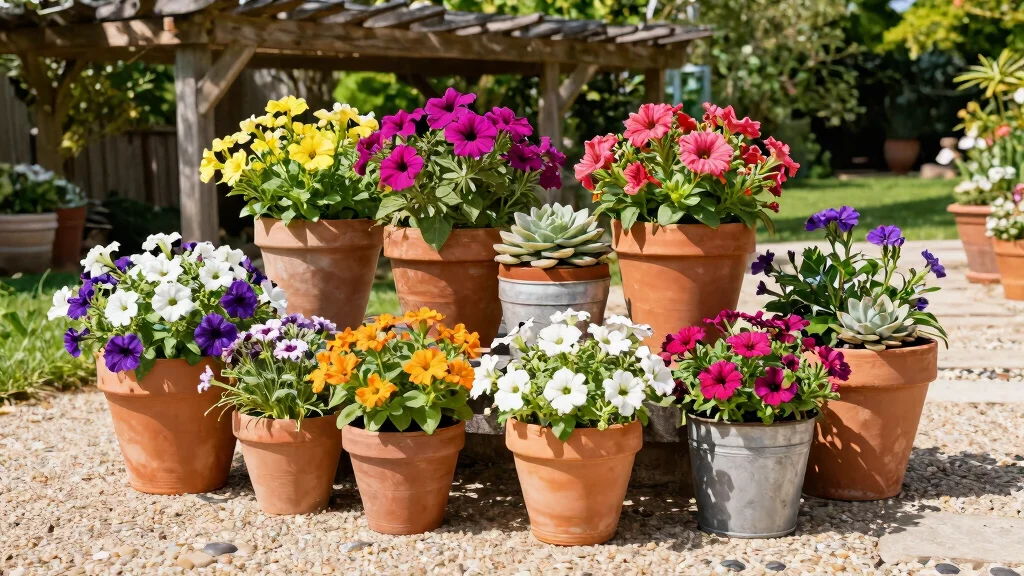
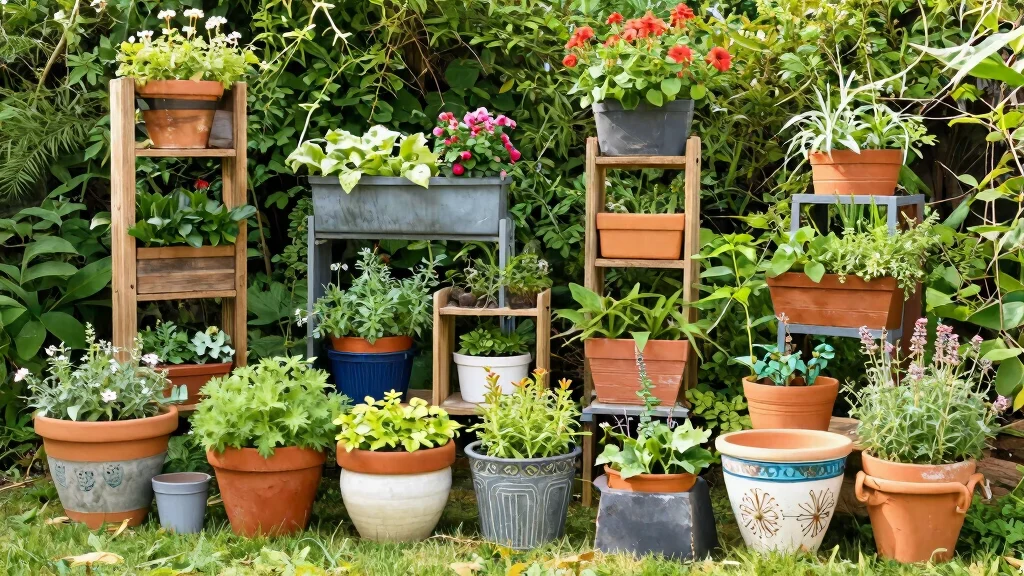
While perennials are a great foundation, adding seasonal annuals can inject vibrant color into your garden. Flowers like marigolds, zinnias, and cosmos fill in gaps and bring life to your landscape throughout the year.
To effectively blend annuals into your garden, choose drought-tolerant varieties that thrive with minimal water. Rotating your annuals seasonally ensures fresh blooms and colors while mixing them with perennials extends your garden’s beauty.
Tips for integrating annuals:
– Select drought-resistant annuals for easy care.
– Rotate flowers each season for variety.
– Combine annuals with perennials for continuous blooms.
With thoughtful selection, annuals can add lively bursts of color without demanding much maintenance.
Did you know that adding seasonal annuals can boost color by 60% in a drought-tolerant bed with only 15–20% extra watering? Mix marigolds, zinnias, and cosmos with perennials for lasting beauty all season—it’s a core part of low maintenance flower bed ideas.
You Might Also Like
Seasonal Color with Annuals
Editor’s Choice

Outsidepride Dryland Wildflower Seed Mix – 1 lb. Colorful Blend of Droug…

Brut Organic Aspen Mulch 10 QT – Natural Moisture Retainer & Root Prot…
8. Simple Spacing and Design

Sometimes, simplicity is the key to a low-maintenance flower bed. Opt for a few standout plants spaced to allow for growth, creating a modern and clean look. This minimalist approach significantly reduces care requirements while still making a strong statement.
Consider these design tips for a simple yet effective flower bed:
– Choose a few focal plants for maximum impact.
– Use light-colored mulch to reflect heat and conserve moisture.
– Plan a clear layout to simplify maintenance and enhance beauty.
A minimalist design can be both stunning and easy to manage, making it an ideal choice for today’s gardener.
Simple Spacing and Design
Editor’s Choice

Back to the Roots 25.7qt (1 Cubic ft) Organic Premium Mulch

Fine Gardening Beds & Borders: Design Ideas for Gardens Large and Small
Conclusion
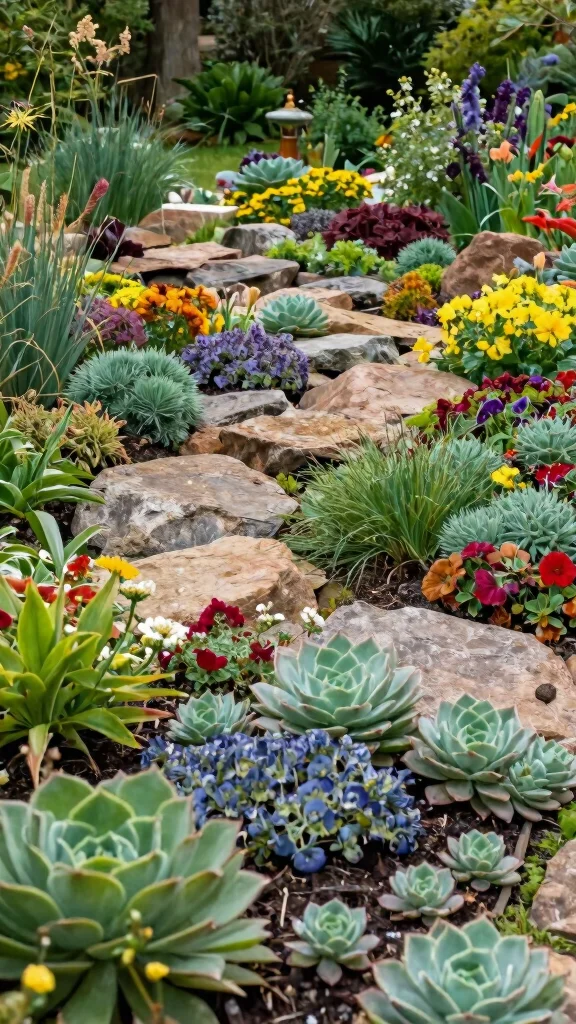
Low maintenance flower beds are a gardener’s dream come true, allowing you to enjoy the beauty of nature without the extra hassle. From drought-tolerant perennials to vibrant edible flowers, these ideas inspire creativity while promoting sustainable gardening practices.
Consider these tips as you design your garden, and you’ll find a blend of beauty and sustainability that makes your outdoor space thrive effortlessly.
Note: We aim to provide accurate product links, but some may occasionally expire or become unavailable. If this happens, please search directly on Amazon for the product or a suitable alternative.
This post contains Amazon affiliate links, meaning we may earn a small commission if you purchase through our links, at no extra cost to you.
Frequently Asked Questions
What are the best low maintenance flower bed ideas for a drought-tolerant garden?
For low maintenance flower bed ideas that perform in dry conditions, start with drought-tolerant plants and group them by water needs. Choose perennial flowers for low maintenance such as lavender, echinacea, rudbeckia, and sedum so you get long-lasting color with less fuss.
Install a simple drip irrigation or soaker hose to water deeply and infrequently, and improve soil with compost to boost moisture retention.
Keep easy flower bed designs in mind—repetition, clear lines, and mass plantings make maintenance a breeze. Finally, refresh mulch each season and prune lightly after blooms fade to maintain a tidy, sustainable bed.
Which perennial flowers are ideal for a low-maintenance, drought-resistant bed?
Consider these perennial flowers for low maintenance that thrive with little water: Echinacea (purple coneflower), Rudbeckia (Black-eyed Susan), Coreopsis, Sedum, Nepeta (catmint), and Agastache (hyssop). These drought-resistant plants bloom reliably year after year with minimal feeding. Plant them in sunny spots, group by water needs, and mulch well to lock in moisture.
To keep color steady, use a simple palette and repeat a couple of species for easy care. Deadhead faded flowers sparingly and divide clumps every 2–3 years to maintain vigor.
How can I design an easy flower bed that stays beautiful all season long?
Start with easy flower bed designs that rely on a few reliable textures and colors. Build a backbone of drought-tolerant perennials and evergreen foliage, then add small bursts of seasonal color with bulbs or annuals in strategic spots. Place tall plants at the back, mid-height in the center, and low ground covers at the front for year-round structure. Use drought-resistant plants in groups with the same sun and water needs so you water once and get consistent growth. Finish with a generous mulch layer and a simple irrigation plan to keep the bed tidy and thriving with minimal upkeep.
What seasonal flower bed tips should I follow for sustainable, low upkeep gardening?
Embrace seasonal flower bed tips that support low upkeep gardening techniques. In spring, prepare soil, refresh compost, and plant deep-rooted perennials. In summer, apply mulch, install or inspect a drip irrigation system, and choose drought-tolerant species that bloom over long periods. In fall, divide crowded perennials, plant bulbs for spring color, and clean up spent stems to reduce pests. In winter, protect tender roots with mulch and avoid heavy feeding. Regularly check irrigation emitters and adjust watering as weather changes for sustainable results.
What maintenance schedule keeps a drought-tolerant bed looking great with minimal effort?
Create a simple schedule that fits your climate. Spring: clean up the bed, sharpen edges, replenish mulch (2–3 inches), and check your low upkeep gardening techniques like drip irrigation. Summer: deep-water less often, mulch again as needed, and deadhead or prune lightly to shape growth. Fall: divide overcrowded perennials, plant bulbs, and add fresh mulch. Winter: perform a light inspection, remove any diseased material, and keep the bed undisturbed to protect organisms. With this routine, your low maintenance flower bed ideas stay beautiful and resilient year round.
Related Topics
low maintenance flower bed
drought-resistant plants
easy flower bed designs
perennial flowers
sustainable gardening
seasonal flower beds
beginner friendly
drought-tolerant flowers
low upkeep gardening
garden design tips
flower bed ideas
easy gardening techniques