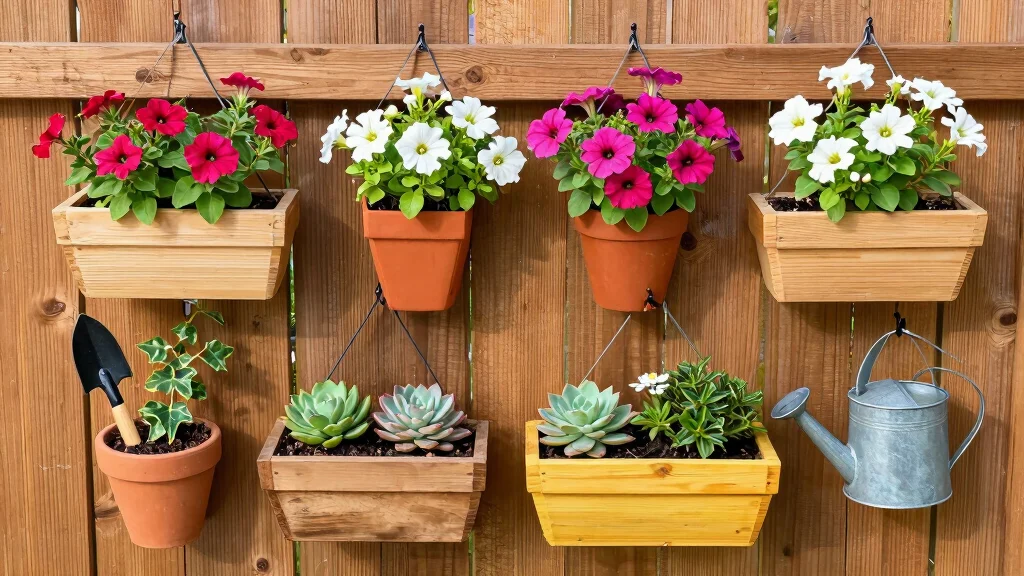
Looking to brighten up your outdoor space? You’re in the right place! The arrival of spring often makes me crave bursts of color and life in my garden. There’s something special about watching flowers bloom and greenery thrive. If you’re a garden enthusiast eager to enhance your yard with style and flair, you’ll find this post especially helpful.
I’ve gathered some fantastic ideas to inspire you. Whether you have a sprawling backyard or a cozy patio, fence hanging planters are a great way to incorporate vertical gardening into your design. These planters not only maximize space but also add layers of texture and color to your garden. In this article, you’ll discover ten unique fence hanging planters that offer a delightful variety of colorful plants perfect for every corner of your outdoor oasis.
Get ready to elevate your gardening game! You’ll receive practical tips and creative ideas to transform your yard into a vibrant retreat. From cheerful petunia displays to lush succulent arrangements, there’s something for everyone. Let’s dive in and explore how you can make your outdoor area a lively haven!
Key Takeaways
– Versatile Design: Fence hanging planters work well in any space, whether you have a small balcony or a large backyard, making them perfect for every gardener.
– Colorful Choices: Choose from a variety of colorful plants like petunias, herbs, and succulents to create stunning displays that brighten your yard throughout the seasons.
– Space Management: Vertical gardening helps you maximize limited outdoor areas, giving your plants room to grow without taking up valuable ground space.
– Seasonal Displays: Plan for rotating seasonal displays that evolve over the year, ensuring your garden consistently has fresh and exciting visuals.
– DIY Fun: Many of these planter ideas can be created as DIY projects, allowing you to personalize your outdoor decor while enjoying gardening as a fulfilling hobby.
1. Bright Petunia Displays
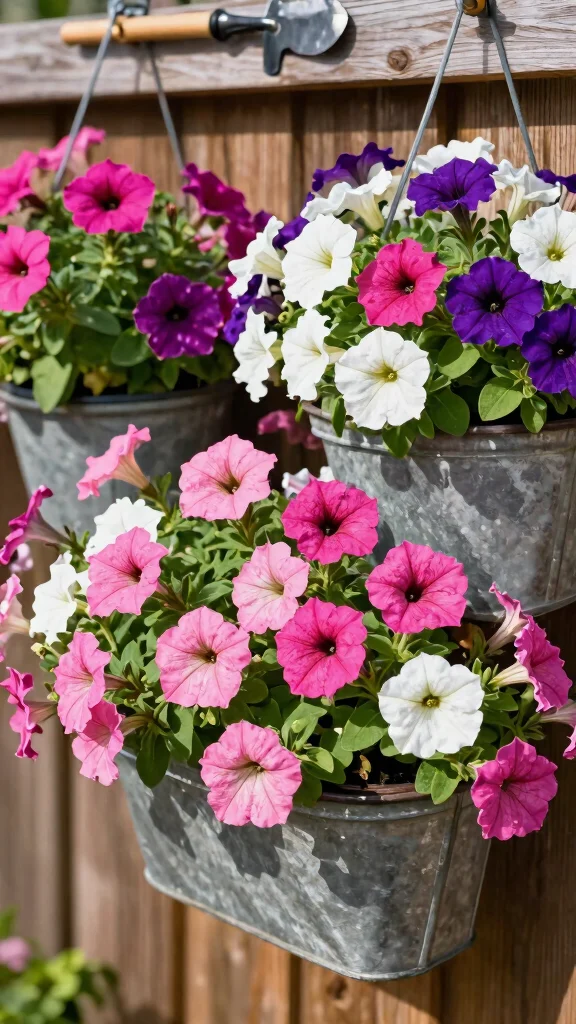
Imagine vibrant petunias spilling over your fence in a stunning array of colors. These cheerful flowers are perfect for brightening any outdoor space. With shades ranging from deep purples to soft pinks, they’re perfect for creating eye-catching displays that will leave your neighbors in awe. Petunias thrive in sunlight and well-drained soil, making them a fantastic choice for vertical gardening enthusiasts. You can easily mix and match colors to craft beautiful gradients that draw the eye and elevate your garden’s charm.
Start by selecting a variety of petunia types to add depth to your planters. Regular deadheading encourages continuous blooms, ensuring a long-lasting display. Keep them hydrated, especially during the hot summer months, to maintain their vibrant look.
Key tips for using petunias:
– Combine trailing and upright varieties for added dimension.
– Deadhead regularly to promote blooming.
– Water consistently, especially in heat.
With tiered hanging planters, petunias create a breathtaking cascade of colors, turning your fence into a floral masterpiece.
Fun fact: Petunias bloom best with 6+ hours of sun and well-drained soil. A set of fence hanging planters can hold 8–12 plants, creating a vibrant gradient from deep purples to soft pinks along your fence.
Bright Petunia Displays
Editor’s Choice

Miracle-Gro Shake ‘N Feed Tomato, Fruit and Vegetable Plant Food – Ferti…


Wells Lamont Gardening Gloves for Women – Breathable Polyester, Seamle…

Hanging Moon Planter – Moms Day Gifts for Women – Moon Room Decor – Uniq…
2. Lush Succulent Arrangements
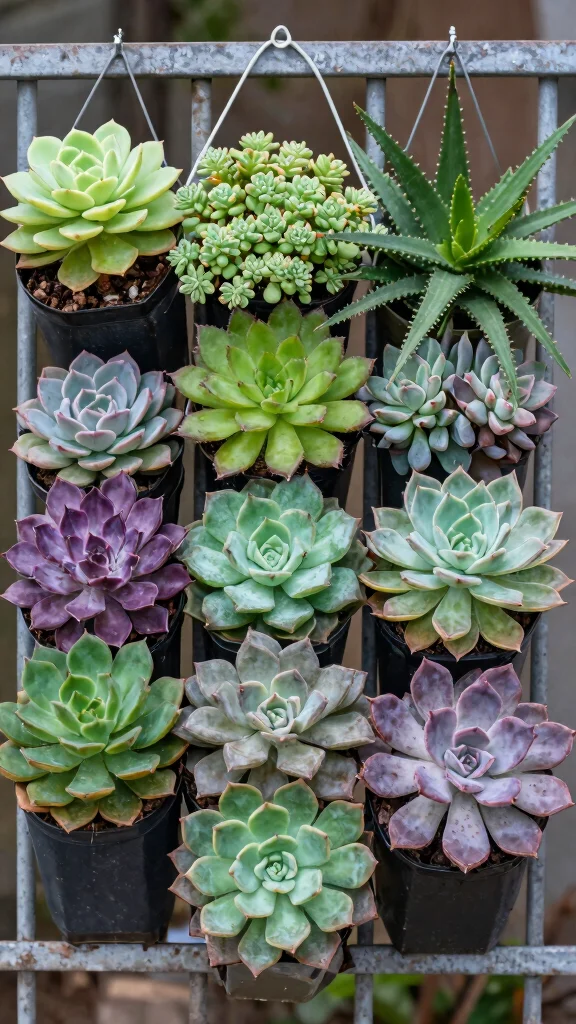
Looking for a low-maintenance yet stylish option? Hanging planters filled with succulents are the way to go! These hardy plants come in various shapes and colors, from rich greens to vibrant reds, making them perfect for any outdoor setting. Their minimal watering needs make them ideal for those who may not have a lot of time or a green thumb. Succulents shine in smaller spaces, proving that you can enjoy a lush display without a lot of fuss.
When arranging your succulents, mix different textures to create visual interest. It’s crucial to use a well-draining potting mix to prevent root rot, and place them where they can soak up bright light without direct, harsh sun. Grouping them creatively will enhance their unique forms against your fence backdrop.
Best practices for succulent hanging planters:
– Use well-draining soil to avoid rot.
– Mix textures for a visually appealing display.
– Keep them in bright light but out of direct sun.
A staggered layout will showcase your succulents beautifully, turning your planters into a stunning focal point.
Lush Succulent Arrangements
Editor’s Choice
Small Watering Can for Indoor Plants, Mini Indoor Watering Can with Long…

Keter Resin Rattan Set of 2 Round Hanging Planter Baskets for Indoor and…

Back to the Roots 100% Organic Succulent & Cacti Mix (6 Quart) | Made in…
3. Trailing Ivy and Ferns Combination

If you adore lush greenery, combining trailing ivy and ferns can create a soothing and serene atmosphere. These plants thrive in partial shade, making them an excellent choice for shaded areas of your yard. Their contrasting textures provide a calming backdrop to your garden, enhancing your outdoor experience.
To keep your ivy and ferns healthy, mix potting soil with compost for added nutrients. Ensure the soil remains moist but not soggy, especially for the ferns. Pruning regularly will help control growth and keep your plants looking fresh and vibrant.
Tips for growing ivy and ferns together:
– Enrich soil with compost for better growth.
– Maintain moisture without overwatering.
– Prune regularly to prevent overcrowding.
The gentle drape of ivy paired with the delicate fronds of ferns creates a tranquil vibe, making your garden a perfect retreat.
Trailing Ivy and Ferns Combination
Editor’s Choice

LA JOLIE MUSE Large Hanging Planters – 13 Inch Flower Pots Outdoor Indoo…

Miracle-Gro Organic Outdoor Potting Mix – Plant Soil for Outdoor Contain…

Fiskars Bypass Pruning Shears, 5/8″ Cut Capacity Gardening Scissors, Sel…
4. Colorful Herb Gardens
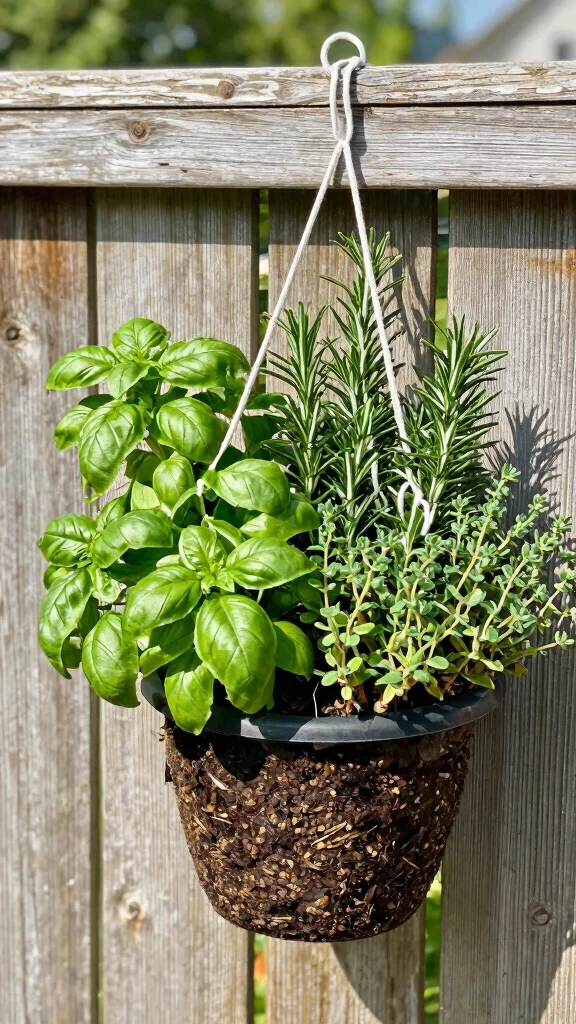
Why not turn your fence into a colorful herb garden? Growing herbs like basil, rosemary, and thyme not only beautifies your space but also enhances your meals with fresh flavors. Having these culinary delights just an arm’s reach away while cooking outdoors is a game-changer!
For thriving herbs, ensure your containers have proper drainage to prevent sogginess. Using a rich organic potting mix will encourage robust growth, and regular harvesting will keep your herbs bushy and vibrant.
Best practices for herb planters:
– Ensure containers drain well to avoid waterlogging.
– Use organic soil for healthy growth.
– Harvest regularly to promote bushiness.
A mix of herbs with varying colors and textures will not only enhance your cooking but also add visual interest to your outdoor space.
📹 Related Video: DIY Hanging Herb Garden
Top Varieties for Different Conditions
1. Bright Petunia Displays
– Best conditions: Ideal for temperate climates, these planters thrive in sunny spots.
– Key features: Petunias bloom in a rainbow of colors and attract pollinators, bringing life to your fence.
– Considerations: They need regular watering and deadheading to maintain blooms throughout the season.
2. Lush Succulent Arrangements
– Best conditions: Perfect for hot, dry climates as they require minimal water.
– Key features: Succulents come in various shapes and hues, creating stunning, low-maintenance displays.
– Considerations: Ensure good drainage to prevent root rot, and place them in full sun for best growth.
3. Trailing Ivy and Ferns Combination
– Best conditions: Great for humid and shaded areas, these plants love moisture.
– Key features: Ivy provides a classic look while ferns add texture and greenery to your vertical garden.
– Considerations: Watch for pests and ensure adequate ventilation to prevent mildew.
4. Colorful Herb Gardens
– Best conditions: Thrives in sunny locations, perfect for those who enjoy cooking with fresh herbs.
– Key features: Basil, rosemary, and thyme not only look good but also serve a practical purpose.
– Considerations: Herbs need regular pruning to promote growth, and some may require more water than others.
5. Vibrant Annuals for Seasonal Color
– Best conditions: Ideal for any climate, especially if you want color changes throughout the year.
– Key features: Annuals like marigolds and zinnias bloom brightly all season long.
– Considerations: These plants will need to be replanted each year, as they do not come back.
6. Whimsical Vertical Garden
– Best conditions: Best suited for mild climates where you can mix and match plants.
– Key features: Create a fun, layered effect using various plant types and colors to express your style.
– Considerations: This setup needs a bit more maintenance and design planning but yields great visual rewards.
7. Minimalist Succulent Wall
– Best conditions: Perfect for hot and dry areas with plenty of sunlight.
– Key features: A clean, modern look that requires minimal upkeep and space.
– Considerations: Make sure to choose a variety of succulents that complement each other in terms of light and water needs.
Climate/Condition Guide:
When selecting your fence hanging planters, think about your local climate. If you live in a temperate zone, you can grow a wider variety of colorful plants. For coastal areas, look for salt-tolerant options. In hot and dry climates, choose drought-resistant plants like succulents. Meanwhile, humid regions favor moisture-loving ferns and ivy.
Growing Tips:
– Regularly check your plants for pests and diseases, especially in warmer months.
– Use high-quality potting soil to give your plants the nutrients they need.
– Water your planters consistently, but ensure they have good drainage to prevent overwatering.
Avoid:
– Don’t overcrowd your planters; this can restrict airflow and lead to disease.
– Avoid using common houseplants that cannot withstand outdoor conditions, as they often struggle in direct sunlight or with temperature changes.
Colorful Herb Gardens
Editor’s Choice

OGIMA 4pcs Hanging Flower Pots, Metal Iron Wall Planter Indoor/Outdoor f…
Back to the Roots 100% Organic Potting Mix (Value 12 Quart) | Premium Bl…

volila Herb Planter Indoor – Set of 3 Warmstone Indoor Herb Garden Pots …
5. Vibrant Annuals for Seasonal Color
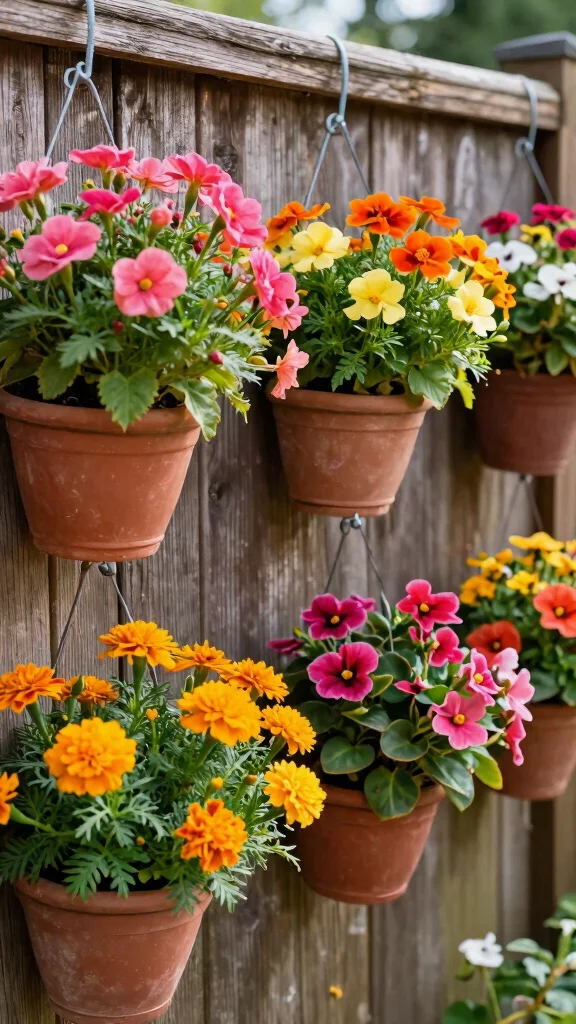
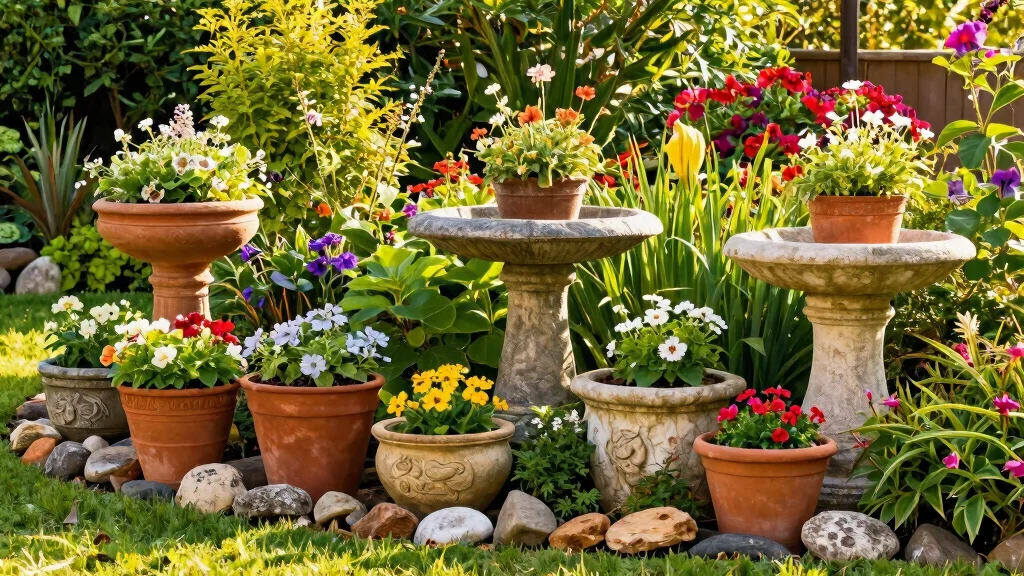
Annual flowers are a fantastic way to infuse your garden with instant color and joy. Plants like marigolds, zinnias, and begonias can create vivid displays that brighten up your fence. Since annuals bloom throughout the season, they are perfect for adding a lively touch to your backyard.
When planting, consider your color scheme based on the seasons—warm colors for summer and cooler tones for spring. Consistent watering and fertilization will keep your blooms looking vibrant. Mixing different heights and structures will add depth and intrigue to your displays.
Considerations for planting annuals:
– Plan colors by season for harmony.
– Water and fertilize regularly for vibrant blooms.
– Mix heights for added visual interest.
A joyful mosaic of annual flowers can transform your fence into a living canvas, showcasing the beauty of each season.
You might also like
Vibrant Annuals for Seasonal Color
Editor’s Choice

Watering Can Device for Watering Hanging Plant Basket Hard to Reach High…

Miracle-Gro Water Soluble Bloom Booster Flower Food Fertilizer – 10-52-1…

LA JOLIE MUSE Large Hanging Planters – 13 Inch Flower Pots Outdoor Indoo…
6. Whimsical Vertical Garden

Transform your fence into a whimsical vertical garden using unique hanging planters. Mixing various shapes and sizes can create a playful yet stylish display. Consider using repurposed items like old teacups or crates to add character and charm to your garden.
To create a whimsical vertical garden, choose plants with different heights and colors for a lively effect. Grouping planters with distinct textures adds depth, and incorporating small decorative touches like fairy lights will enhance the magical feel.
Tips for creating a whimsical vertical garden:
– Mix various plants for visual diversity.
– Group textures to add interest.
– Add decorative items for charm.
This creative approach will give your yard a personality that can be enjoyed at any time of day.
Whimsical Vertical Garden
Editor’s Choice

TOREVSIOR 5-Tier Vertical Raised Garden Bed, Vertical Garden Planter wit…

Raised Herb Garden Planter Indoor Outdoor with Wheels for Basil, Parsley…
Minetom Solar Fairy Lights,33Ft 100 LED Solar String Lights Outdoor, IP6…
7. Minimalist Succulent Wall
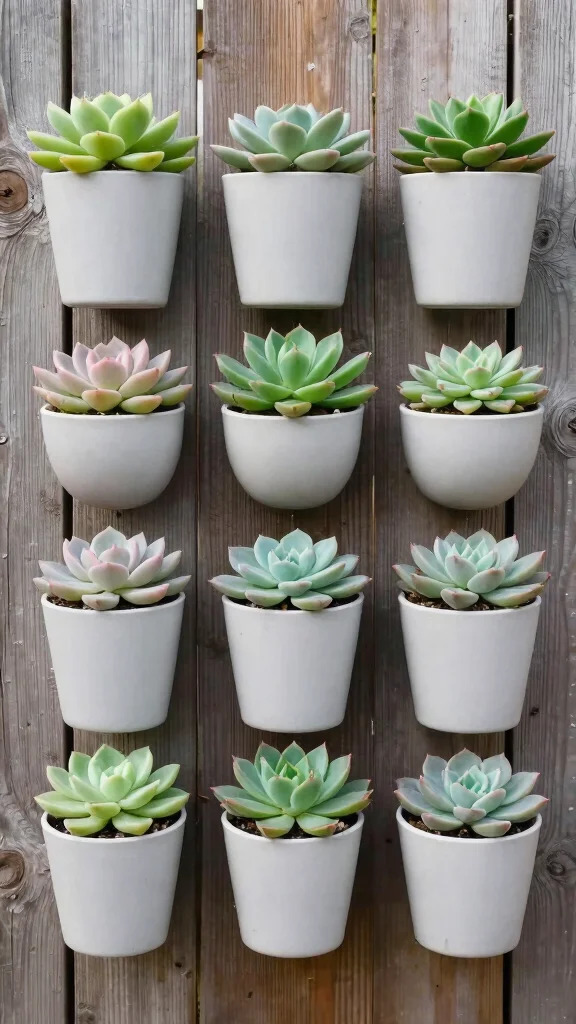
Embrace minimalism in your garden design by creating a sleek succulent wall. Using simple, monochromatic planters allows the beauty of the plants to shine. A clean layout can serve as a stunning focal point on your fence, enhancing your outdoor space.
For a minimalist design, stick to a similar color palette for your planters to maintain a cohesive look. Choosing a limited variety of succulents will keep the aesthetic streamlined, while arranging them in a grid format adds striking visual impact.
Best practices for a minimalist design:
– Use similar planter colors for uniformity.
– Limit succulent varieties for cohesion.
– Arrange planters in a grid for impact.
This approach maximizes vertical space while adding sophistication to your yard, allowing the unique shapes of succulents to take center stage.
Minimalist succulent walls teach patience: use monochromatic planters, limit varieties, and arrange them in a clean grid. When you keep colors cohesive, your fence hanging planters become a calm focal point your whole yard can rely on.
Minimalist Succulent Wall
Editor’s Choice
Altman Plants, Live Succulent Plants (20 Pack) Assorted Potted Succulent…
Back to the Roots 100% Organic Succulent & Cacti Mix (6 Quart) | Made in…
Set of 2 Hanging Planters for Indoor Outdoor Plants, 8 Inch Self-Waterin…
8. Cascading Flower Baskets

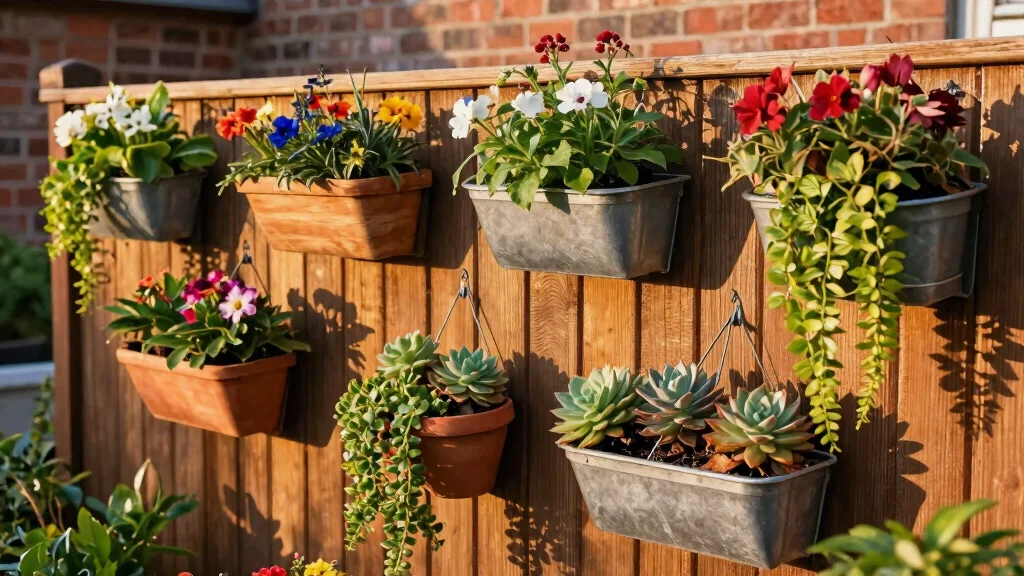
Cascading flower baskets filled with colorful blooms can create a vibrant waterfall effect on your fence. Choose trailing plants like lobelias or fuchsias that gracefully spill over the edges, enhancing the visual appeal of your garden.
When selecting cascading baskets, ensure they are sturdy enough to support the plant weight. Adequate drainage is essential for plant health, and trimming back the plants regularly will promote fuller growth.
Key considerations for cascading baskets:
– Select sturdy baskets for support.
– Ensure proper drainage for health.
– Trim plants regularly for fullness.
Hanging these baskets at varying heights creates a stunning effect that brightens any outdoor area.
You Might Also Like
Cascading Flower Baskets
Editor’s Choice

GLIDLION Artificial Flower & Eucalyptus with Hanging Basket – 2PCS Faux …

4 Inch Plant Pots, 6 Pack Indoor Flower Pots, Planters with Drainage Hol…
9. Edible Flowers for Visual Delight

Adding edible flowers like nasturtiums and pansies to your hanging planters not only beautifies your garden but also brings culinary joy. With their bright colors and fun shapes, these flowers add a whimsical touch to any outdoor space.
When planting edible flowers, ensure they are grown in organic soil free from pesticides. Pairing them with herbs creates a multifunctional planter, while being mindful of their sun exposure needs is essential for optimal growth.
Planting edible flowers:
– Use organic soil to avoid pesticides.
– Combine with herbs for functionality.
– Consider sun exposure needs for growth.
Incorporating edible flowers enhances your garden’s beauty while adding unique flavors to your dishes.
Edible Flowers for Visual Delight
Editor’s Choice
Gift for Women, Mom, Her – 9 Herb Indoor Window Garden Kit | Complete …

Burpee, 9 Quarts | Premium Organic Potting Natural Soil Mix Food Ideal f…

DIIYIV Galvanized Raised Garden Bed Kit Outdoor Patio,12x2x2ft Large Rec…
10. Seasonal Displays that Change with Time
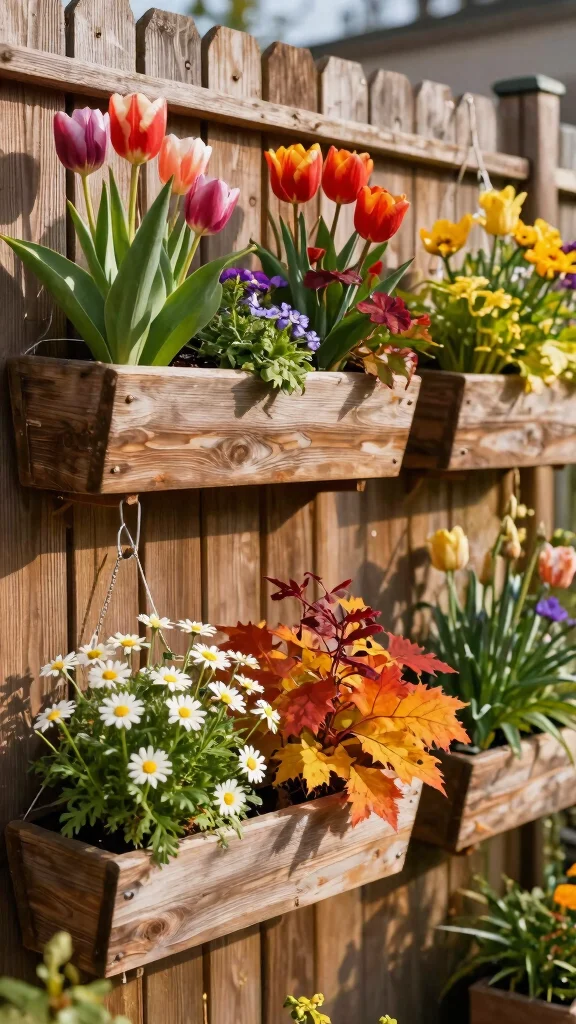
Keeping your garden fresh and exciting is easy with seasonal displays in your hanging planters. Changing out plants based on the seasons maintains visual interest and allows for experimenting with different colors and textures.
Consider using winter-hardy plants like pansies for colder months, then transition to spring blooms like tulips and daffodils as the weather warms. Bright summer flowers and rich fall foliage can create an eye-catching autumn display.
Ideas for seasonal displays:
– Use winter plants like pansies in cold months.
– Transition to spring blooms when warm.
– Opt for summer flowers and fall colors.
This dynamic approach keeps your hanging planters lively, reflecting the beauty of each season.
Seasonal displays in fence hanging planters keep color alive all year—swap in winter pansies, spring tulips, bright summer blooms, and rich fall foliage. It’s a quick, budget-friendly way to refresh a small yard and experiment with textures.
Seasonal Displays that Change with Time
Editor’s Choice
Miracle-Gro Organic Outdoor Potting Mix – Plant Soil for Outdoor Contain…
Keter Resin Rattan Set of 2 Round Hanging Planter Baskets for Indoor and…

100Pcs Calla Lily Seeds Beautiful Flowers Mix Color Perennial Plant
Conclusion

Incorporating fence hanging planters into your garden design is an innovative way to maximize space and bring layers of color to your yard. From vibrant annuals to lush herbs and whimsical arrangements, the possibilities are endless when it comes to beautifying your vertical spaces. Embracing this vertical gardening trend not only enhances your outdoor decor but also allows you to express your creativity and style.
Take time to consider the types of plants and arrangements that will work best in your space, and enjoy the process of transforming your yard into a colorful oasis.
Note: We aim to provide accurate product links, but some may occasionally expire or become unavailable. If this happens, please search directly on Amazon for the product or a suitable alternative.
This post contains Amazon affiliate links, meaning we may earn a small commission if you purchase through our links, at no extra cost to you.
Frequently Asked Questions
What are the best fence hanging planters for small spaces to add color to every part of your yard?
Choosing the right fence hanging planters for small spaces means focusing on weight, drainage, and fit. Start by measuring your fence height and rail spacing, then choose planters that match the width and won’t overcrowd the area. Look for weather‑resistant materials and planters with good drainage to keep roots healthy. Install with corrosion‑resistant hooks or brackets rated for outdoor use, and consider lightweight or self‑watering options to reduce maintenance. For color, pick a cohesive palette of colorful plants that spill and cascade for visual layers.
How can I design a vibrant vertical garden using fence hanging planters?
Turn a plain fence into a living canvas with vertical gardening using fence hanging planters. Start with a color plan: choose 2–3 bold shades and 1 neutral, then group planters by height to add depth. Place sun-loving combinations in bright spots and shade-loving mixes where light is limited. Mix trailing varieties with upright fillers to create texture and movement, and incorporate colorful plants such as petunias, calibrachoa, and sweet potato vine. Finish with a simple irrigation routine to keep blooms coming throughout the season.
Which plants work best in fence hanging planters for color and ease?
Look for a blend of hardy, water‑loving annuals and trailing varieties that suit your sun. For sunny spots, try colorful plants like petunias, calibrachoa, lantana, and sweet potato vine; for shade, consider begonias, impatiens, ferns, and coleus. Use a high‑quality container mix, and ensure good drainage. Pair two or three different textures (flowers, trailing greenery, and leaf color) to keep the display lively all season. With container gardening, you can swap in seasonal favorites whenever you want a color refresh.
How do I install fence hanging planters without damaging my fence?
Protect the fence and your plants by choosing lightweight planters and proper hardware. Start by locating solid rails or studs and choosing corrosion‑resistant hooks or brackets rated for outdoor use. Use adjustable, non‑abrasive mounting hardware to avoid splitting wood or bending vinyl. Space planters evenly to distribute weight and water, and always check drainage so water doesn’t pool behind the fence. If you’re unsure, opt for freestanding posts or wall‑mounted brackets designed for vertical gardening and fence hanging planters.
How can I keep fence hanging planters healthy and colorful through the seasons?
Keep your display lush year‑round with a simple care routine. Water consistently, ideally with a drip or self‑watering insert to prevent soggy roots in container gardening. Feed every 2–3 weeks with a balanced fertilizer and deadhead regularly to encourage nonstop blooms. In hot climates, mulch and shade cloth help prevent sun scorch, while in cooler areas you can swap in cool‑season color or bring containers indoors during extreme freezes. Rotate seasonal colorful plants to maintain fresh outdoor decor and strong garden design.
Related Topics
fence hanging planters
vertical gardening
colorful plants
small space gardening
outdoor decor
container gardening
garden design
easy gardening
DIY planters
seasonal planting
lush greenery
space-saving solutions