
Creating a beautiful outdoor space often starts with the right ideas for your garden. If you have trees in your yard, you might feel stuck about what to do with the area around them. This post is here to help! I’ve gathered together some fantastic flower bed around tree ideas that will not only enhance your yard but also make it look like a well-planned oasis.
If you love gardening or wish to improve your outdoor decor, this guide is for you. You’ll find inspiration and practical tips to turn those shady spots into charming flower beds. From layered perennial blooms to whimsical touches, each idea is designed to help you create a garden that feels both natural and intentional.
Get ready to explore seven creative ways to plant around trees. You’ll learn how to combine colors, textures, and plant types to boost your garden aesthetics. By the end, you’ll have the tools to make your yard a true reflection of your style and personality.
Key Takeaways
– Discover seven unique flower bed designs that elevate the space around your trees, making your yard visually appealing.
– Each idea features plants suited for shade, ensuring your flower bed thrives under tree canopies.
– Learn to incorporate edible plants into your garden, combining beauty and functionality to your outdoor space.
– Explore the use of groundcovers and ferns for easy maintenance and a lush, green look in shaded areas.
– Find practical outdoor decor tips that can easily transform your garden into a charming retreat.
1. Layered Perennial Blooms
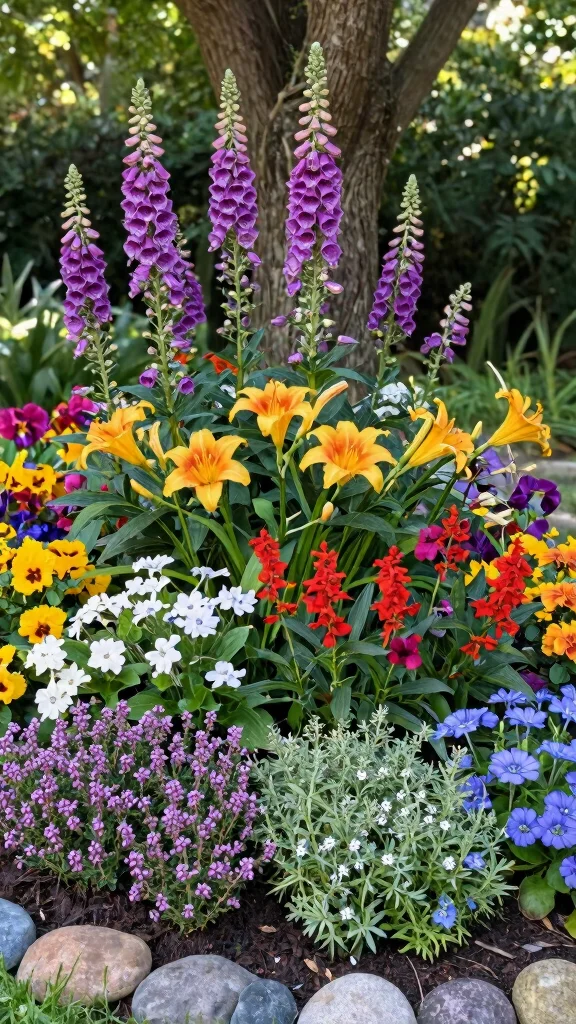
Imagine a colorful display of flowers blooming around your tree, changing with the seasons. Layering perennial flowers creates a vibrant tapestry that catches the eye and adds depth to your garden. Start with tall plants like foxgloves or delphiniums as a backdrop, then add mid-height beauties like daylilies or salvia, and finish with low-growing groundcovers like creeping thyme or ajuga to complete the look.
This arrangement not only maximizes sunlight exposure for each plant but also keeps your garden visually appealing throughout the year. You’ll enjoy a lush and lively atmosphere in your yard all year round.
Key steps to create layered blooms:
– Choose flowers that bloom at different times for continuous color.
– Mix various leaf shapes for a rich textural contrast.
– Regularly deadhead spent flowers to encourage more blooms.
Chasing flower bed around tree ideas? Layering perennial blooms makes your yard feel intentional, not accidental. Start with tall foxgloves and delphiniums, mix in daylilies and salvia, then finish with creeping thyme for a cohesive, ever-charming display.
📹 Related Video: 7 Tall Perennials That Add Layer and Structure to Your Garden | Big Blooms, Bold Structure!
Layered Perennial Blooms
Editor’s Choice

Stella D’oro Yellow Daylilies – 10 Bare Root Perennials Re-Bloomer


20000+Creeping Thyme Seeds for Planting Outdoor-Heirloom Thymus Serpyllu…

HOME GROWN Foxglove Seeds Mix 8000 (0.8g) Excelsior 2026 Spring for Plan…
2. Edible Wonders

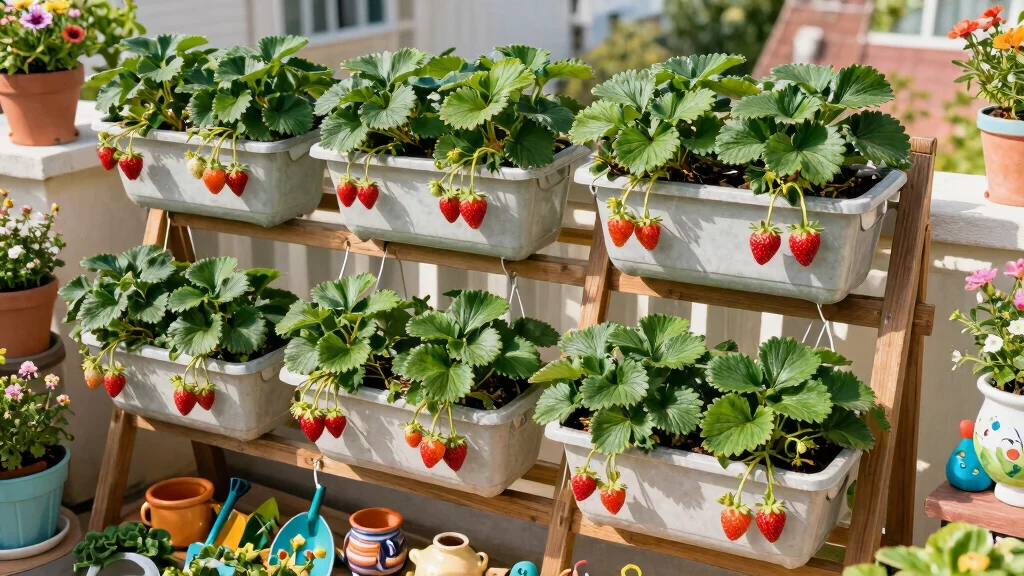
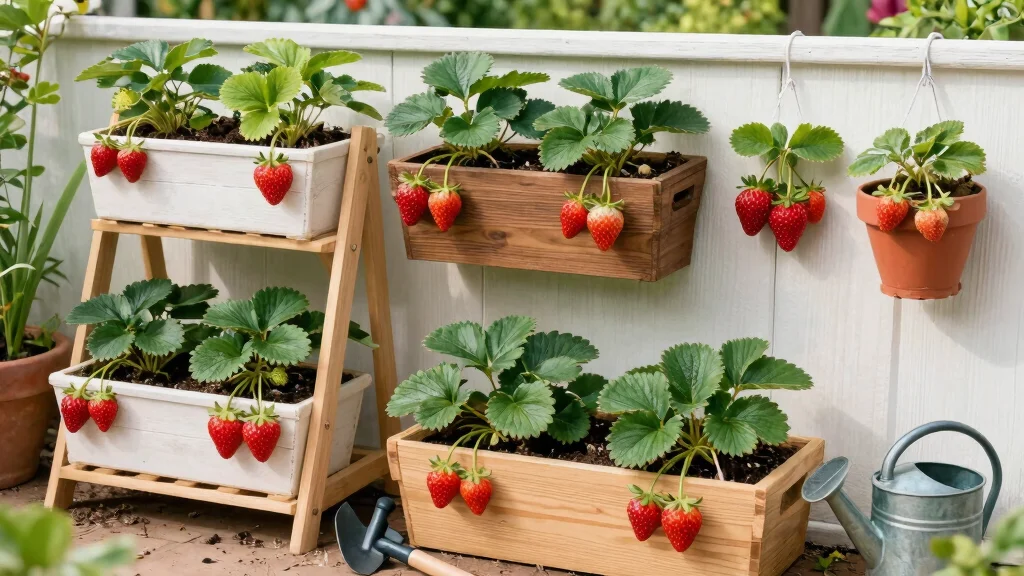
Why not combine beauty and practicality by creating an edible flower bed around your tree? Imagine colorful blooms that are not just pretty but also delicious! Consider planting nasturtiums, which have lovely flowers and are entirely edible, or cascading strawberries that look stunning and provide fresh fruit.
These edible plants not only enhance your garden’s aesthetic but also allow you to harvest fresh ingredients right from your yard. You can enjoy cooking with vibrant flavors and colors right at your fingertips.
Helpful hints for your edible flower bed:
– Use raised beds for easier access, especially if tree roots are shallow.
– Pair edible flowers with herbs like chives and basil for an aromatic garden display.
– Research which parts of the plants are edible to ensure safety.
Edible Wonders
Editor’s Choice

Ozark Beauty Strawberry Plants – Everbearing Strawberry Runners – Sw…

Seed Needs Nasturtium Seeds Jewel Mix Multicolored Edible Flowers | 1.5 …

Miracle-Gro Organic Outdoor Potting Mix – Plant Soil for Outdoor Contain…
3. Ferns and Shadows
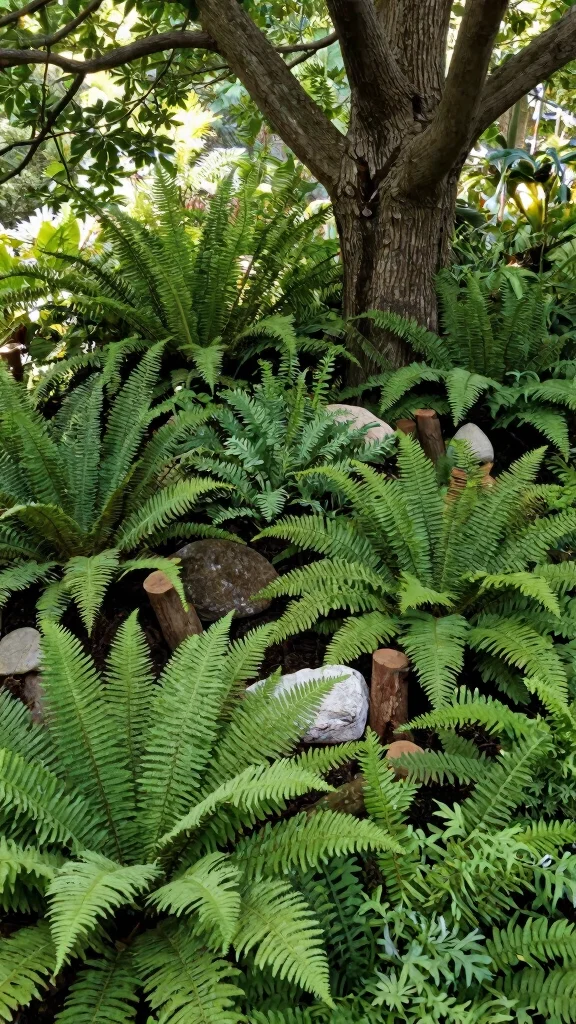
Transform the shaded area beneath your tree into a tranquil oasis by incorporating ferns. These plants offer a soft texture that contrasts beautifully with the rugged bark of the tree, while their various shades of green create a calming palette. Varieties like maidenhair ferns or Japanese painted ferns will add captivating visual interest.
Grouping ferns together can enhance the drama of your design, while their lush foliage provides a serene backdrop. You’ll feel as if you’ve stepped into a peaceful retreat right in your backyard.
Tips for enhancing your fern garden:
– Cluster ferns for a more impactful display.
– Incorporate natural elements like rocks or logs for a woodland feel.
– Add small sculptures or garden decor for a personal touch that complements the greenery.
Ferns and Shadows
Editor’s Choice

Maiden Hair Fern Adiantum Raddianum, Live Plant, 4″ Pot, Green Foliage, …
Greenwood Nursery: Live Perennial Plants – Japanese Painted Fern + Athyr…
4. Colorful Groundcovers
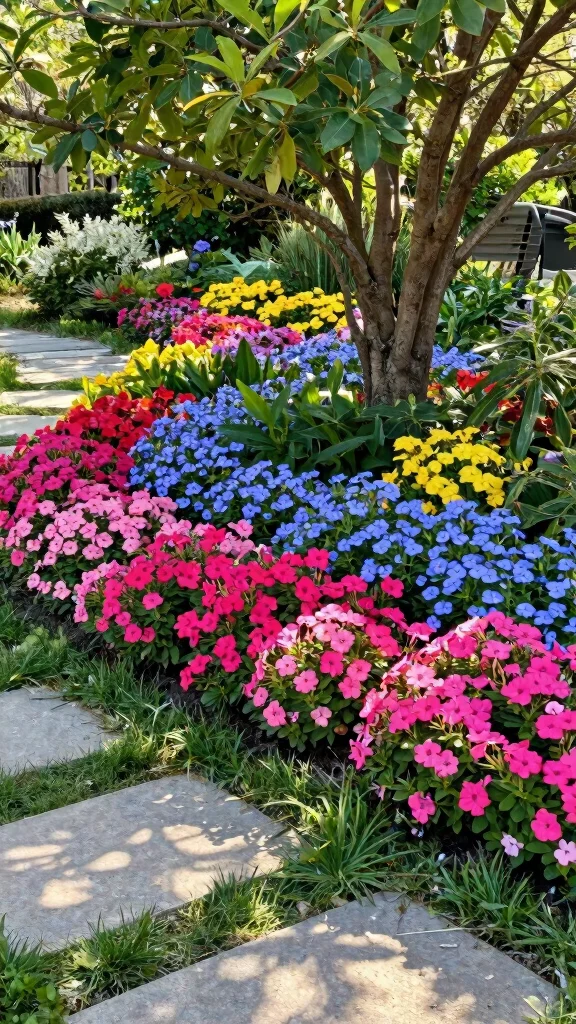
Groundcovers are a fantastic way to add color while protecting your tree’s roots. Opt for vibrant varieties like creeping phlox that bloom in stunning colors, or choose hardy periwinkle for a lush carpet effect. These plants not only beautify your space but also help retain moisture and suppress weeds.
By framing your tree with these lovely groundcovers, you create an inviting atmosphere that enhances your landscape. Your yard will look well-designed and cared for.
Design suggestions for your groundcover:
– Mix different types to create a layered appearance.
– Include stepping stones to provide easy access through your flower bed.
– Select plants suited to your soil and light conditions for optimal growth.
Fun fact: Flower bed around tree ideas with groundcovers like creeping phlox or periwinkle can cut watering needs by up to 30%. They deliver color, moisture retention, and weed suppression in one simple step.
You might also like
Top Varieties for Different Conditions
1. Hellebores (Lenten Rose)
– Best conditions: Ideal for temperate regions with partial to full shade.
– Key features: Hellebores bloom in early spring, bringing color when few other plants do. Their evergreen foliage adds interest year-round.
– Considerations: They prefer well-drained soil and can struggle in overly wet areas. Make sure to check for pests like aphids.
2. Hostas
– Best conditions: Perfect for shady spots in humid climates.
– Key features: Hostas have lush, broad leaves that come in various colors, from deep green to blue and gold. They thrive under trees, competing well for nutrients.
– Considerations: Slugs can be a problem, so consider using slug bait or barriers to protect your hostas.
3. Astilbe
– Best conditions: Works well in moist, shady areas, especially in cooler climates.
– Key features: Astilbe produces fluffy flower spikes in shades of pink, white, and red, adding a pop of color to your flower bed.
– Considerations: These plants need consistent moisture, so ensure the area around the tree retains some water.
4. Ferns (such as Lady Fern or Japanese Painted Fern)
– Best conditions: Great for low-light conditions in shaded areas.
– Key features: Ferns provide a delicate texture and lush greenery, creating a serene atmosphere in your yard. They are low maintenance and tolerate a variety of soil types.
– Considerations: While many ferns are hardy, some may need protection in extremely cold winters.
5. Creeping Thyme
– Best conditions: Ideal for sunny spots and dry areas, especially in coastal regions.
– Key features: This low-growing perennial can handle foot traffic and produces tiny purple flowers that are attractive to pollinators.
– Considerations: Creeping thyme prefers well-drained soil, so avoid heavy clay areas that hold moisture.
6. Bleeding Heart (Dicentra)
– Best conditions: Thrives in cooler, shaded areas and moist soils.
– Key features: The heart-shaped flowers hang gracefully in spring, making it a lovely choice for adding charm to your flower bed.
– Considerations: They go dormant in the summer, so consider pairing them with other perennials for continuous blooms.
7. Japanese Anemone
– Best conditions: Performs well in partial shade and well-drained soil, suitable for temperate climates.
– Key features: Japanese Anemones bloom late in the summer and into fall, providing beautiful white and pink flowers when the garden may need a boost.
– Considerations: These can spread quickly, so be ready to contain them or space them well in your bed.
Climate/Condition Guide:
When selecting plants for a flower bed around trees, consider the climate in your area:
– Temperate: Look for hardy perennials like Hostas and Astilbes that can withstand varied temperatures.
– Continental: Choose plants that tolerate both hot summers and cold winters, such as Bleeding Hearts.
– Coastal: Opt for drought-tolerant plants like Creeping Thyme for sunny areas.
– Hot/Dry: Select heat and drought-resistant options like Japanese Anemones.
– Humid: Go for moisture-loving varieties like Hellebores and Ferns.
Growing Tips:
– Water regularly, especially in the first year, to help your plants establish roots.
– Mulch around your flower bed to retain moisture and suppress weeds.
– Prune dead foliage in early spring to make way for new growth.
Avoid:
– Don’t plant heavy feeders like tomatoes directly under trees, as they may compete for nutrients.
– Avoid using a single variety to fill your bed; diversity helps create a healthier ecosystem.
Colorful Groundcovers
Editor’s Choice

20,000+ Creeping Thyme Seeds Ground Cover, Non-GMO Perennial Flower Seed…

Myrtle Vinca/Periwinkle Hardy Groundcover 50 Plants 2″ Pots
5. A Zen Garden Approach
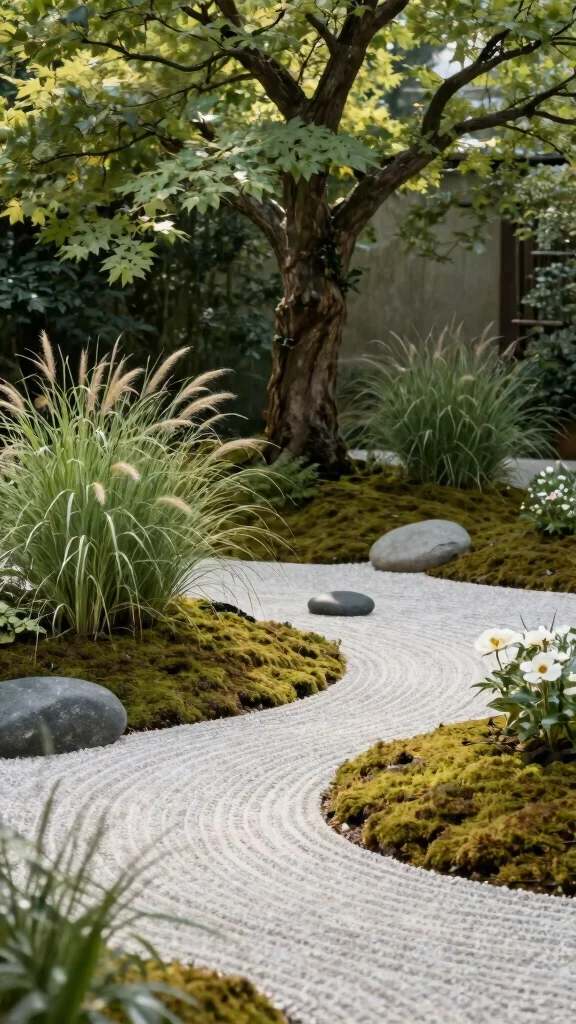
Create a peaceful retreat by designing a Zen garden around your tree. Incorporate ornamental grasses, smooth stones, and patches of moss to establish a serene environment. Adding plants like Japanese anemones or azaleas can introduce bursts of color while maintaining tranquility.
This structured approach fosters relaxation and mindfulness in your outdoor space. You’ll find solace in your garden as it becomes a calming haven.
Ideas for achieving a Zen garden:
– Use raked gravel or sand to create patterns that guide the eye.
– Integrate thoughtfully placed lanterns or a small water feature for added calmness.
– Maintain a muted color palette to ensure a soothing atmosphere.
A Zen Garden Approach
Editor’s Choice
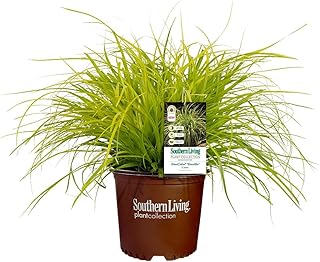
Southern Living 2.6 Qt. Everillo Carex Grass Plant

White Artificial Anemone Flowers 21.6″ Faux Flowers Silk Flowers with St…

FANTIAN 20 lbs Natural River Rocks Mexican Beach Pebbles, 2-3 Inch Decor…
6. Seasonal Blooms

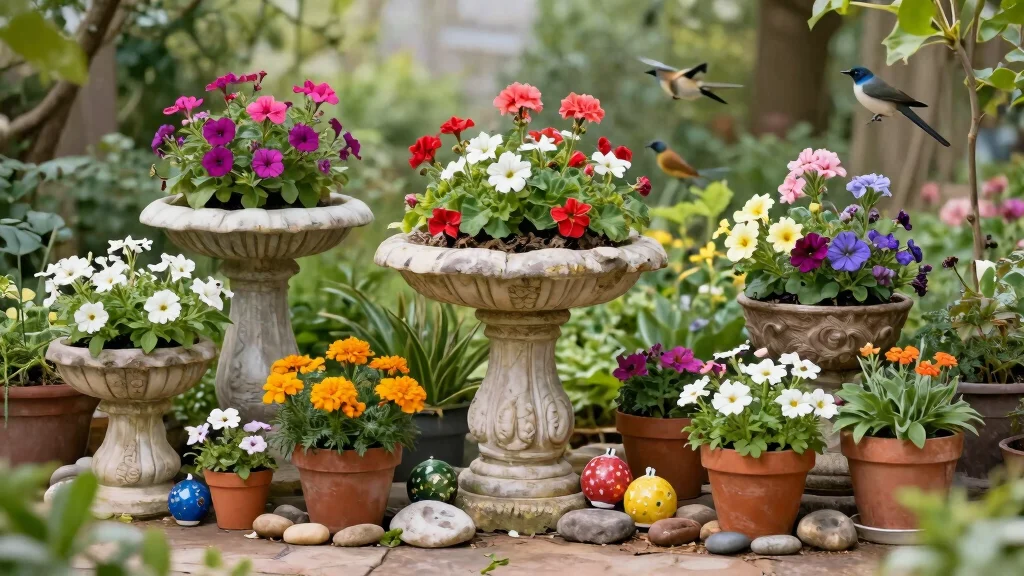
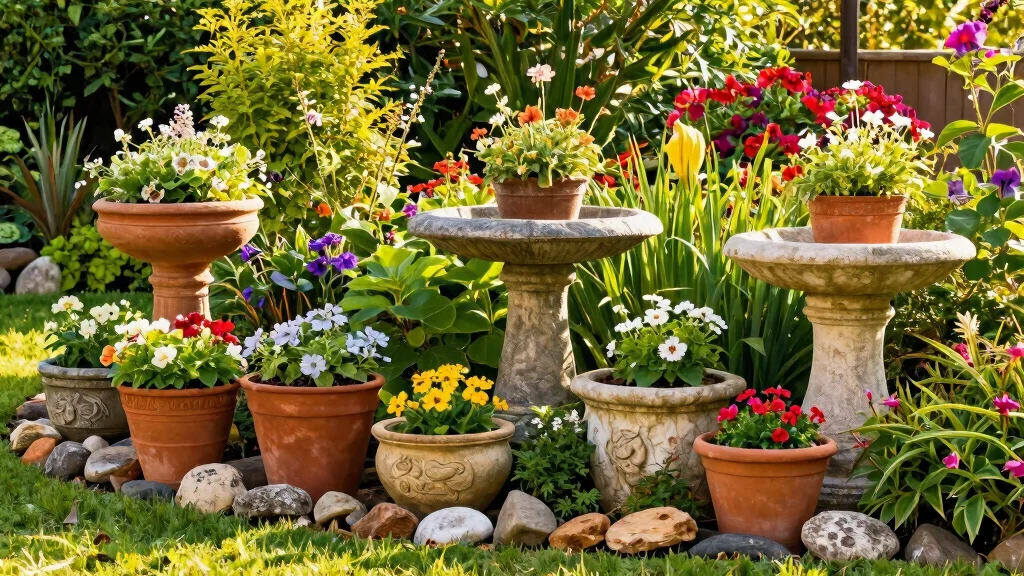
Keep your flower bed lively by rotating seasonal blooms that bring freshness throughout the year. Start with early spring bulbs like daffodils and tulips, transition to summer favorites such as coneflowers and black-eyed Susans, and conclude with stunning fall blooms like asters and chrysanthemums.
This dynamic approach ensures there’s always something new to discover in your garden. You’ll enjoy changing scenery that reflects the beauty of each season.
Tips for creating a seasonal bloom garden:
– Group plants by bloom time for easier planning and care.
– Include evergreen plants for winter interest.
– Label your plants to keep track of what you’ve planted and to enjoy the surprise of new blooms each season.
With flower bed around tree ideas, rotate seasonal blooms to keep shade gardens lively. Plant daffodils and tulips in early spring, coneflowers and black-eyed Susans in summer, and asters and chrysanthemums in fall.
You Might Also Like
Seasonal Blooms
Editor’s Choice

FLORA GUARD Bulb Planter with Depth Markers – Automatic Soil Releasing S…

Farmer’s Secret Fruit & Bloom Booster Fertilizer (8oz) – Super Concent…
7. Whimsical Charm

Inject some fun into your garden by adding a whimsical flower bed around your tree. Picture quirky garden ornaments like fairy houses, bright gnomes, or unique sculptures that add character. Pair these playful elements with vibrant flowers such as zinnias and sunflowers for a cheerful display.
This imaginative approach creates a light-hearted atmosphere that invites joy and creativity. Your garden will become a delightful escape for family and friends.
Tips for crafting a whimsical garden:
– Create a path of stepping stones leading to your playful features.
– Use bold colors and patterns to make everything stand out.
– Involve your family in choosing decor to personalize the garden.
Whimsical Charm
Editor’s Choice

Island Genius Grow Dammit Funny Garden Sign, Unique Outside Gardening De…

200,000+ Wildflower Seeds Bulk (4oz) – 16 Varieties Perennial & Annual…
Conclusion

Creating a flower bed around your tree is a delightful way to enhance your garden’s beauty and showcase your creativity.
From layered blooms to whimsical designs, these ideas can help you craft an outdoor oasis that reflects your personal style.
Take inspiration from these suggestions and start transforming your yard into a breathtaking space you’ll love to spend time in.
Note: We aim to provide accurate product links, but some may occasionally expire or become unavailable. If this happens, please search directly on Amazon for the product or a suitable alternative.
This post contains Amazon affiliate links, meaning we may earn a small commission if you purchase through our links, at no extra cost to you.
Frequently Asked Questions
What are the best perennial plants for a flower bed around a tree in shade?
For shade under a tree, choose perennial plants that tolerate low light and shallow roots. Great options include Hostas, Astilbes, Ferns, Heuchera (coral bells), Pulmonaria (lungwort), Hakonechloa (Japanese forest grass), and Tiarella (foamflower). Plant in a layered ring about 18–24 inches from the trunk, group in odd numbers, and water regularly while the roots establish.
These choices add varied texture and color to boost garden aesthetics without crowding the tree’s roots.
How can I design a flower bed around a tree that looks intentional and cohesive?
Start with a simple plan: pick a color palette, then layer plants by height—low groundcovers near the base, mid-height perennials, and a few taller accents for vertical interest. Create a natural circle or oval edging around the tree, use a uniform mulch or decorative stone, and repeat a couple of colors to tie the bed together for timeless flower bed designs. Avoid crowding the trunk by leaving space for air and root growth, and add a focal point like a single flowering shrub or statue to enhance outdoor decor tips.
Which tree landscaping ideas protect the tree’s health while improving the yard’s look?
Prioritize root protection and proper drainage. Keep a wide, clean mulch ring (2–4 inches, no mulch touching the trunk) to conserve moisture and suppress weeds. Use shallow-rooted groundcovers or small perennials to minimize soil disruption, avoid heavy digging within the drip line, and group plants to reduce soil compaction. A tasteful edging can define the bed while keeping foot traffic away from delicate roots, contributing to both garden aesthetics and tree health.
What maintenance tips keep a flower bed around a tree thriving year-round?
Water deeply and consistently, especially during dry spells. Apply a fresh layer of organic mulch each season, and avoid over-fertilizing near the trunk. Deadhead faded blooms and divide crowded perennials every few years to maintain vigor. In spring, lightly amend soil and check for pests. Finally, monitor soil moisture and adjust irrigation to protect both the tree and the bed’s flower bed designs.
Are there outdoor decor tips to elevate a flower bed around a tree and boost garden aesthetics?
Yes. Consider circular or brick edging to define the bed, then add decorative mulch, stepping stones, or a small seating area nearby to create intentional spaces. Choose pollinator-friendly, shade-loving plants to support wildlife and color throughout the season. Add subtle lighting or hanging baskets in the vicinity to enhance mood after sunset. These simple touches elevate flower bed around tree ideas into a cohesive landscape that feels designed, not random.
Related Topics
flower bed designs
tree landscaping ideas
perennial plants
shade garden
outdoor decor tips
garden aesthetics
easy flower beds
beginner gardening
seasonal blooms
landscape design
planting around trees
backyard makeover