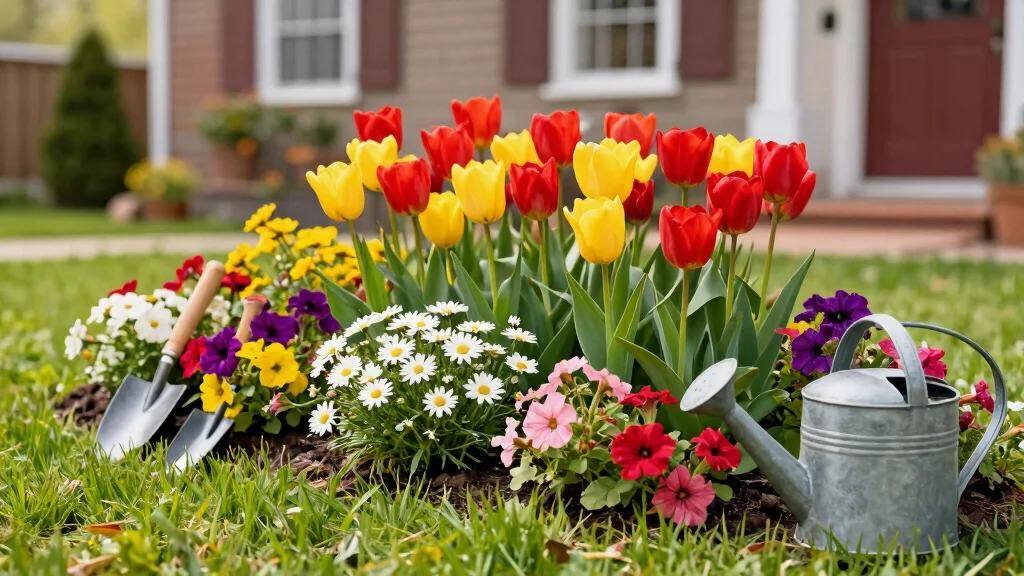
Creating a beautiful front yard can often feel like an overwhelming task, especially when you’re juggling a busy schedule. That’s why I put together this guide on flower bed ideas that not only enhance your home’s charm but also require minimal upkeep. If you’ve been daydreaming about a vibrant, welcoming entrance but dread the thought of constant maintenance, you’re in the right place.
This post is for homeowners who want their front yard to stand out without turning gardening into a second job. Whether you’re a seasoned gardener or a beginner, you’ll find inspiration here to help you create stunning flower beds. With these nine ideas, you can achieve that perfect blend of beauty and practicality that will turn heads and stop traffic.
Get ready to dive into low-maintenance flower bed ideas that will boost your curb appeal. From perennial paradises to whimsical wildflower gardens, you’ll discover ways to showcase colorful flower arrangements that fit your lifestyle. Each suggestion is designed to be manageable and visually striking, allowing you to enjoy a lovely front yard without the stress of constant care.
Key Takeaways
– Perennial Paradise: Choose hardy perennial flowers that return year after year, reducing the need for replanting and ensuring a colorful display each season.
– Drought-Resistant Wonders: Incorporate drought-resistant plants to save water and lower maintenance while still achieving a beautiful flower bed.
– Seasonal Splendor: Embrace a mix of seasonal flowers to keep your garden fresh and lively throughout the year, offering changing hues and textures.
– Edible Elegance: Combine beauty and practicality by choosing edible plants that enhance your flower bed while providing a delicious harvest.
– Textured Layers: Create visual interest by layering plants of different heights and textures, adding depth and complexity to your flower arrangement.
1. Perennial Paradise

If you’re looking for vibrant blooms that come back year after year, perennials are the way to go. They offer a burst of color with minimal upkeep, making them a favorite among busy gardeners. Imagine a garden filled with coneflowers, black-eyed Susans, and daylilies, effortlessly brightening up your home’s entrance.
To create your perennial paradise, start by selecting native varieties that thrive in your area. Group your flowers together to make a stunning visual impact and attract essential pollinators. Adding mulch not only helps retain moisture but also minimizes weeds.
Key tips for planting perennials:
– Choose native varieties: They adapt easily to local conditions.
– Plant in clusters: Creates a more vibrant display.
– Add mulch: Retains moisture and reduces weeds.
With these strategies, you’ll enjoy a colorful, low-maintenance garden that enhances your home’s appeal.
❝ Perennial paradise delivers color that returns year after year with minimal effort. Choose native perennials like coneflowers, black-eyed Susans, and daylilies, then group them near your front door for a bold, low-maintenance flower bed ideas in front of house. Start small, mulch well, and watch it bloom all season. ❞
Top Varieties for Different Conditions
1. Daylilies (Hemerocallis)
– Best conditions: Thrives in temperate climates with well-drained soil.
– Key features: These perennials are known for their vibrant blooms and ability to adapt to various conditions. They bloom profusely and come in a wide range of colors, adding spectacular charm to your front yard.
– Considerations: While daylilies are low-maintenance, they do require some division every few years to prevent overcrowding.
2. Sedum (Stonecrop)
– Best conditions: Ideal for hot, dry climates as they are drought-resistant.
– Key features: Sedums are succulent plants that store water in their leaves. Their unique shapes and colors provide interest year-round, even in winter.
– Considerations: These plants can spread quickly, so some control may be necessary to keep them in check.
3. Black-eyed Susans (Rudbeckia hirta)
– Best conditions: Grows well in humid environments and tolerates poor soil.
– Key features: These flowers are bright yellow with dark centers, drawing in pollinators like bees and butterflies. They bloom from summer to fall, ensuring a long-lasting display.
– Considerations: They can sometimes self-seed, which may lead to unexpected new plants in your garden.
4. Lavender (Lavandula)
– Best conditions: Loves sunny, dry spots, making it perfect for hot/dry climates.
– Key features: Lavender not only offers stunning purple flowers but also a calming fragrance. It’s great for attracting pollinators while deterring pests.
– Considerations: Ensure good drainage, as lavender is prone to root rot in overly wet soils.
5. Hostas
– Best conditions: Thrives in shady areas and cooler climates.
– Key features: Hostas are known for their lush foliage, which comes in various colors, shapes, and sizes. They create a beautiful backdrop for other flowers and provide texture to your flower bed.
– Considerations: Keep in mind that slugs love hostas, so you may need to take steps to keep them away.
6. Coneflowers (Echinacea)
– Best conditions: Perfect for sunny areas and tolerates drought once established.
– Key features: Coneflowers are hardy and come in various colors. They attract butterflies and are excellent for naturalizing your front yard.
– Considerations: These flowers can lean or flop over if they are not given enough sunlight.
7. Ornamental Grasses (e.g., Miscanthus, Pennisetum)
– Best conditions: Versatile and can adapt to various climates, but prefer full sun.
– Key features: Ornamental grasses add height and movement to your flower beds. Their feathery plumes create visual interest throughout the seasons.
– Considerations: Some grasses can become invasive, so consider choosing non-invasive varieties to control growth.
Climate/Condition Guide:
When choosing your flower bed plants, consider your local climate.
– For temperate climates, opt for hardy perennials like daylilies and coneflowers.
– In continental regions, consider hostas and ornamental grasses that can thrive in varied temperatures.
– For coastal conditions, sedums are a great choice due to their ability to withstand salty air.
– In hot/dry settings, lavender and drought-resistant plants like succulents shine.
– In humid areas, black-eyed Susans and other native wildflowers can flourish.
Growing Tips:
– Choose a mix of perennial and annual plants to ensure year-round color.
– Regularly deadhead spent blooms to encourage more flowers and tidy up your flower bed.
– Mulch around your plants to conserve moisture and suppress weeds.
Avoid:
– Don’t plant overly invasive species that can take over your garden, like mint or some types of bamboo.
– Avoid choosing flowering plants that don’t suit your climate zone; always check your hardiness zone for the best results.
Perennial Paradise
Editor’s Choice

200,000+ Wildflower Seeds Bulk (4oz) – 16 Varieties Perennial & Annual…


Garden Tools Set, 3 Pack Heavy Duty Gardening Tools Set Include Garden S…
Back to the Roots 100% Organic Mulch, 58 Quart, Expanding Coconut Husk B…
2. Drought-Resistant Wonders
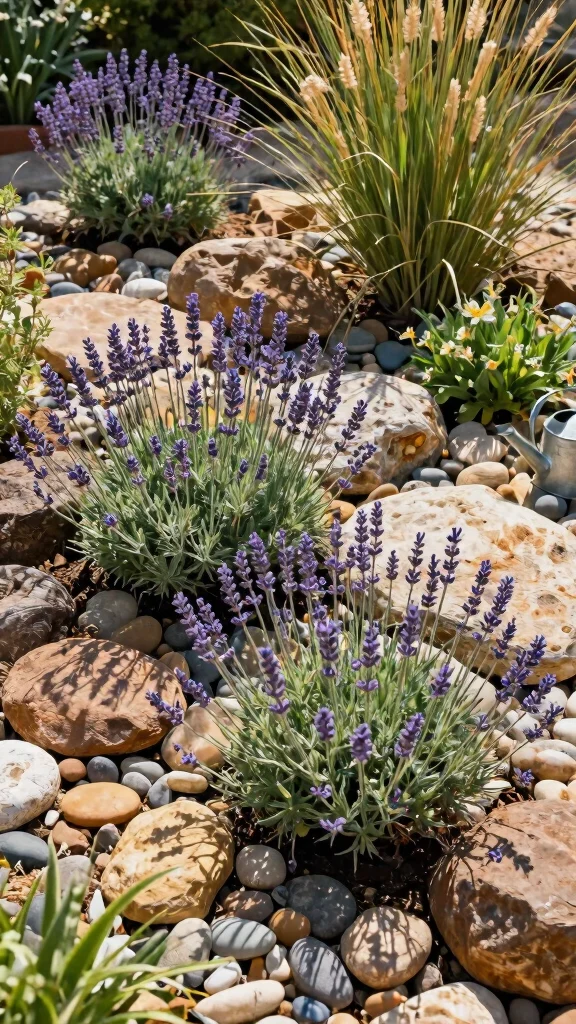
Living in a dry area doesn’t mean your flower beds have to suffer. Drought-resistant flowers like succulents, lavender, and ornamental grasses provide stunning visuals while conserving water. These hardy plants thrive in heat, making them ideal for low-maintenance landscaping.
Consider mixing different textures and colors to create a captivating display. Using a rock garden design can add natural beauty, while grouping plants by their water needs simplifies care.
Helpful tips for drought-resistant gardens:
– Mix textures: Combine spiky and rounded plants for interest.
– Incorporate stones: Create a natural look with rocks and gravel.
– Group by water needs: Simplifies watering and care.
With these plants, your front yard can be both vibrant and resource-efficient.
📹 Related Video: 7 of my favorite sun-loving drought-tolerant perennials
Drought-Resistant Wonders
Editor’s Choice

3 Sets 10in Stepping Stone Kit – Includes Concrete Molds & Letter Number…

Lavender – Bulk 1 Ounce Pouch – 25,000 Flower Seeds for Planting – Lavan…
3. Seasonal Splendor
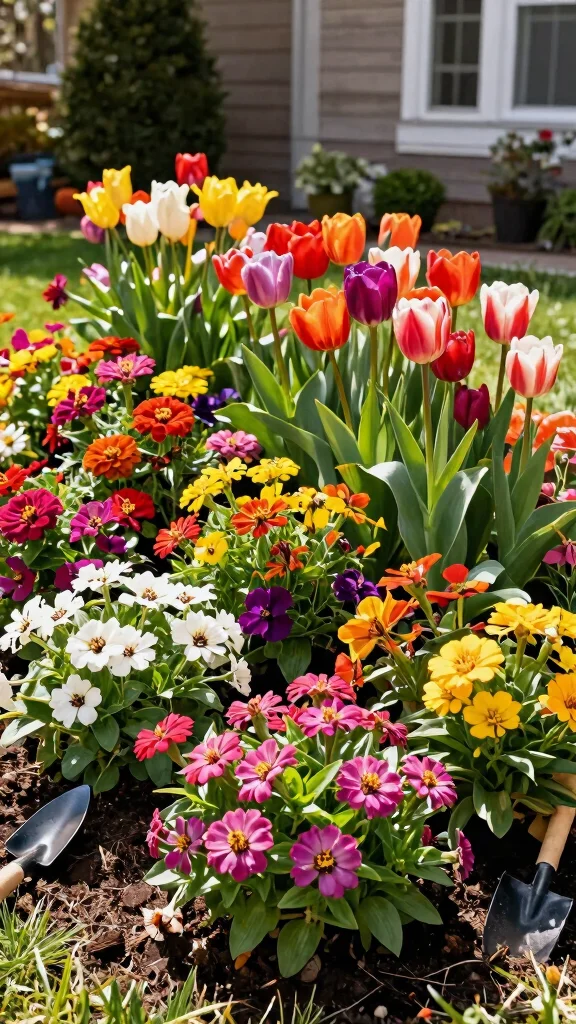
Why settle for just one season of blooms when you can enjoy flowers all year long? By thoughtfully selecting seasonal flowers, you can keep your garden vibrant throughout the year. Start with early spring bulbs like tulips and daffodils, then transition to summer blooms such as zinnias and cosmos.
Planning your flower layout by bloom time ensures a continuous display of color. Fill in gaps with annuals for immediate impact, and keep a journal to track what blooms when.
Tips for a year-round flower display:
– Plan your layout: Arrange flowers for continuous color.
– Use annuals: Fill gaps and add immediate color.
– Keep a garden journal: Track blooms for future planning.
This strategy keeps your garden evolving and a stunning focal point in your neighborhood.
Seasonal Splendor
Editor’s Choice

Perennial Flower Planner: Plan, Track and Care for Your Flower Garden wi…

Osmocote Smart-Release Plant Food, Flower & Vegetable, Plant Food for Ve…

Bulb Planter Tool, Bulb Planter with Depth Markers and Bend Free for Pla…
4. Edible Elegance
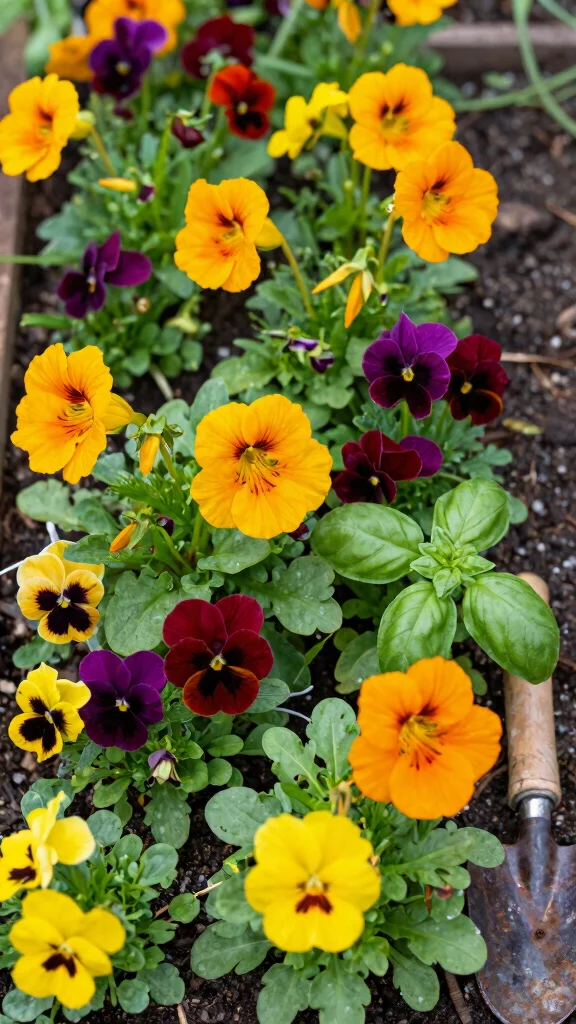
Who says flower beds can’t be practical? By incorporating edible flowers into your landscaping, you can enjoy beauty and functionality. Flowers like nasturtiums, pansies, and marigolds not only look great but can also be added to your meals.
To create an edible flower bed, choose vibrant varieties that catch the eye. Ensure they’re safe to eat, and consider pairing them with herbs like basil and rosemary for added fragrance and flavor.
Steps for planting an edible flower garden:
– Select vibrant varieties: Bright flowers enhance your front yard.
– Ensure edibility: Research before planting.
– Pair with herbs: Combine flowers with fragrant herbs.
This approach not only beautifies your yard but also provides fresh ingredients right at your doorstep.
Edible Elegance
Editor’s Choice

HOME GROWN Non GMO Rosemary Seeds Pack – 150 High Germinating Heirloom H…
HOME GROWN Pansy Swiss Giants Mix – 1,500 Flower Seeds (2.13g) – Fall Pl…

Miracle-Gro Water Soluble All Purpose Plant Food – Fertilizer For All In…
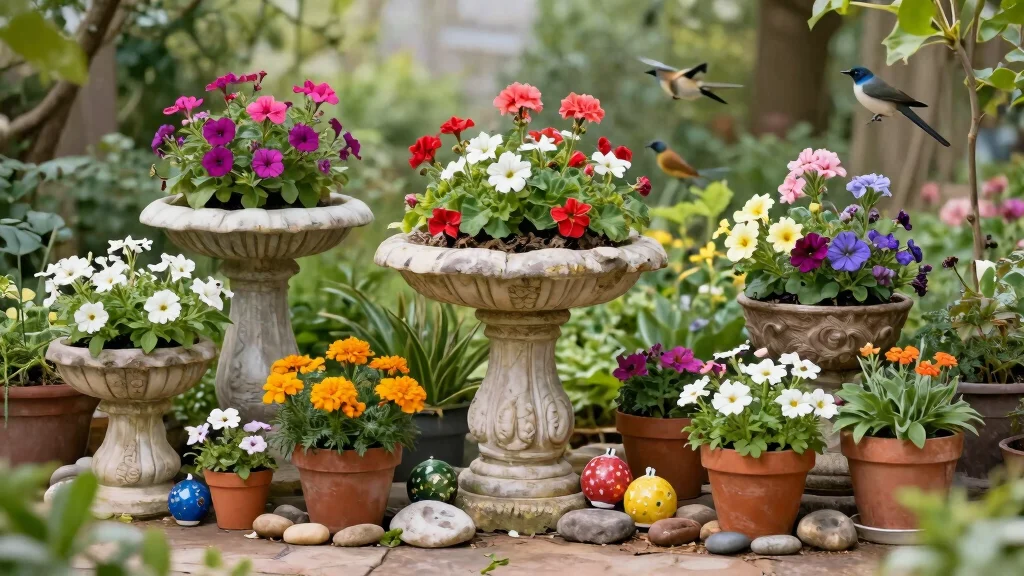
5. Textured Layers
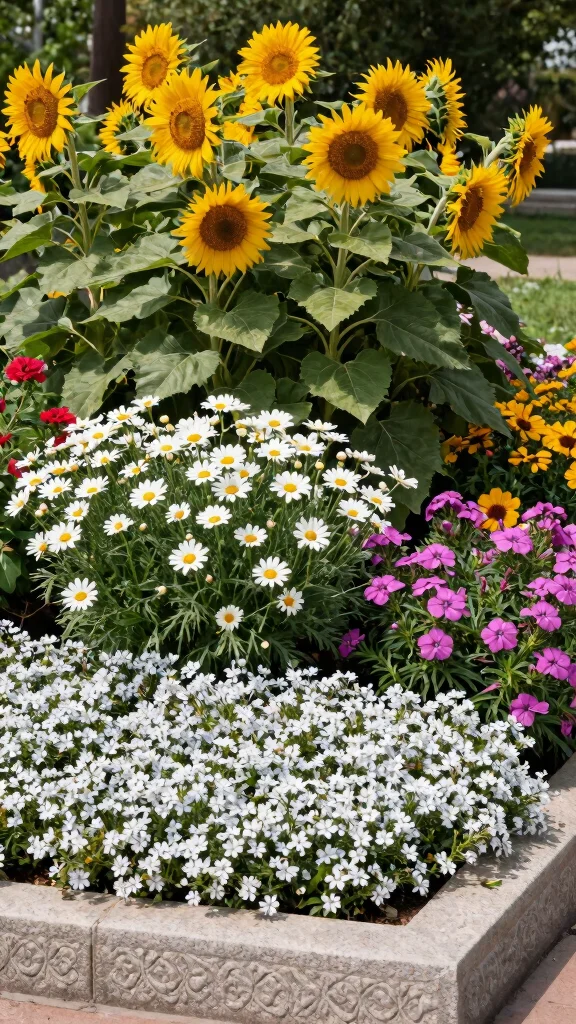
Creating depth and interest in your flower bed can turn your front yard into a captivating landscape. By mixing different plant textures and heights, you can create an eye-catching arrangement. Position tall plants like sunflowers at the back, mid-height daisies in the middle, and low-growing creeping phlox at the front.
Varying plant heights creates a natural cascading effect, while adding interesting foliage enhances texture. Incorporating hardscaping elements like stones can define areas and add structure to your design.
Tips for creating textured layers:
– Vary heights: This adds depth and interest.
– Incorporate foliage: Use plants with unique leaves.
– Add hardscaping: Define areas with stones or borders.
This layered design brings a dynamic look to your garden that’s pleasing from every angle.
Texture is king in flower bed ideas in front of house. Mix tall backplants with mid-height daisies and low creeping phlox to create a natural cascade, then anchor with stones to define edges. This simple layering turns your front yard into a welcoming, low-maintenance focal point.
You might also like
Textured Layers
Editor’s Choice

Spoontiques – Garden Décor – Scatter Kindness Stepping Stone – Decorati…

Garden Tools Set, 3 Pack Heavy Duty Gardening Tools Set Include Garden S…
6. Border Beauties
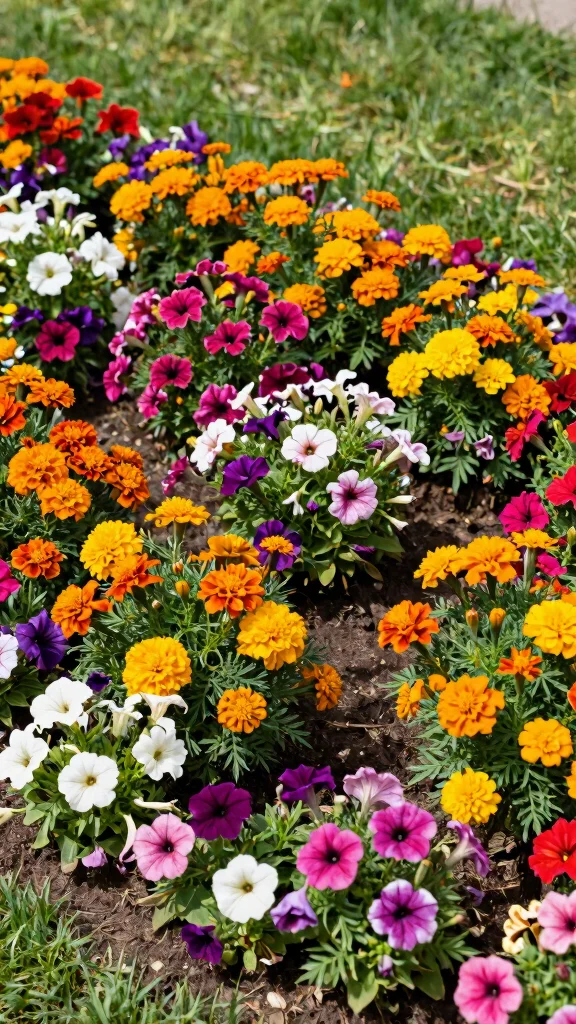
Enhance your garden space with charming border flowers that elevate the overall appearance of your front yard. Opt for marigolds, petunias, or snapdragons to create a colorful edge around your flower bed. This not only organizes your garden but also highlights your main flower features.
To set up beautiful borders, choose vibrant colors that make a striking impression. Mixing heights adds interest, and considering seasonal blooms ensures continuous color around your borders.
Steps to create stunning borders:
– Choose vibrant colors: Bright hues create a bold impact.
– Mix heights: Taller flowers at the back, shorter in front.
– Rotate flowers: Ensure continuous blooms throughout the seasons.
With bordered flower beds, you’ll create a welcoming entrance that requires minimal maintenance.
Did you know border plantings with three height levels can boost curb appeal by up to 70%? Create a color-rich edge with marigolds, petunias, and snapdragons to make your flower bed ideas in front of house pop all season.
Border Beauties
Editor’s Choice
![Landscape Edging 33FT,Garden Edging Borders [Extra Tall 4IN High] Flexib...](https://m.media-amazon.com/images/I/61g6PosFAJL._AC_UL320_.jpg)
Landscape Edging 33FT,Garden Edging Borders [Extra Tall 4IN High] Flexib…

Dr. Earth Flower Girl Bud & Bloom Booster 4-10-7 Fertilizer, 4 lbs, 4 li…
Garden Tools Set, 3 Pack Heavy Duty Gardening Tools Set Include Garden S…
7. Minimalist Magic

Sometimes, less truly is more, especially in flower beds. A minimalist approach can lend a sophisticated touch while being easier to maintain. Choose a few types of flowers in coordinating colors and arrange them in a simple layout. Consider white roses, lavender, and gray-green foliage for a sleek, modern look.
To achieve a minimalist garden, limit your color palette to two or three hues for a cohesive appearance. Use geometric shapes for planting and incorporate hardscaping elements to enhance the design.
Tips for minimalist flower beds:
– Limit colors: Stick to a cohesive palette.
– Use geometric shapes: Plant in clean lines or patterns.
– Incorporate hardscaping: Use stones or gravel for effect.
This style simplifies maintenance and adds elegance to your front yard, making a striking statement.
Minimalist Magic
Editor’s Choice

Sukh 3OZ Dried Lavender Flowers – Lavender Buds Sachets Bags for Drawers…


Modern Geometric Ceramic Succulent Pots 3″ Planters with Drainage | Bamb…
8. Whimsical Wildflower Garden

Create a magical atmosphere by designing a wildflower garden that feels enchanting and carefree. Wildflowers are low-maintenance and thrive in various conditions, attracting beneficial insects. Mixing native flowers like poppies, cornflowers, and clover creates a charming display.
Sow seeds in clusters to mimic natural growth, and include native grasses to enhance the wildflower aesthetic. Allowing some flowers to go to seed fosters a self-sustaining garden.
Steps for a whimsical wildflower garden:
– Sow in clusters: Mimic natural patterns for an organic look.
– Include grasses: Enhance the wildflower effect with native grasses.
– Let flowers seed: Create a self-sustaining garden.
With wildflowers, your front yard will radiate charm and draw admiration, all while requiring minimal upkeep.
You Might Also Like
Whimsical Wildflower Garden
Editor’s Choice

Wildflower Seeds Bulk Mix – 10,000+ Perennial & Annual Seeds – Texas, Ca…

Garden Tools Set, 8 Piece Gardening Tools Set with Non Slip Ergonomic Ha…
9. Artistic Container Gardens

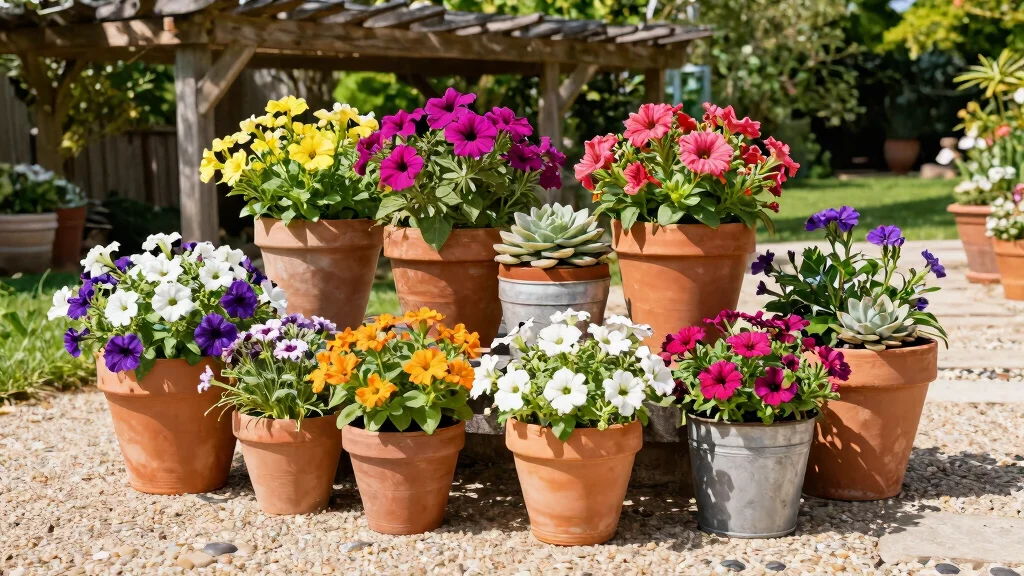
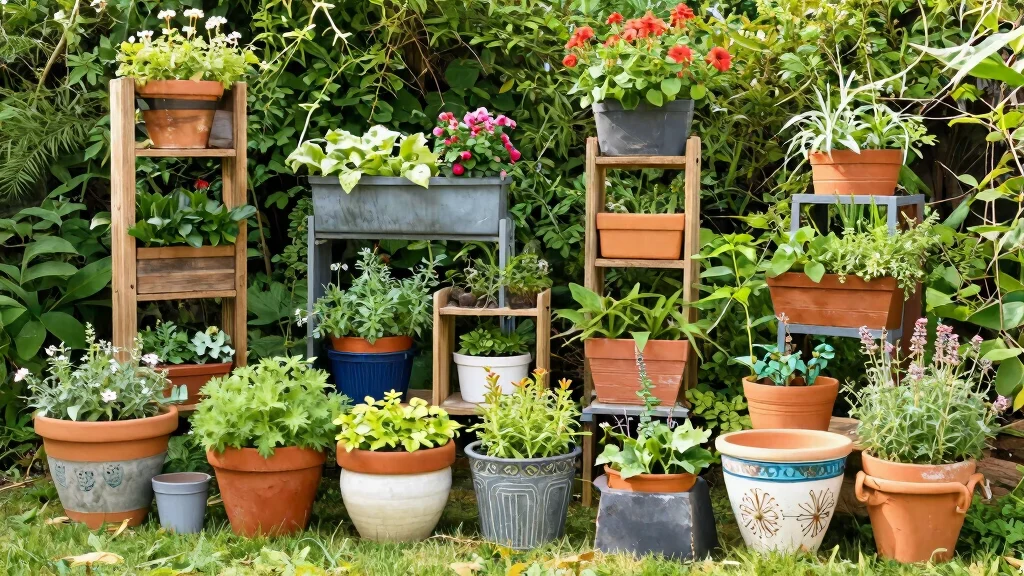
If space is tight or you desire flexibility in your flower beds, consider using containers for your floral displays. Container gardens encourage creativity and can easily be rearranged or refreshed with the seasons. Use colorful pots filled with a mix of flowers like petunias, geraniums, and trailing vines for a dynamic appearance.
To maximize the impact of container gardening, choose pots that complement your home’s style. Mixing heights and textures by combining tall, trailing, and bushy plants adds depth to your display.
Tips for successful container gardening:
– Choose the right pots: Match pots to your home’s aesthetic.
– Mix heights and textures: Create depth with different plant types.
– Rotate with seasons: Change plant selections regularly.
Artistic container gardens can elevate your front yard’s look while ensuring easy maintenance and stunning visual interest.
Artistic Container Gardens
Editor’s Choice

Miracle-Gro Potting Mix – For Container Plants, Flowers, Vegetables, Shr…

Garden Elements Indoor/Outdoor Glazed Brushed Happy Plastic Planter, Lar…
Garden Tools Set, 3 Pack Heavy Duty Gardening Tools Set Include Garden S…
Conclusion
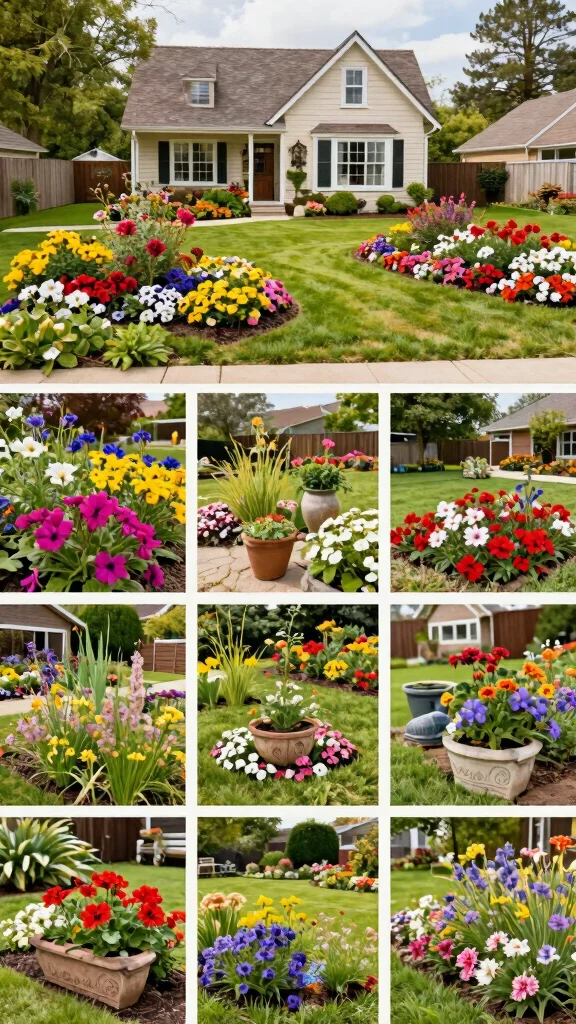
With these nine flower bed ideas, your front yard can transform into a stunning showcase that attracts admiration and compliments.
No matter your style, from minimalistic to whimsical, each idea brings unique charm and low-maintenance beauty.
Embrace the joy of gardening with designs that suit your busy lifestyle while boosting your home’s curb appeal.
Note: We aim to provide accurate product links, but some may occasionally expire or become unavailable. If this happens, please search directly on Amazon for the product or a suitable alternative.
This post contains Amazon affiliate links, meaning we may earn a small commission if you purchase through our links, at no extra cost to you.
Frequently Asked Questions
What are some low-maintenance flower bed ideas in front of house that still make a statement?
Absolutely—these flower bed ideas in front of house focus on easy-care plants and smart design that catch the eye without demanding daily attention.
Start with a durable backbone of evergreen perennials or grasses, then layer in colorful flower arrangements that bloom at different times. Use a wide mulch ring to reduce weeding and conserve moisture, and keep soil healthy with a light annual top-dressing.
For busy homeowners, choose low-maintenance flower beds options like lavender, salvia, daylilies, hostas, and ornamental grasses. Group plants in drifts of three to five for drama and easier maintenance, and keep the edge clean for a polished curb appeal.
Also consider drip irrigation or soaker hoses to minimize watering time. This approach hits curb appeal tips and keeps front yard landscaping practical.
How can I select a seasonal flower selection for flower bed ideas in front of house that stays vibrant through the year?
To keep your front-of-house display vibrant all year, plan a seasonal flower selection that pairs year-round backbone plants with seasonal color bursts. Start with a perennial backbone (evergreen grasses, hostas, or other climate-appropriate staples) and then add seasonal flower selections as accents.
Think spring bulbs, summer bloomers like peonies or salvia, and fall favorites like anemone or chrysanthemums. Use color palettes that blend across seasons and repeat colors to help cohesion for flower bed ideas in front of house.
Keep maintenance minimal by mulching, watering deeply but less often, and using drought-tolerant selections in hot months. A simple rule: choose a 2-3 color palette and plant in drifts for impact.
What front yard landscaping tips help curb appeal without requiring a lot of maintenance?
Curb appeal tips that fit a busy schedule focus on clean structure, durable plant choices, and smart maintenance. Define lines with clear edging, limit plant varieties to a cohesive palette, and rely on low-maintenance flower beds that thrive with minimal care.
Favor natives and drought-tolerant plants like coneflowers and catmint, plus evergreen textures to anchor the bed year-round. Mulch to suppress weeds and retain moisture, and install a simple drip irrigation system to water deeply overnight. Keep seasonal color with a couple of annuals changed each season, so you still get colorful flower arrangements without constant upkeep.
Which low-maintenance flower beds are ideal for busy homeowners who want a striking front of house display?
Try beds built around a strong focal plant with layered textures. Good combos include tall ornamental grasses with purple salvias, yellow daylilies, and silvery foliage of nepeta for a dramatic, low-effort look. These layouts are ideal for low-maintenance flower beds because they rely on drought-tolerant perennials and repeat bloomers. Consider groundcovers to suppress weeds and mulch for moisture. For year-round interest, include an evergreen backbone and plan for spring and summer color bursts. This approach aligns with front yard landscaping and colorful flower arrangements that stop traffic.
How do I design flower bed ideas in front of house to stop traffic while staying within budget?
Designing an eye-catching front bed on a budget is totally doable. Start with a simple template: a main focal plant group, a secondary layer of mid-height perennials, and a ground cover to fill gaps. Reuse plants you already have, transplant healthy specimens, and mulch to freshen the bed without spending much.
Look for seasonal sales on colorful flower arrangements and buy in bulk for bigger drifts. Keep to a small color palette to reduce purchasing and maintenance costs, and install affordable edging to keep lines neat. Layer in drought-tolerant selections for long-term savings and use seasonal flower selection for annual pops of color. This approach aligns with front yard landscaping and low-maintenance flower beds goals.
Related Topics
flower bed ideas
front yard landscaping
low-maintenance gardens
curb appeal tips
colorful arrangements
seasonal flowers
easy gardening
busy homeowners
landscaping trends
DIY flower beds
quick tips
vibrant blooms